21 Easy Watercolor Activities for Kids
Watercolor is one of the most forgiving paints you can hand a child. A few drops of water turn a dry pan into a working palette, and colors blend into each other with almost no effort. Cleanup is lighter than it is with tempera or acrylic, too. Watercolor also teaches color theory just by being used: mix red and yellow on wet paper and a child watches orange appear in real time, no lecture required.
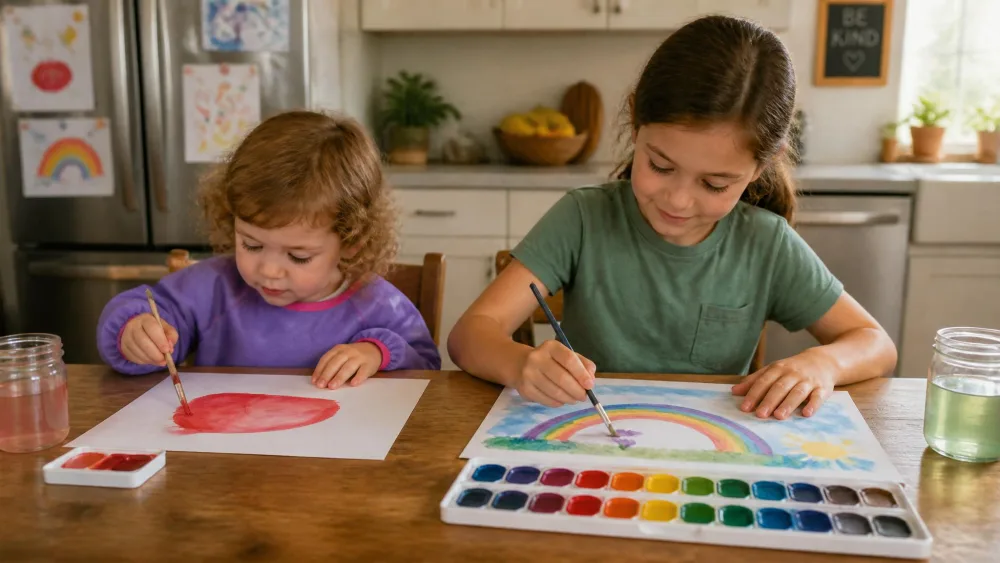
We've worked through dozens of these projects with our five-year-old and eight-year-old at the kitchen table, and the age gap shows up fast. Our five-year-old needs one or two colors before a wash turns muddy and brown; our eight-year-old manages three and remembers to rinse her brush between each one. The 21 activities below are the ones that earned a repeat spot in our rotation.
Painting isn't a once-a-week event in our house, it's part of most days. This list isn't the product of one focused testing sprint, it came together gradually, across plenty of ordinary kitchen-table afternoons, with both kids weighing in on what was worth doing again.
What You'll Need: Quick Watercolor Supply List
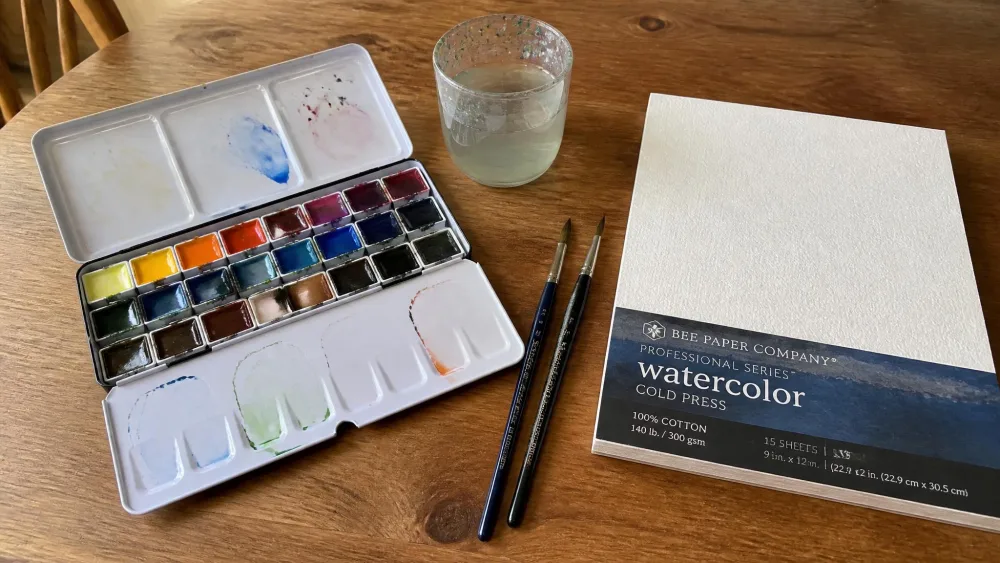
Most of these projects pull from the same small supply box, so gather everything once. Start with a pan or liquid watercolor set and a few round brushes, then add a pad of real watercolor paper instead of regular printer paper. 140 lb (300 gsm) cold-press paper is the standard weight for kids' projects, thick enough to handle a wet wash without buckling.
Round out the box with table salt or Epsom salt for texture, painter's tape for resist projects, crayons or oil pastels (our guide to crayons for toddlers has picks that double well here), and a set of droppers or pipettes. Or make watercolor paint at home with pantry staples.
Crayola states that its Washable Watercolors pack 30% more paint per pan than the next retail competitor, worth knowing if siblings share a set. For brush control before you start, our how to use watercolors: 6 easy techniques guide is a good warm-up, and our art supplies hub has more picks worth browsing.
21 Easy Watercolor Activities for Kids
Here are the techniques and projects we keep coming back to, organized roughly from simplest to most involved.
1. Wet-on-Wet Color Wash
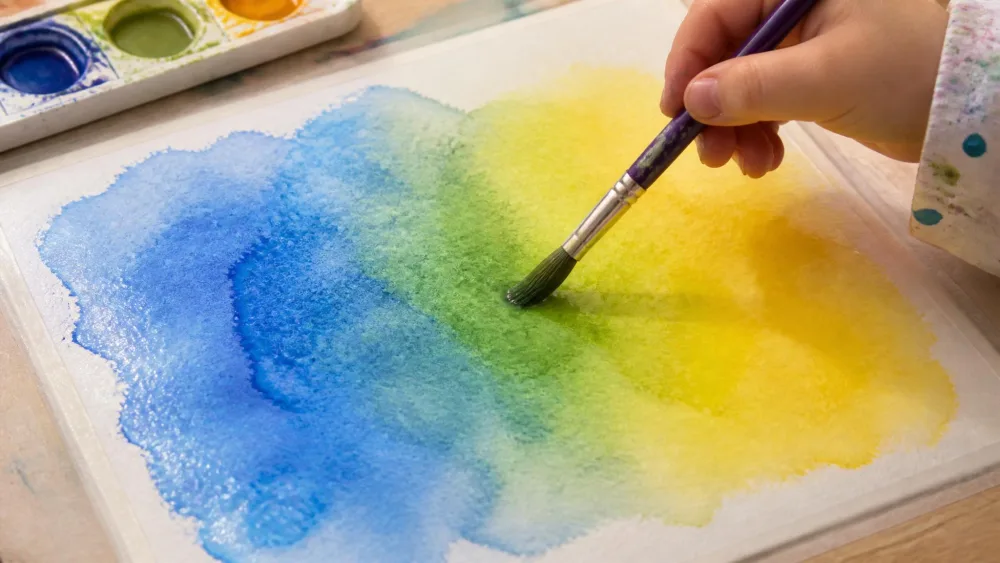
This is the technique every other one on this list builds on. Wet the whole sheet with a clean, damp brush, then drop in one color at a time and watch it spread at the edges. Muddy, brownish washes almost always come down to one habit: not rinsing the brush between colors. Rinse often and keep a wash to two or three colors.
2. Three-Color Wet-on-Wet Painting
Once a child has the basic wash down, build to three colors on purpose: one, then a second once they're comfortable, then a third only once the first two are reliable. Two colors bleeding into a brand-new one, green out of blue and yellow, is the moment that hooks most kids on watercolor for good.
Watching a second color bleed into the first and turn into a brand-new color is the closest thing to magic in our craft drawer.
3. Starry-Night Salt Sky
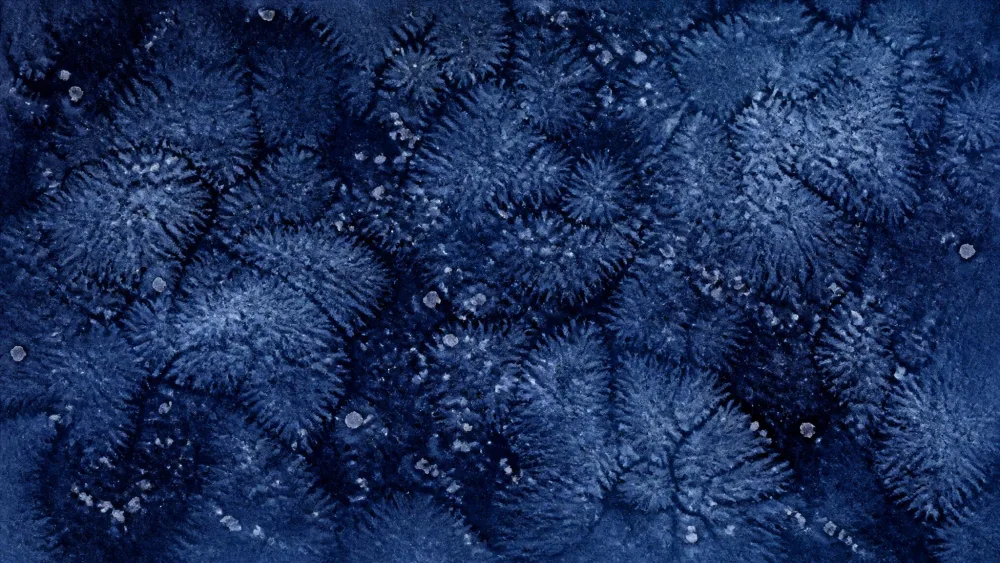
Paint a wash of deep blue and purple, then sprinkle table salt or Epsom salt over it while it's still wet. As the paint dries around each grain, it pulls outward into a mottled, starry texture. Epsom salt makes slightly larger, frostier crystals than table salt, worth trying both if you have them.
4. Crayon Resist Drawing
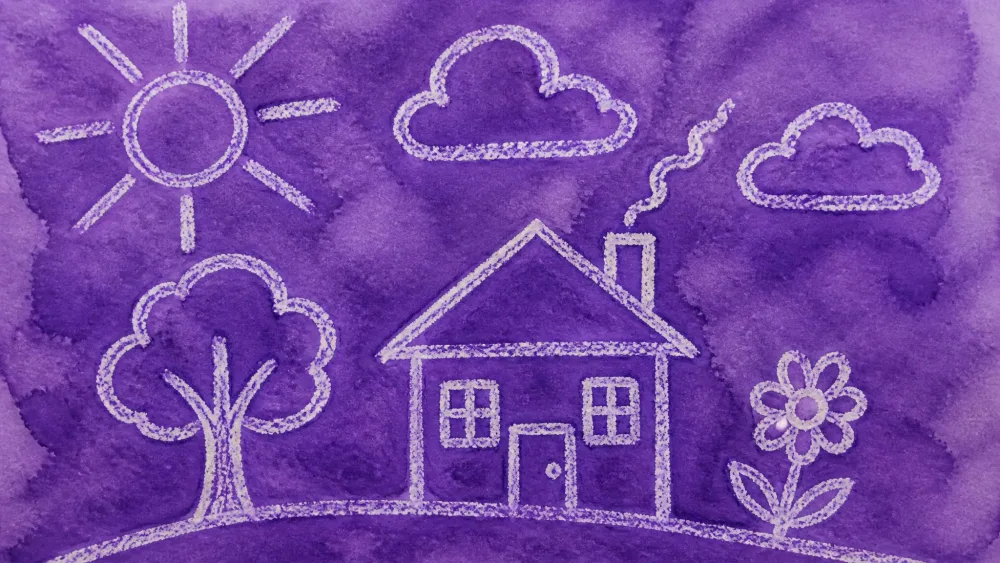
Have a child draw a picture in white or light crayon first, pressing hard, then paint a watercolor wash over the entire page. The wax repels the water-based paint, so the hidden drawing reveals itself as color settles around it. Good for kids who like to plan a picture before they paint.
5. "Catch a Star" Ocean Painting
This one borrows its setup from this How to Catch a Star watercolor activity, inspired by the picture book. Paint a water-only layer over the page, then use droppers to add blue, turquoise, and green for an ocean look. Sprinkle on salt while wet for texture, let dry, then glue on a hand-cut yellow paper star.
6. Cling-Wrap Texture Painting
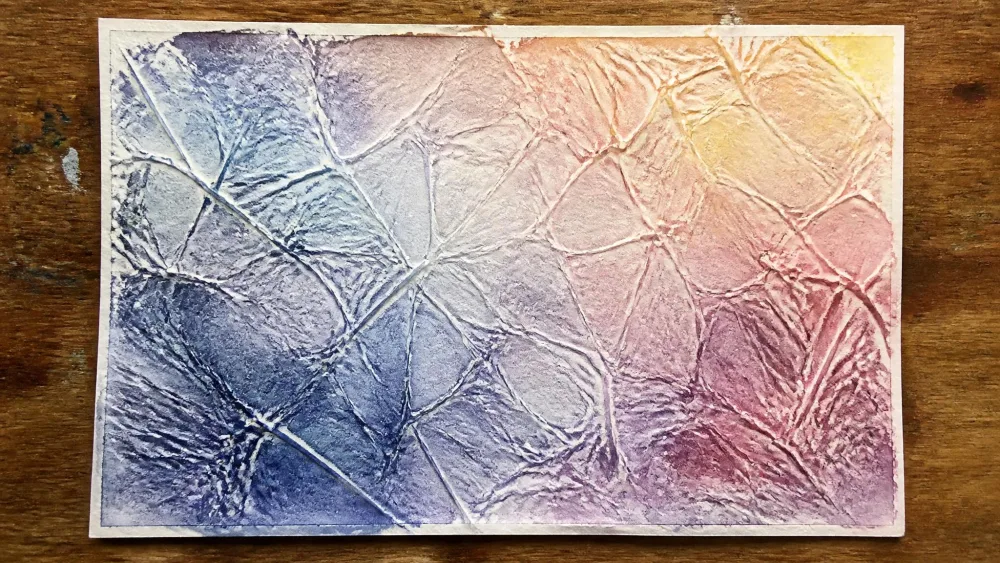
Paint a wash of color, then press plastic cling wrap over it, scrunching slightly for texture. Leave the wrap in place and let the painting dry overnight, not just a few minutes. A light wash dries in five to fifteen minutes, but this one needs the longer wait or you'll lose the crackled pattern.
7. Tape-Resist Geometric Art
Lay strips of painter's tape across the paper in a pattern, stars, stripes, or a simple grid, before painting over the whole sheet. Once fully dry, peel the tape away to reveal clean white lines underneath. Satisfying for kids who like the reveal more than the painting itself.
8. Straw-Blown Splatter Art
Load a brush with thin, runny liquid watercolor, then flick it at the page or blow it through a straw for an abstract, speckled effect. Works especially well for space or galaxy pieces over a dark background. Lay down newspaper first, since this is one of the messier techniques here.
9. Toy-Catapult Splatter Painting
If you have a small toy catapult or launcher around, load it with liquid watercolor and let a child launch it at paper taped to an easel or a wall outside. Louder and looser than brush splatter, it turns painting into something closer to a game.
10. Coffee-Filter Flowers
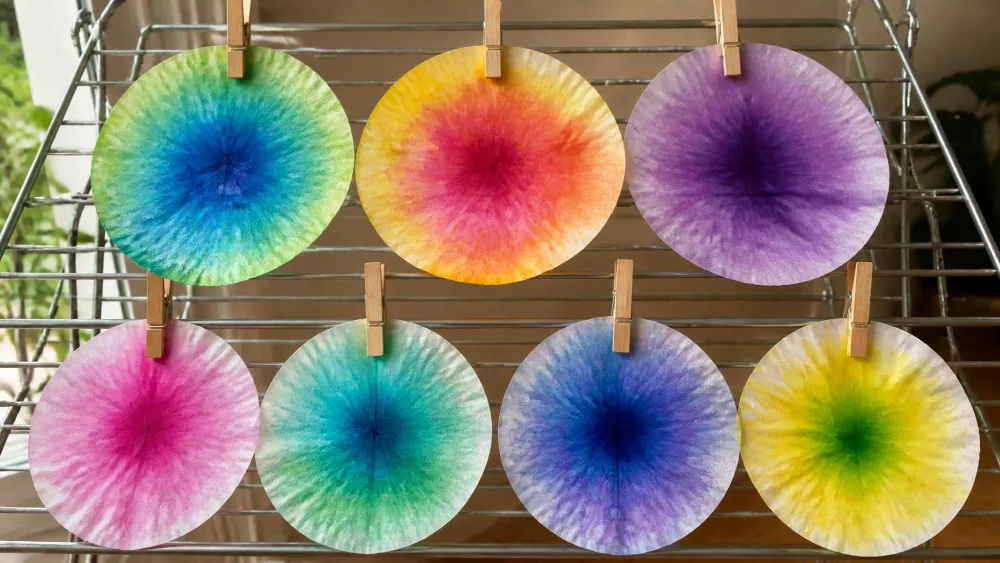
Lay flat coffee filters on a plate and color them with liquid watercolor using droppers or a brush; the color blooms and blends outward on its own. Once dry, scrunch the center and twist a pipe cleaner around it to turn the filter into a flower.
11. Black-Glue Stained-Glass Painting
Tint white glue with a little black paint, or use a black fine-tip glue pen, to draw a simple outline, then let it dry overnight. The next day, fill in each section with watercolor. The dried glue lines act like the lead in stained glass, keeping colors from bleeding together.
12. Kandinsky Concentric Circles
Draw a grid of squares, then fill each one with rings of color radiating from the center, loosely inspired by Kandinsky's concentric-circle paintings. Draw the rings in oil pastel or crayon first for a resist layer, if you want one. An easy way to introduce a famous artist without a lecture.
13. Cotton-Swab Pointillism Dots
Dip cotton swabs into different colors and dot them across the page instead of using a brush. Gentler for younger hands, it naturally produces a pointillist, speckled look with no drawing skill required. Try it over a simple outline, a tree, a flower, an animal, filled in entirely with dots.
14. Folded Butterfly Symmetry Prints
Fold a sheet of paper in half and open it back up. Paint half of a butterfly, or any symmetrical shape, on one side only while still wet, then fold and press. Open it back up to reveal a mirrored print on both sides.
15. Paper-Plate Layered Flowers
Paint rings of color on a paper plate, working from the center outward, to make a layered flower shape. The slightly absorbent plate gives the paint a different texture than paper, and holds up well once dry.
16. Frozen Ice-Chunk Painting
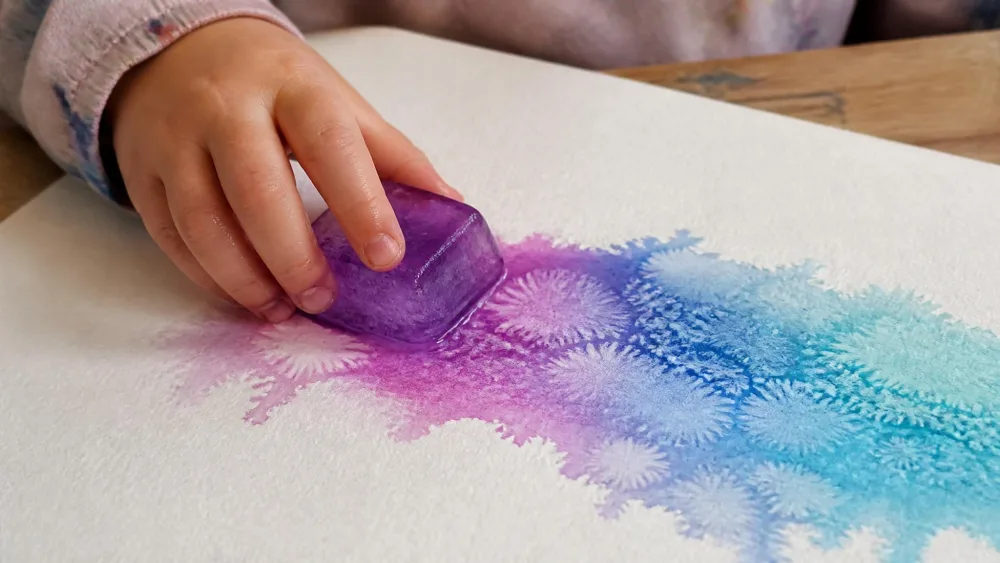
Freeze a few ice cubes with a drop of liquid watercolor mixed in, then let a child slide the colored ice across watercolor paper as it melts. There's no real way to do this one wrong, a good pick for younger kids who get frustrated chasing a specific result.
17. Leaf and Nature Print Painting
Collect a few leaves on a walk, paint one side of each, and press it paint-side-down onto paper to leave a printed impression of the veins. You can also lay dry leaves on the page and paint around them, then lift them off for a clean silhouette.
18. Bubble-Blown Print Art
Mix liquid watercolor with a little dish soap and water, then blow bubbles into the mixture with a straw until they rise above the rim. Press paper gently onto the bubbles to capture a ring of overlapping prints in different colors.
19. Sponge-Painted Texture Art
Cut a kitchen sponge into simple shapes, clouds, trees, or circles, dip it in watercolor, and dab it onto paper. The sponge holds more texture than a brush, good for backgrounds: a forest of dabbed trees or a sky full of clouds.
20. Birch-Tree Silhouette Painting
Use a black marker or crayon to draw bare tree trunks and branches across the bottom of the page, then paint a wash, sunset orange, dusk purple, or winter blue, over the rest. The dark outlines stand out against the soft, blended background.
21. Rainbow Dropper Painting
Pre-wet the whole page, then hand a child a tray of liquid watercolors and droppers and let them drop color across the wet paper in any order. The colors spread and merge on their own, so there's genuinely no wrong way to do this one.
Watercolor Techniques You'll See in This List
A handful of techniques repeat throughout this list:
- Wet-on-wet: paint dropped onto pre-wetted paper for soft, blended edges.
- Salt texture: table or Epsom salt sprinkled onto wet paint, pulling color outward into a mottled, crystalline texture as it dries.
- Resist: a wax crayon, oil pastel, or dried glue line drawn first; watercolor can't soak through it, so the drawing shows through the wash.
- Splatter: paint flicked, blown, or launched at the paper for an abstract, speckled effect.
- Tape resist: painter's tape laid down before painting, peeled off once dry to reveal clean white shapes.
For brush control before these, our watercolor brush-control basics guide walks through the fundamentals, and our easy watercolor techniques to try roundup covers eight more.
Parent tipMuddy, brownish paintings almost always trace back to an unrinsed brush. Keep a water cup nearby and rinse between colors, especially during wet-on-wet work.
Mixing red and yellow into orange, or blue and yellow into green, on wet paper is a hands-on way to show how primary colors blend into secondary colors without a worksheet.
Watercolor Activities by Age: Toddlers, Preschoolers & Older Kids
Store-bought watercolor sets are usually labeled 3 and up, with some bumping to 4 or 5. Crayola's own product page hedges too, listing 3+ in the item details but ages 5 and up in the safety section, so treat any printed minimum age as a range, not a hard cutoff.
For toddlers under two, pre-wet the paint pan ahead of time and hand over one large color cake instead of a full tray; it makes the connection between brush and paper easier to grasp. Taping down the paper's edges also keeps a toddler's brushwork on the page instead of the table.
Preschoolers tend to stay engaged longest with process-first activities like the ice-chunk painting above, where there's no "right" result to chase. Older, school-age kids are ready for more controlled techniques: multi-color wet-on-wet, resist drawing, tape patterns, and they can handle messier outdoor options too. Squirt-gun watercolor painting is real fun but runs noticeably messier than brush work, so we move that one outside.
More Watercolor & Art Activities for Kids
If this list has your kids asking for more, we've got other watercolor and art roundups on the site. Try our 20 easy watercolor painting ideas for a different set of projects, our 25 easy watercolor ideas for kids for even more variety, or our watercolor projects for all ages roundup, sorted by skill level.