25 Easy Watercolor Ideas for Kids
Watercolor is one of the calmest, least-stressful ways to get kids creating at the kitchen table. The paints are forgiving, the supplies are cheap, and the cleanup is fast. In our house it's the paint we reach for most on a slow afternoon, because a spill wipes up in seconds instead of soaking into the floor.
The 25 ideas below are sorted by age and grouped by technique, so you can match a project to your child and the supplies you own. Most take about five minutes to set up and reward experimenting over getting it perfect.
Why Kids Love Watercolor Painting
It's true process art: kids control the water, the color, and the happy accidents, and there's no wrong way to do it. That makes it a low-pressure outlet for self-expression, and the mess stays more contained than tempera or acrylic, so the table clears quickly. When a painting doesn't match the picture in a child's head, reminding them to enjoy the process takes the pressure right off.
NoteThe first afternoon we painted, the page turned muddy brown within minutes because both kids rinsed every color in one cup. Switching to two cups, one to wash and one to keep clean, fixed it instantly and has saved more paintings than any supply we own.
Watercolor Supplies You'll Need
You don't need much to start, and most of it probably lives in a drawer already.
Must-Have Basics
A pan or cake set is the friendliest place to begin: cheapest, longest-lasting, and lowest-mess. Crayola Washable Watercolors are the ones we use most, and Faber-Castell Connector paint boxes come in 12 and 24-color sets. Add round brushes, water cups, and paper towels. Paper matters most: 140 lb (about 300 gsm) cold-press is the safe default, since plain printer paper soaks through and tears almost on contact.
Nice-to-Have Extras
A few cheap add-ons open up dozens of projects: liquid watercolors, table salt, painter's tape, white crayons or oil pastels, eyedroppers, and a torn sponge. You can also make your own watercolor paint from baking soda, vinegar, cornstarch, and food coloring.
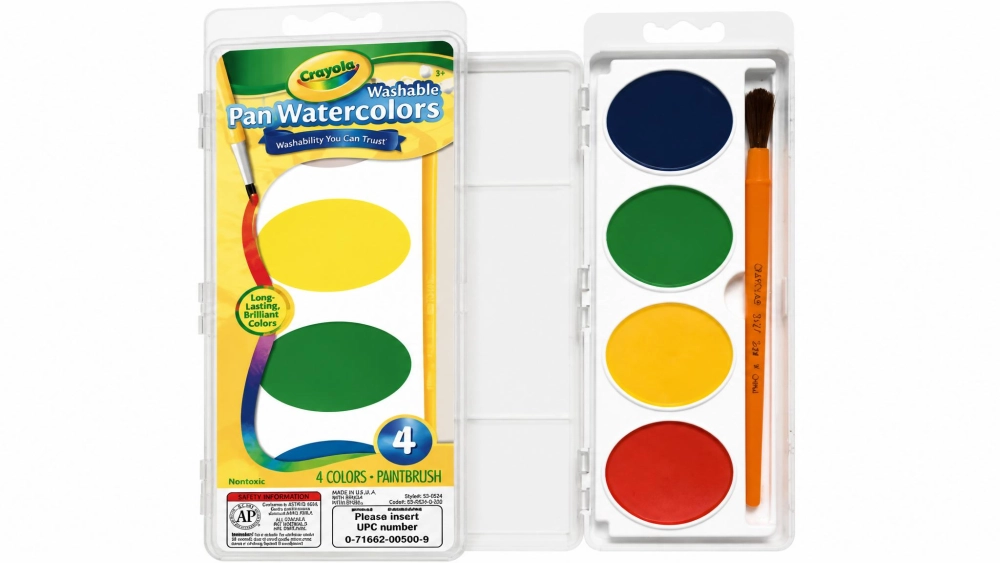
Watch outLook for the ACMI AP non-toxic seal and an ASTM D-4236 label, the standard for kids' art materials. If your little one still mouths everything, hold off on open palettes and start with taste-safe painting instead.
Easy Watercolor Techniques to Try First
A handful of simple moves carry almost every idea here. For a fuller walkthrough, see our guide to 6 easy watercolor techniques for kids.
Wet-on-Wet
Brush clean water across the paper first, then drop in color and watch it bloom and blur. It's the soft-edged look behind sunsets and galaxies.
Watercolor Resist (Crayon, Glue, Tape)
Anything waxy or sticky pushes paint away. Draw with white crayon, lay down tape, or pipe glue, then wash color over the top. The hidden lines appear like magic.
Salt and Splatter Effects
Sprinkle table salt onto a still-wet wash and it blooms into a speckled, starry texture. Tap a loaded brush to splatter dots, or try outdoor nature spray art for bigger bursts.
Parent tipTape all four edges of your paper to a board so it dries flat, and use heavier 140 lb paper, which barely buckles to begin with. If a painting still wrinkles, mist the back and press it under heavy books overnight.
Easy Watercolor Ideas for Preschoolers (Ages 3-5)
Little hands do best with big shapes and forgiving tools. Cutting a sheet into roughly 4 by 5-inch pieces makes the blank page feel inviting, and preschoolers form fierce opinions about their colors and ask to paint again right away.
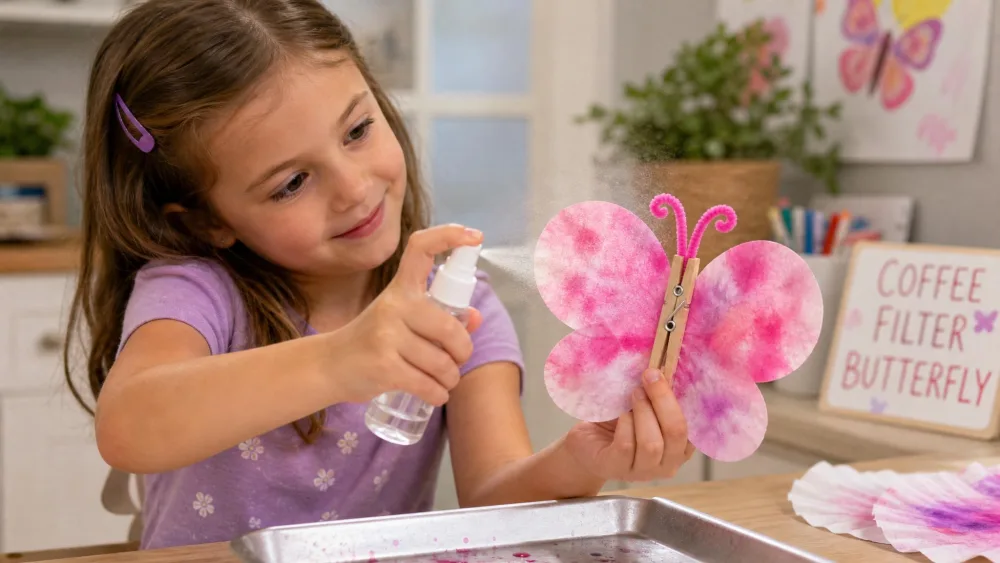
Coffee Filter Butterflies
Color a coffee filter, spritz it, and watch the colors run; pinch the middle with a clothespin for wings.
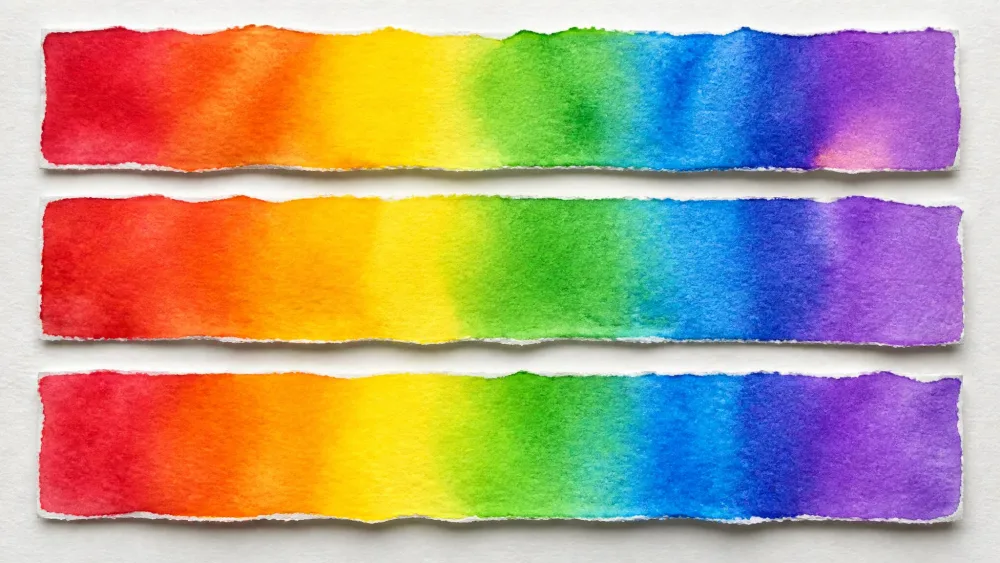
Rainbow Wash Bookmarks
Brush bands of color across paper strips and let the edges bleed into easy gift bookmarks.
Blow-Painting Trees
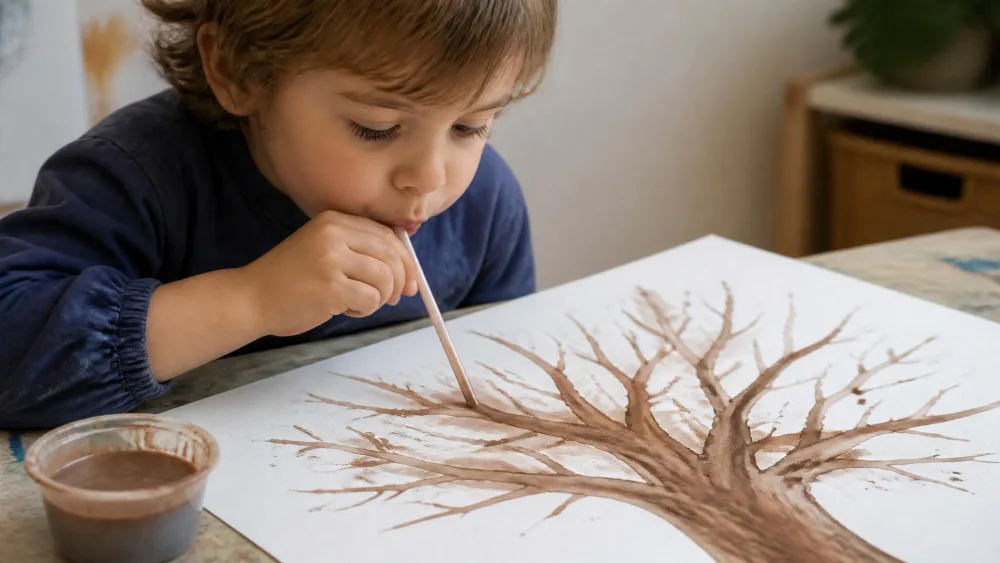
Drop watery brown paint near the bottom and blow through a straw to push it into spindly branches.
Cotton-Swab Dot Flowers
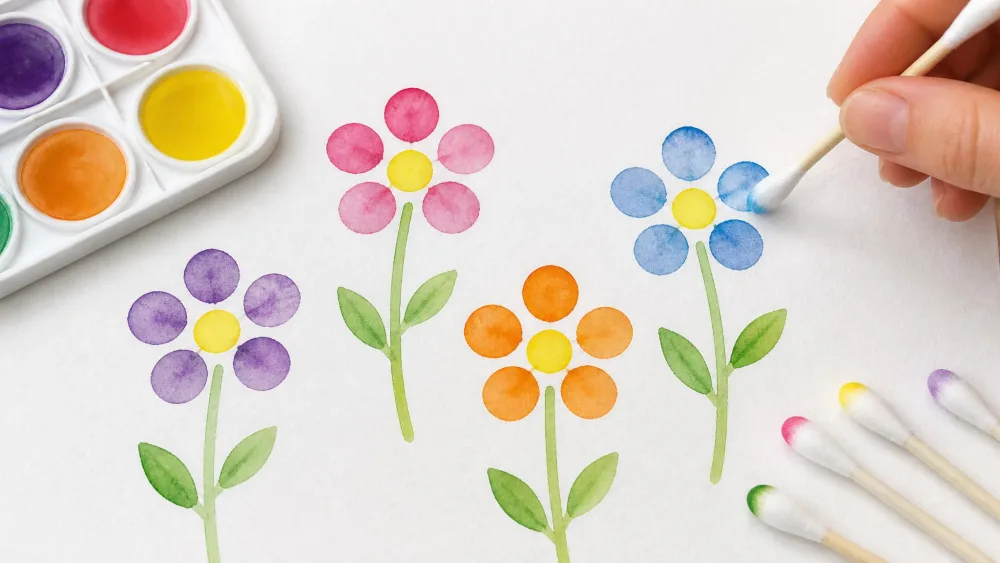
Dab clusters of colored dots with cotton swabs into simple flowers, with no brush to rinse.
Bubble-Wrap Print Garden
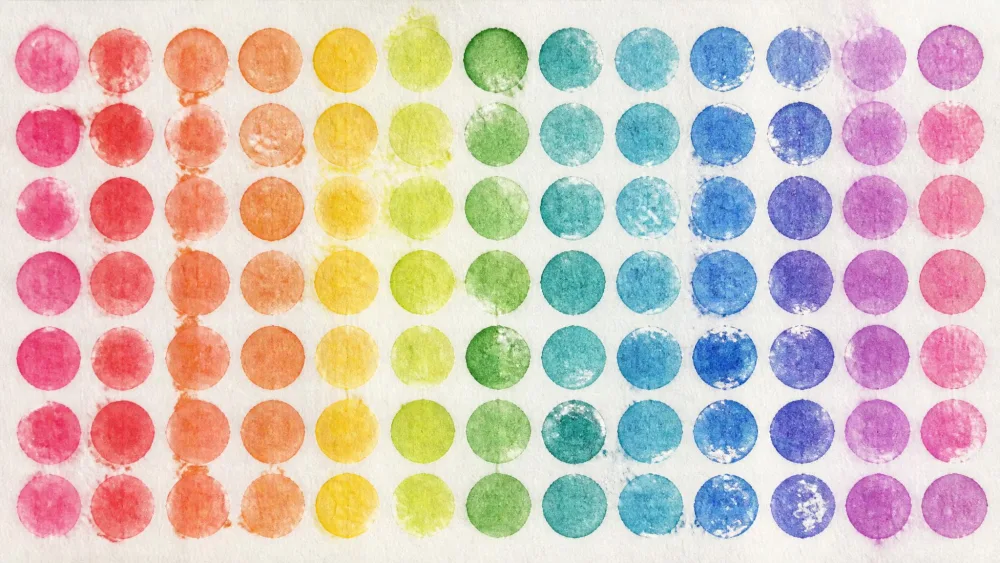
Brush paint onto bubble wrap, press, and lift to reveal a field of round prints; add stems with a brush.
Sponge-Dab Hot Air Balloons
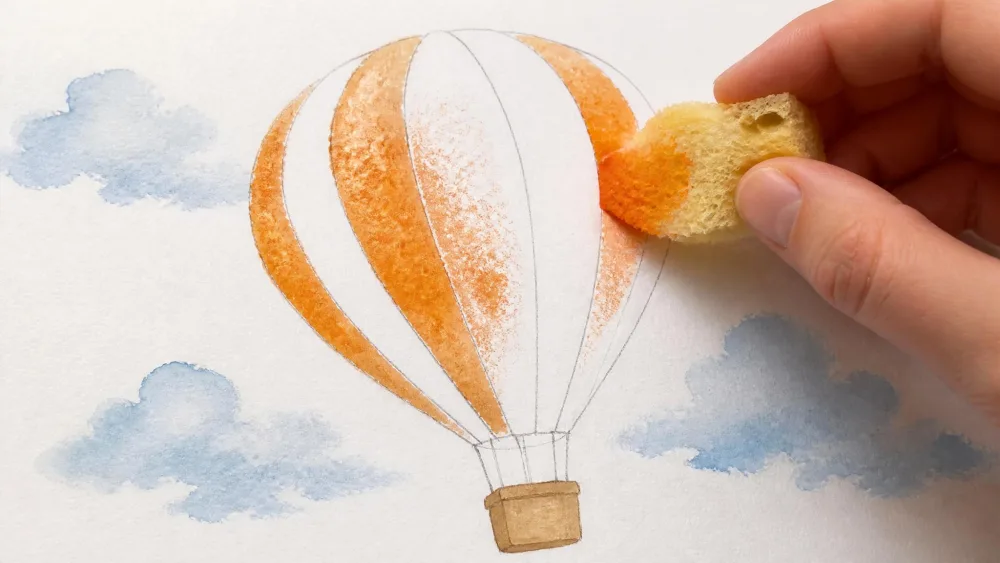
Dab overlapping colors with a torn sponge into a soft, forgiving balloon shape.
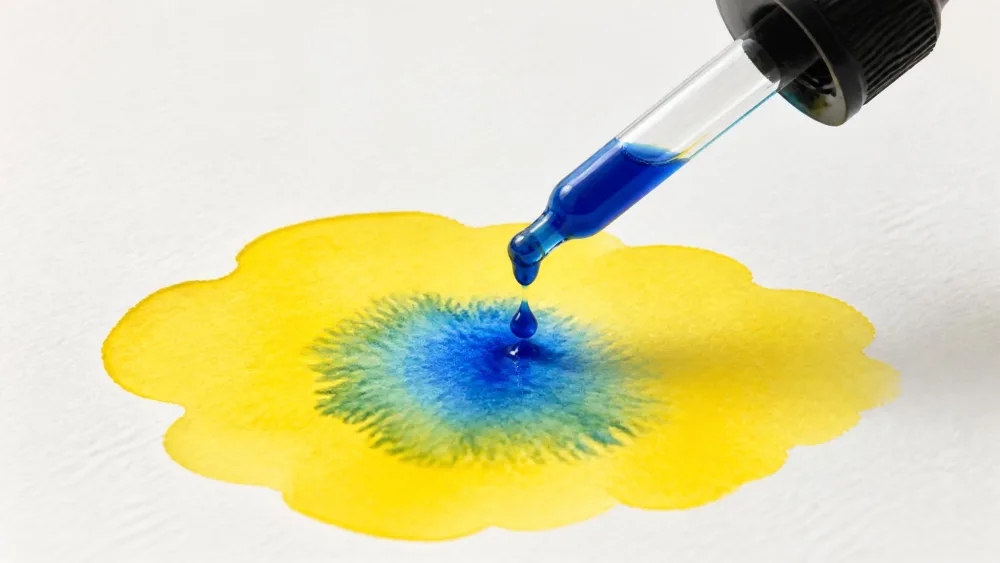
Eyedropper Color Mixing
Let kids drip liquid color from an eyedropper and watch the puddles meet; pure process art.
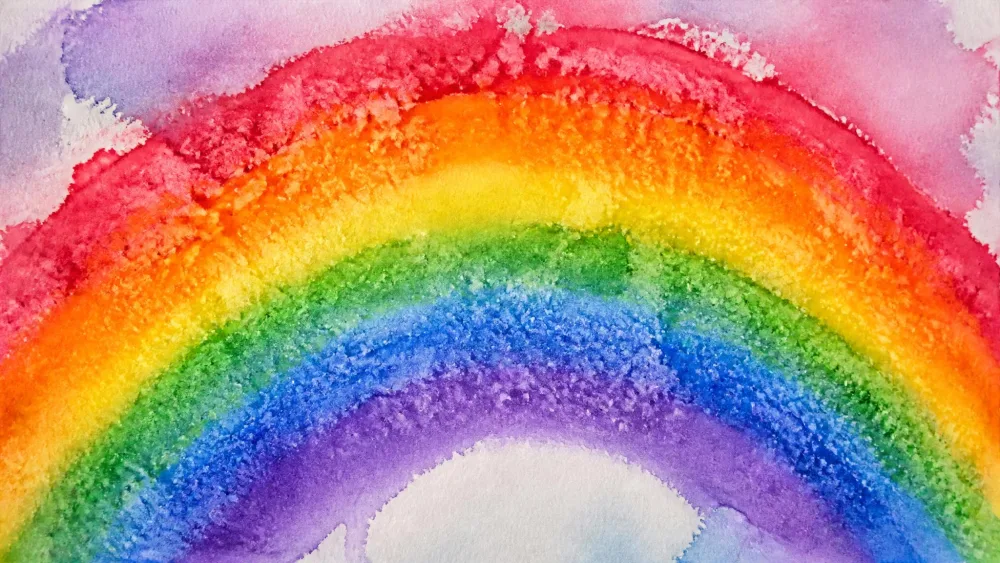
Salt-Sprinkle Rainbow
Sprinkle table salt on a wet rainbow and let it bloom into a starry, speckled texture.
Watercolor Project Ideas for School-Age Kids (Ages 6+)
Older kids are ready for layered techniques and projects that take a recognizable shape. These lean on resist, texture, and a few famous-artist nods that double as art lessons.
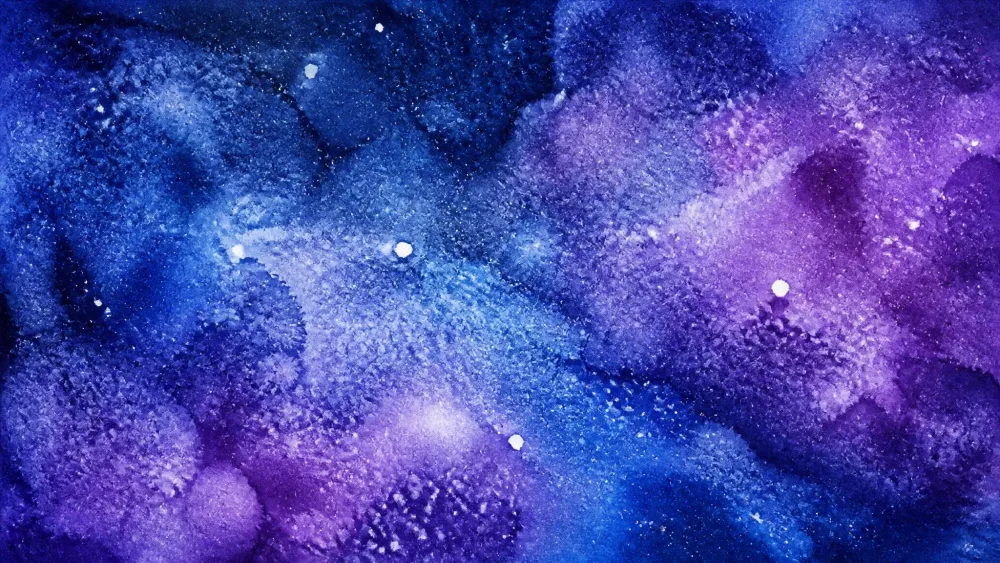
Salt Galaxy Painting
Wash deep blues and purples, sprinkle salt for stars, and flick white paint for distant galaxies.
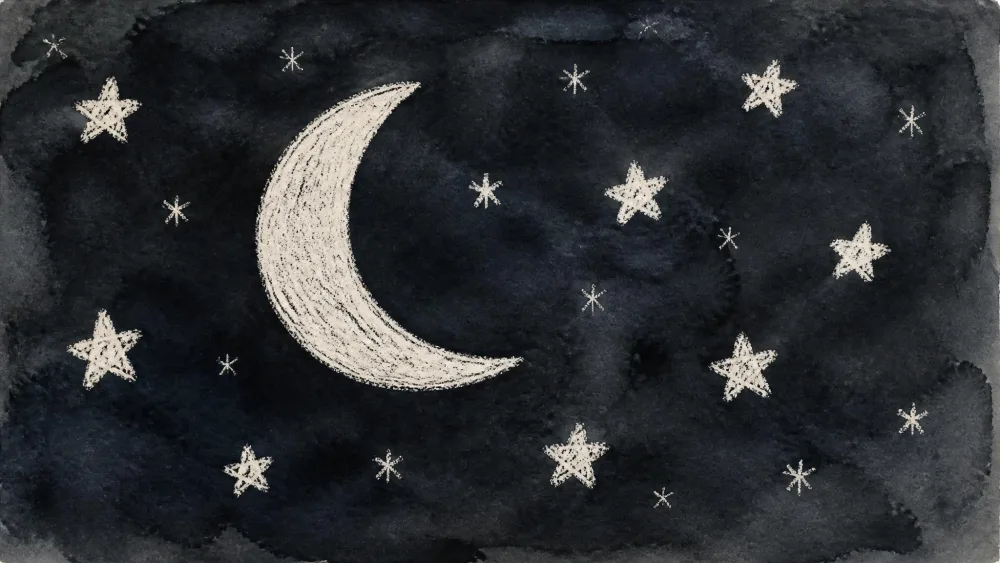
Crayon-Resist Night Sky
Draw a white-crayon moon and stars, then wash dark color over the page so the hidden lines appear.
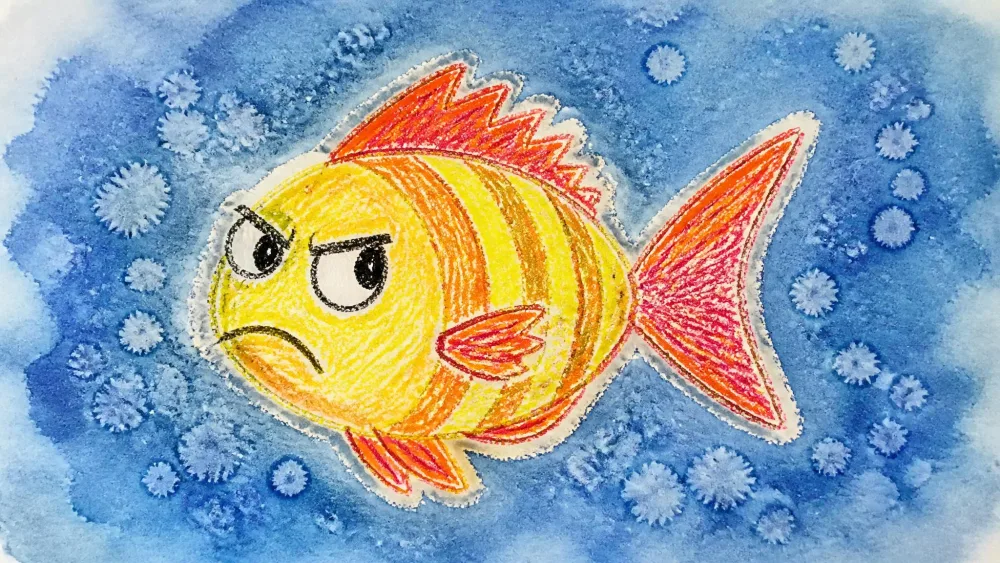
Watercolor Fish and Under the Sea
Draw crayon fish, add a blue wash so the waxy outlines pop, and sprinkle salt for bubbles.
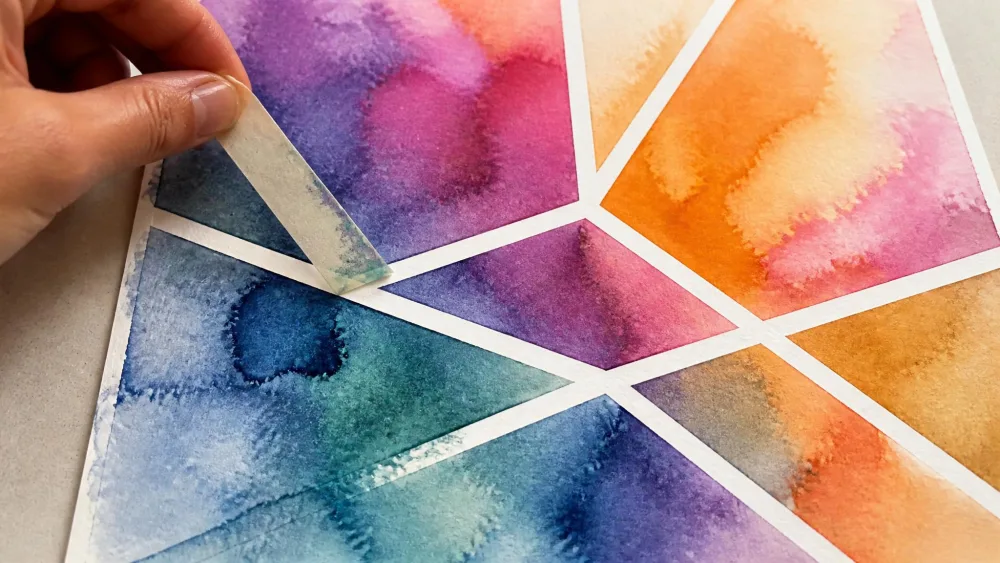
Tape-Resist Abstract Art
Paint freely over crossing strips of painter's tape, then peel them once dry for crisp white shapes.
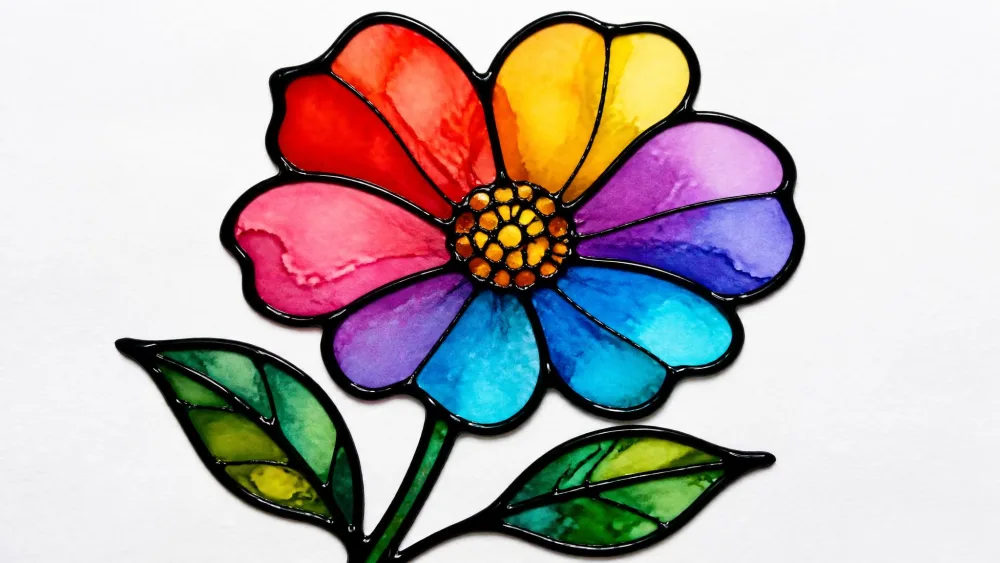
Black-Glue Stained-Glass Flowers
Pipe flower outlines in black glue watercolor resist, dry them overnight, and fill each section with color, using water sparingly so the black doesn't run.
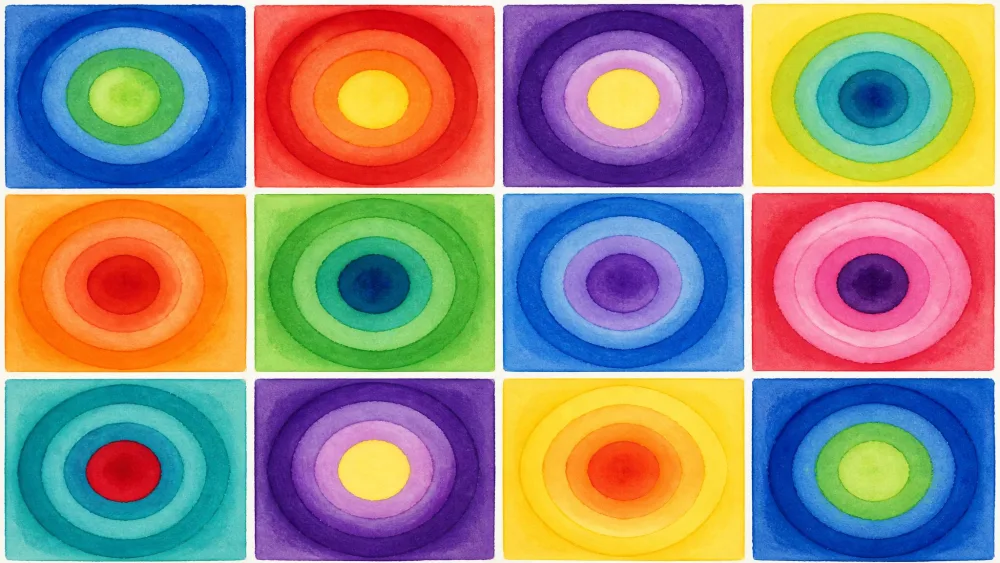
Kandinsky Concentric Circles
Paint rings of color inside rings, one circle at a time, in a grid of squares.
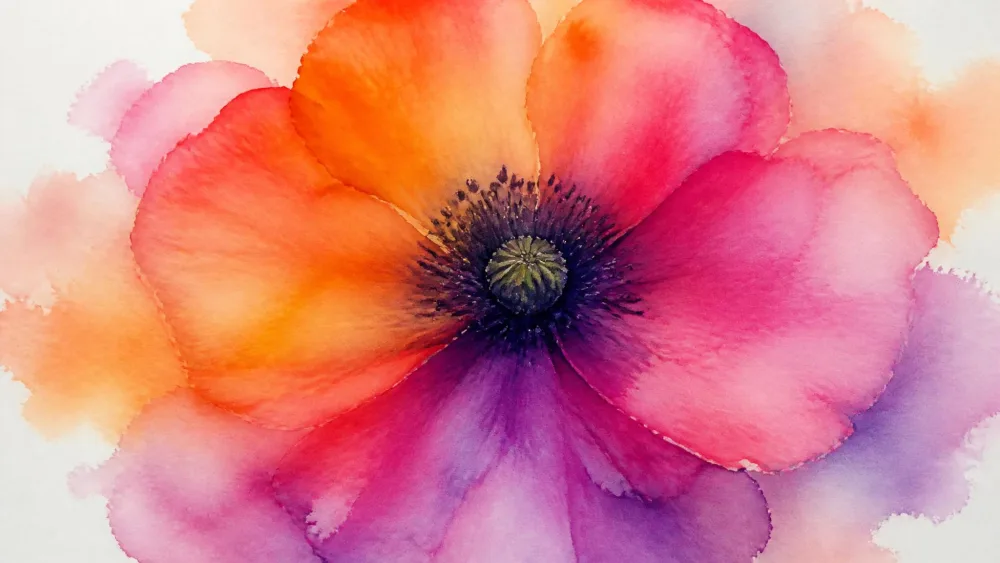
O'Keeffe Close-Up Flowers
Draw one giant flower that fills the page, then blend soft color from the center outward.
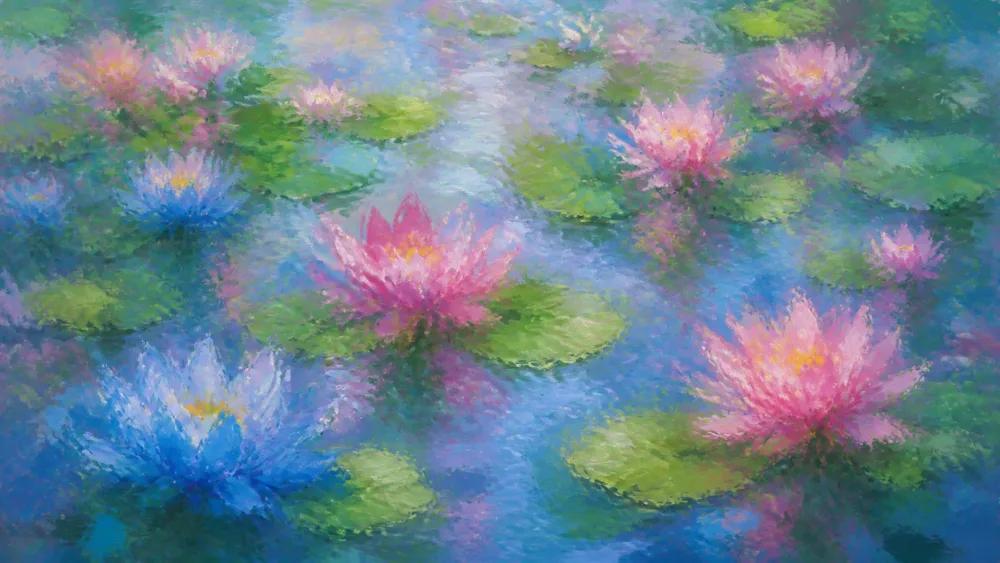
Monet-Inspired Water Lilies
Dab short strokes of green, pink, and blue across a watery pond; the soft blur is the point.
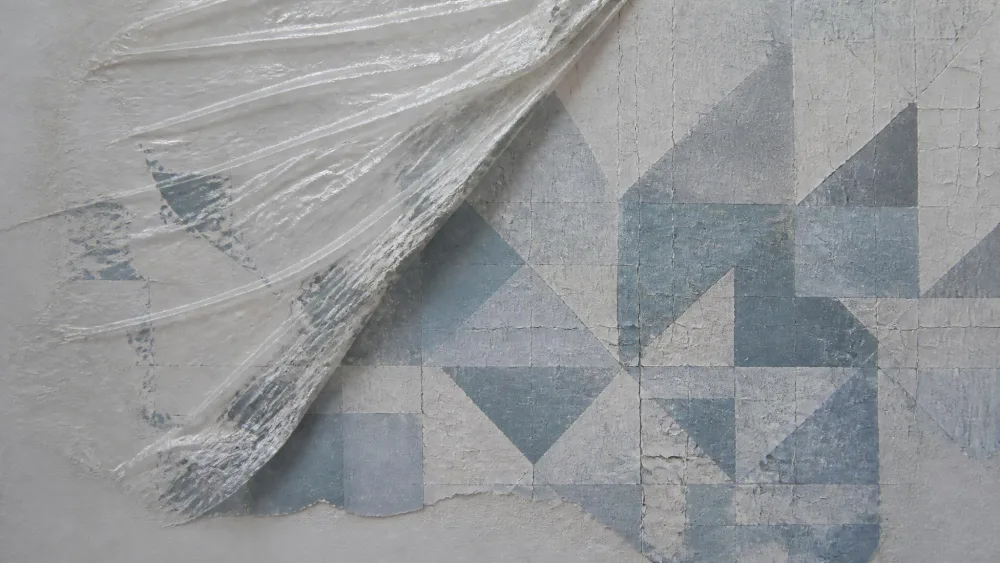
Plastic-Wrap Crackle Landscape
Lay scrunched plastic wrap over a wet wash, dry it overnight, and peel for a crackled, geometric texture.
Splatter Fireworks
Tap a loaded brush over a dark page to scatter bursts of dots; layer two or three colors.

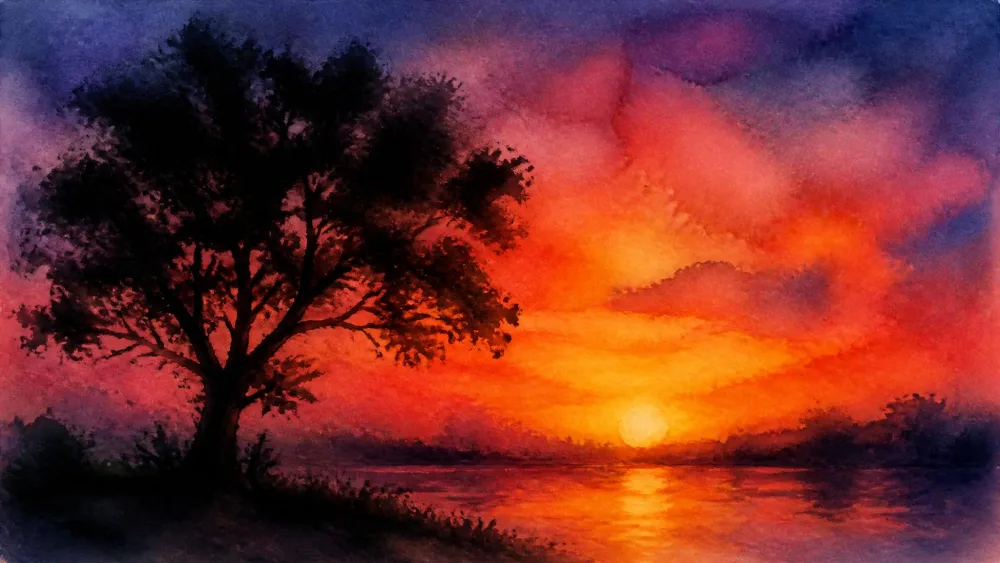
Wet-on-Wet Sunset Silhouette
Blur orange, pink, and purple on wet paper, then paint a black tree or skyline once dry.
Seasonal & Holiday Watercolor Ideas
Tying a project to the time of year gives kids an easy reason to paint, and the same techniques carry every season.
Spring & Summer
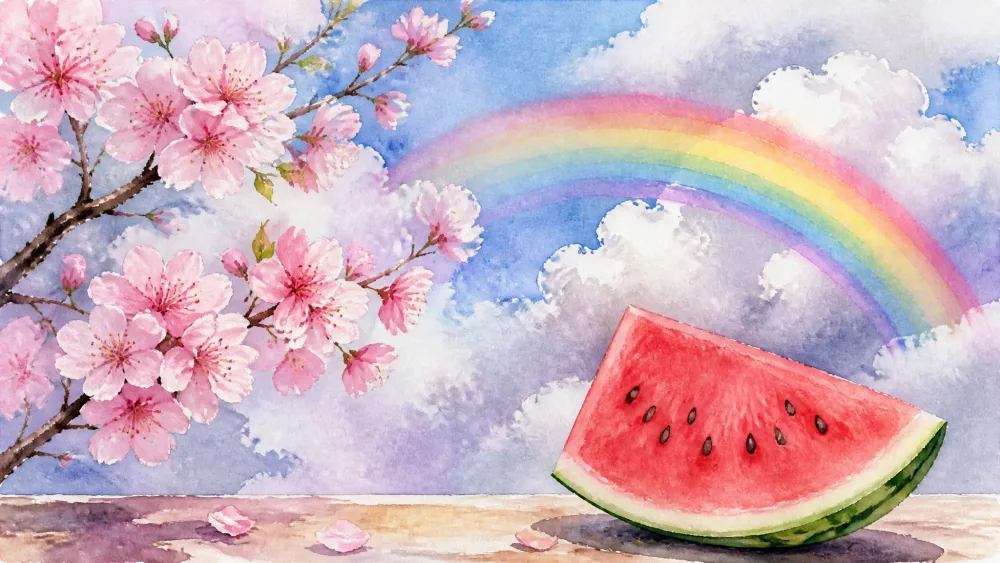
For cherry-blossom branches, paint brown limbs and dab pink blossoms on with a cotton swab. A puffy-cloud rainbow comes together by brushing wet bands and lifting clouds out with a dry tissue. For watermelon slices, wash a pink semicircle, edge it in green, and flick on black seeds once dry.
Fall & Winter
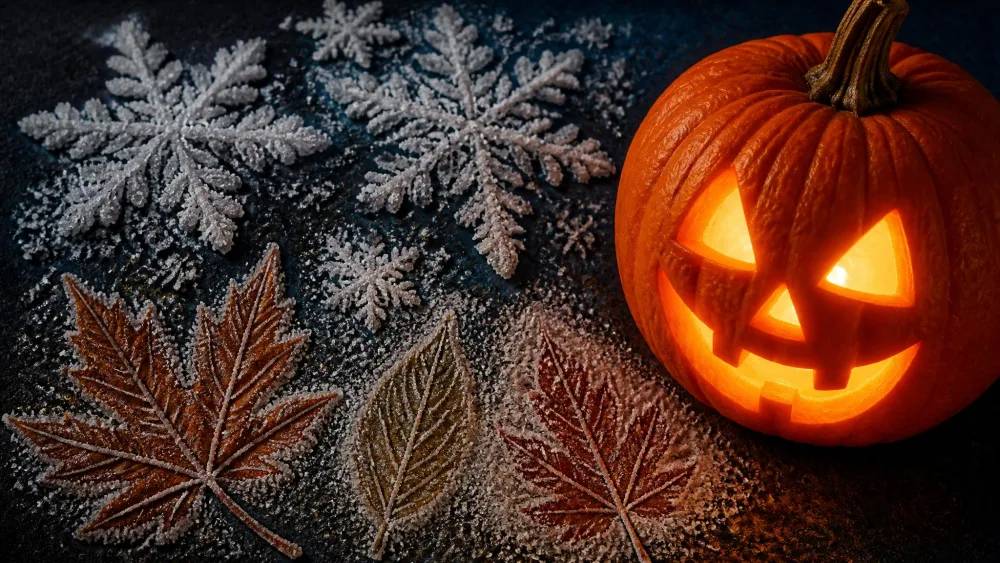
Salt-texture snowflakes start with a blue night wash sprinkled with salt, plus white crayon-resist flakes. For fall leaf prints, brush paint onto the veined back of a real leaf and press it to paper. Glowing jack-o'-lanterns use a crayon-resist face that shines through an orange and black wash.
Tips to Avoid Common Watercolor Mistakes (and Manage the Mess)
Limiting each project to three or four colors is the single best fix for muddy paintings, since brown is what you get when every shade blends in one cup. Buckled paper is the other common complaint; heavier 140 lb paper resists it, and taping all four edges to a board holds the sheet flat as it dries. To keep the mess down, cover the table and pre-cut the paper before you call the kids over, with paper towels close by to dab up a mistake while it's still wet.
Frequently Asked Questions
What is the easiest thing to paint with watercolors for kids?
Start with a wet-on-wet wash, a salt-sprinkle rainbow, or crayon resist. They need no drawing skill and turn happy accidents into the finished art.
What age can kids start watercolor painting?
Supervised exploration can begin as early as around 12 to 18 months, though it varies by child. By age 3 most kids handle a brush with some independence, and around 5 or 6 they can learn real technique.
Are watercolor paints safe for toddlers?
Choose paints labeled non-toxic to ASTM D-4236 and carrying the ACMI AP seal, which means a toxicologist reviewed them. If your toddler still mouths everything, hold off on open palettes and use taste-safe painting instead.
How do you make watercolor paint for kids?
A common recipe mixes baking soda with vinegar until it stops fizzing, then adds cornstarch and corn syrup before tinting each well with food coloring. Let it set a few hours to overnight. Our guide shows you how to make your own watercolor paint, and PBS offers another homemade watercolor paints recipe.
What's the difference between pan, tube, and liquid watercolors?
Pan sets are cheapest, longest-lasting, and lowest-mess, so they suit beginners. Liquid watercolors are the most vibrant but stain the most. Tubes are concentrated and better for older kids who mix their own colors.
How do you keep watercolor paper from wrinkling?
Use heavier paper, ideally 140 lb (around 300 gsm), and tape all four edges to a board before painting. If a piece already wrinkled, mist the back and press it under heavy books overnight.
Do watercolors stain clothes or skin?
Washable kids' watercolors, like the Crayola and Faber-Castell sets, wash off skin and most clothing. Liquid watercolors are far more pigmented and can stain, so use smocks and cover the table.
Final Thoughts: Keep the Creativity Flowing
The best watercolor ideas for kids of all ages aren't the fanciest ones; they're the projects your child wants to repeat. Keep the supplies within reach, lean on a few reliable techniques, and let the happy accidents happen. Once kids learn there's no wrong way to do it, they'll get creative on their own.