20 Easy Watercolor Painting Ideas for Kids
Why Watercolor Is Perfect (and Low-Mess) for Kids
Easy watercolor painting for kids is one of the simplest, least messy ways to get a child painting, and it is the paint we reach for most at our kitchen table. At heart, watercolor is just pigment suspended in water and brushed onto paper, so a child needs only a brush, water, and a sheet. The colors are forgiving, and there is very little a young painter can get wrong. That kind of open-ended, process-focused art helps young children build fine-motor skills, focus, and confidence. It is why watercolor suits kids of all ages. Below are 20 fun and easy ideas, sorted from the simplest preschool activities up to projects older kids will love.
NoteAt a glance: most kids can start around age 3 with supervision, a watercolor layer dries in roughly 5 to 15 minutes (a heavy wash can need 30 minutes or longer), and most projects fit a short 10-to-15-minute session.
Watercolor Supplies You'll Need
The best part of watercolor is how little you need. A basic set of paints, thick paper, a couple of brushes, and a cup of water cover every idea here. This is what we keep in our craft bin. For more, browse our Coloring & Art Supplies for Kids hub.
Best Watercolor Paints for Kids
For most families, a simple pan set is the easiest place to start. The dry cakes need only water and paper, one set lasts a long time, and they are the simplest to control. We keep a washable pan set like Crayola's tray of 8 classic colors in the art corner. They suit preschoolers and up, with supervision for the youngest. Liquid watercolors are brighter because kids dip straight in, but they stain clothing more.
Brushes, Paper & Extras to Gather
Paper matters more than almost anything. Thin printer paper buckles and tears once it gets wet, so reach for a pad of watercolor paper. A weight of 140 lb is the sweet spot because it holds water without wrinkling. We cut big sheets into 4x5-inch pieces, since a small rectangle feels far less daunting than a blank page. Use synthetic round brushes, not natural-bristle ones, which shed hairs into wet paint. Add painter's tape, crayons, and salt.
Easy Watercolor Techniques to Try First
A handful of simple techniques unlock almost every project below, and watercolor is forgiving enough that kids pick them up fast. Here are the five we use most. For step-by-step versions, see our guide to easy watercolor techniques for kids.
Wet-on-Wet
Wet the paper first, then drop in concentrated color and watch it bloom and spread on its own. Keep the paper damp, not soaking, or the colors turn to mud.
Salt Texture
While a wash is still wet, sprinkle on a little salt. It soaks up pigment and leaves starry, fairy-dust speckles as it dries. Coarse salt beats fine table salt.
Crayon / Oil Pastel Resist
Draw with a white crayon or an oil pastel, then paint over the top. The hidden picture appears like magic. Oil pastels lay down more wax, so the reveal is bolder.
Splatter Painting
Load a wet brush and tap it over a finger to fling specks across the page. It is energetic, almost foolproof, and a reliable hit with toddlers and up.
Tape Resist
Press strips of painter's tape onto the paper, paint over everything, then peel it once dry. You are left with crisp white shapes and a clean border.
20 Easy Watercolor Painting Ideas for Kids
Now for the fun part. These ideas run from the simplest preschool activities to projects older kids will love, and each uses the basic supplies above. Pick any that catch your eye and dive in.
1. Water Drop Painting
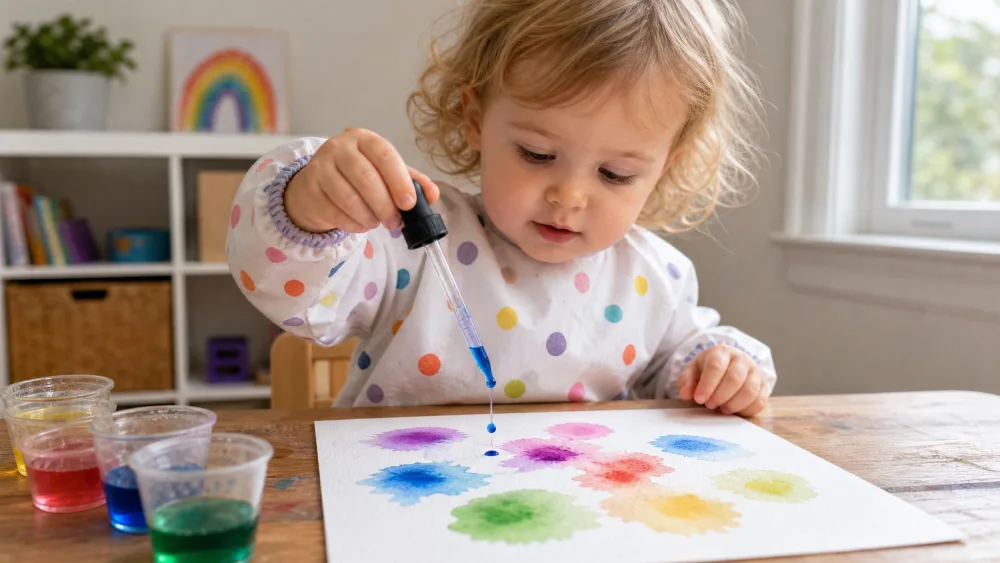
Even our least crafty afternoons start here. Hand a child watery color and a dropper, and let them drip and dot freely. Toddlers stay happily absorbed.
2. Wet-on-Wet Color Blooms
Brush clean water over the paper, then drop in bright color and watch it bloom on its own. It is the most satisfying technique for little kids.
3. Splatter Fireworks
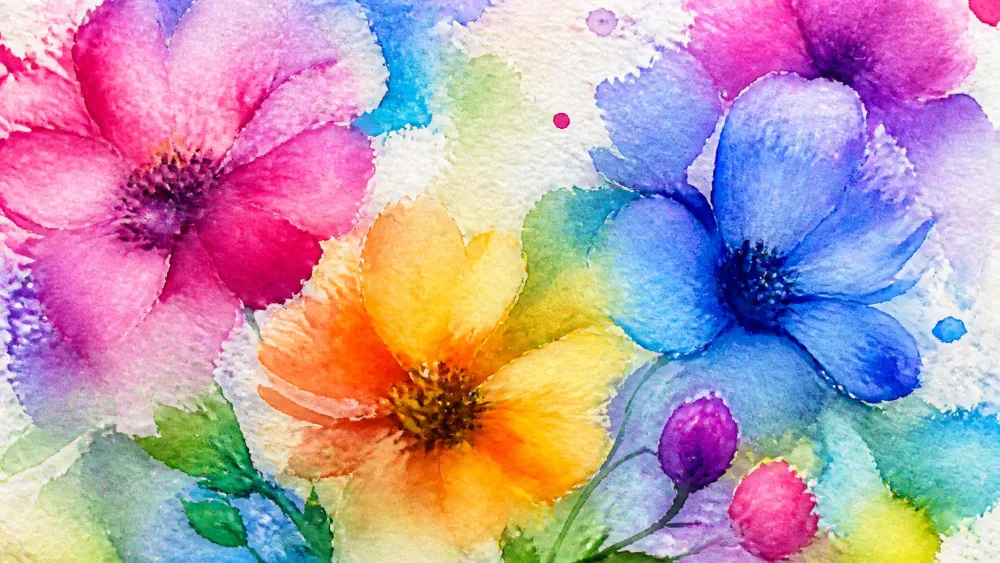
Load a brush and tap it to fling specks of color for instant fireworks. It is nearly foolproof, a dependable crowd-pleaser for toddlers and up.

4. Magic Crayon Resist Rainbow
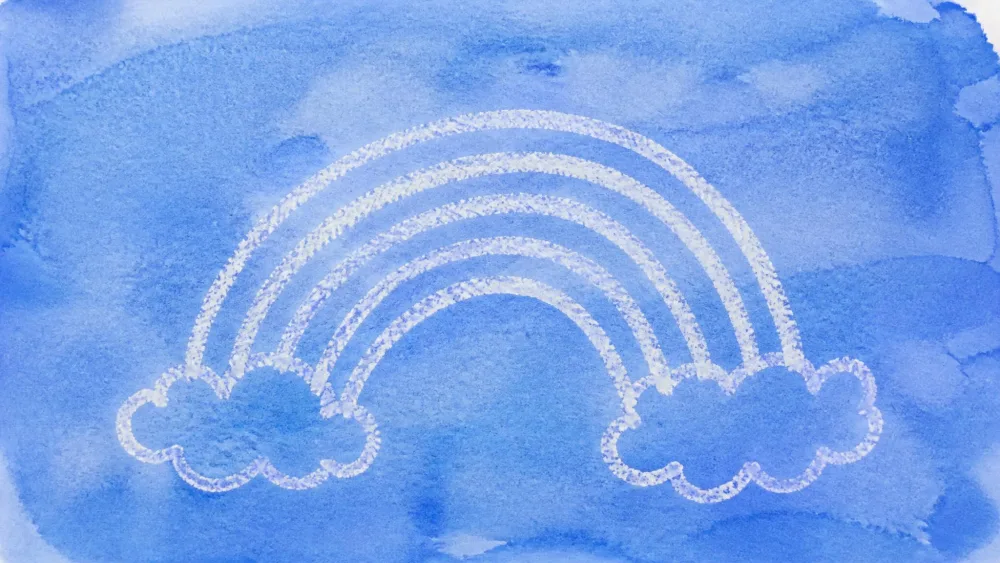
Draw a rainbow in white crayon, then wash color over the page. The hidden lines appear like magic, and kids love watching the picture reveal itself.
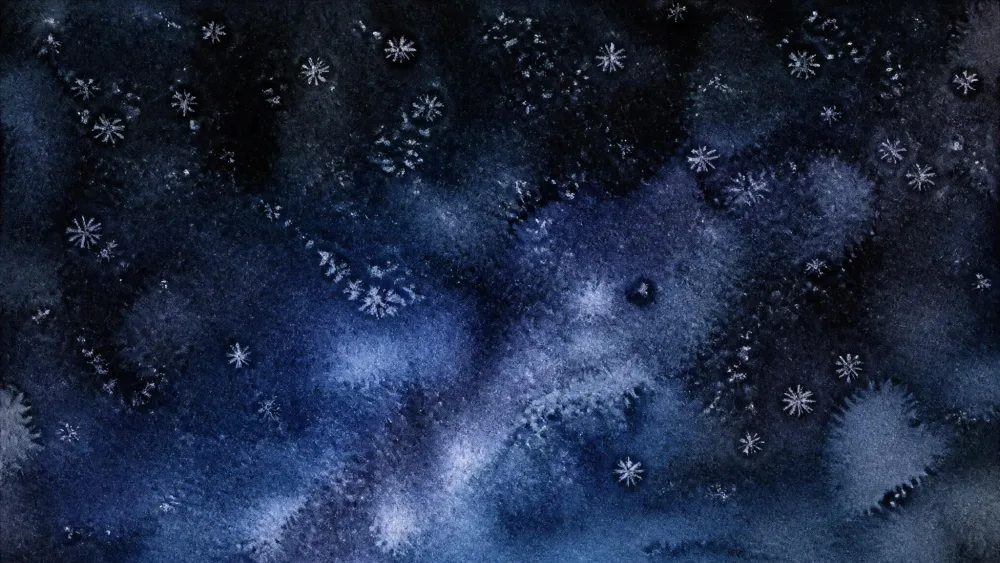
5. Salt-Sprinkle Starry Sky
Paint a deep blue night sky, then sprinkle salt on while it is still wet. As it dries, the salt pulls up pigment into starry speckles.
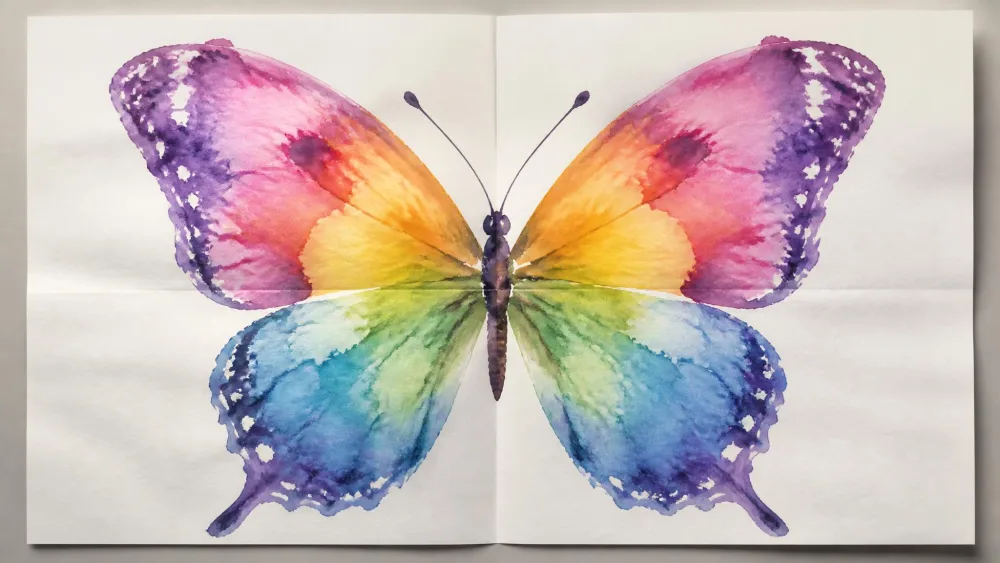
6. Butterfly Symmetry Prints
Fold a sheet in half, paint thick blobs on one side, then press and open it. The mirror-image surprise is a near-instant win our kids love.
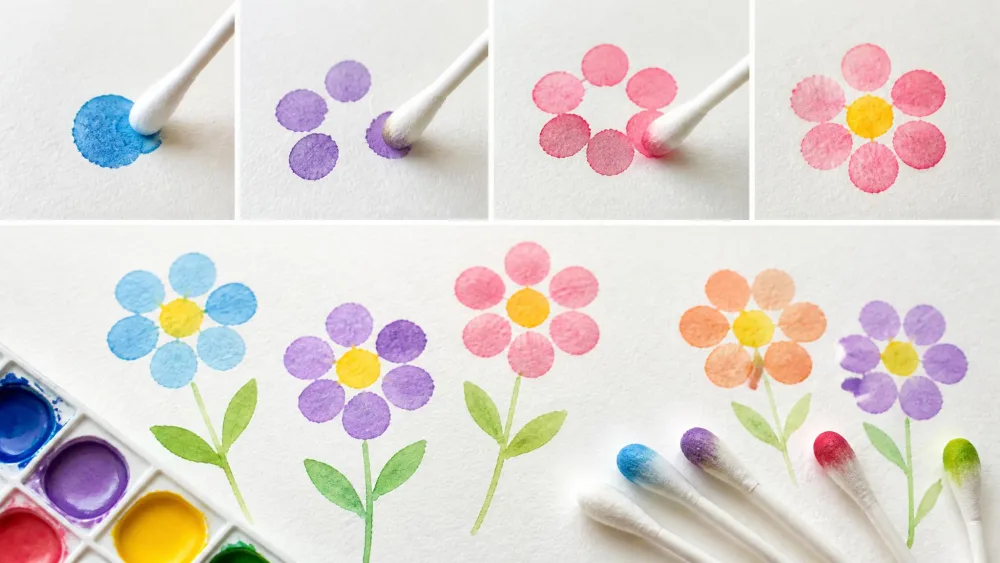
7. Cotton-Swab Dot Flowers
Trade the brush for cotton swabs and dab dots into simple flower shapes. The small tip lets preschoolers fill a page without any drawing pressure.
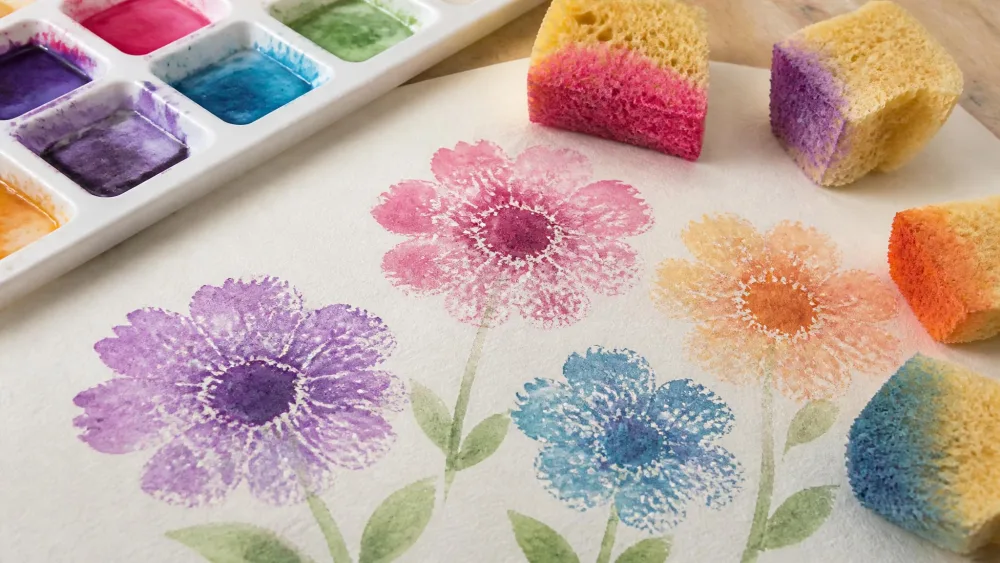
8. Sponge-Print Garden
Cut a kitchen sponge into pieces, dip them in color, and stamp soft, textured blooms. Sponges hold lots of paint and make bold marks fast.
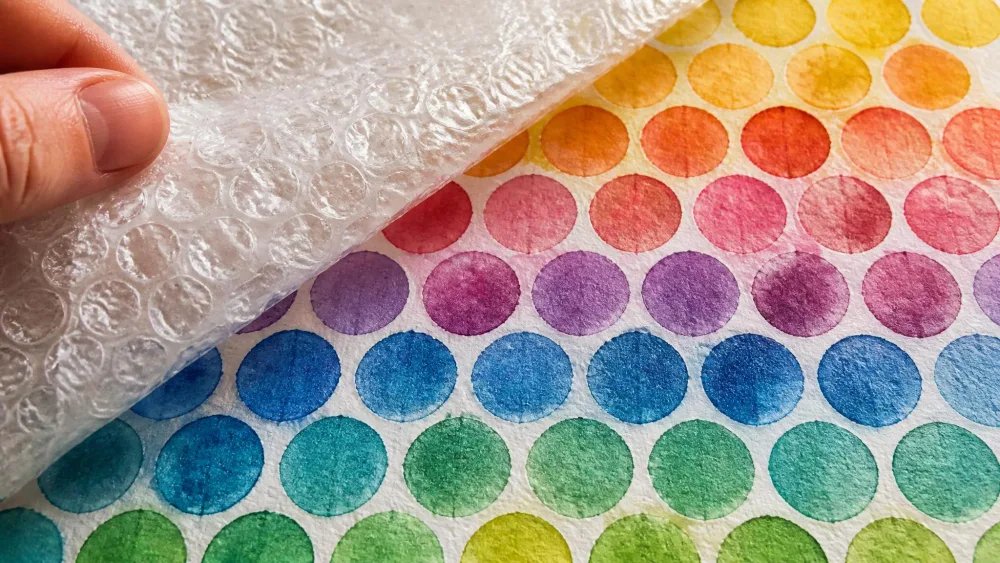
9. Bubble-Wrap Prints
Brush color onto bubble wrap, press it onto paper, and lift to leave a honeycomb of dots. It covers a big area fast and reuses well.
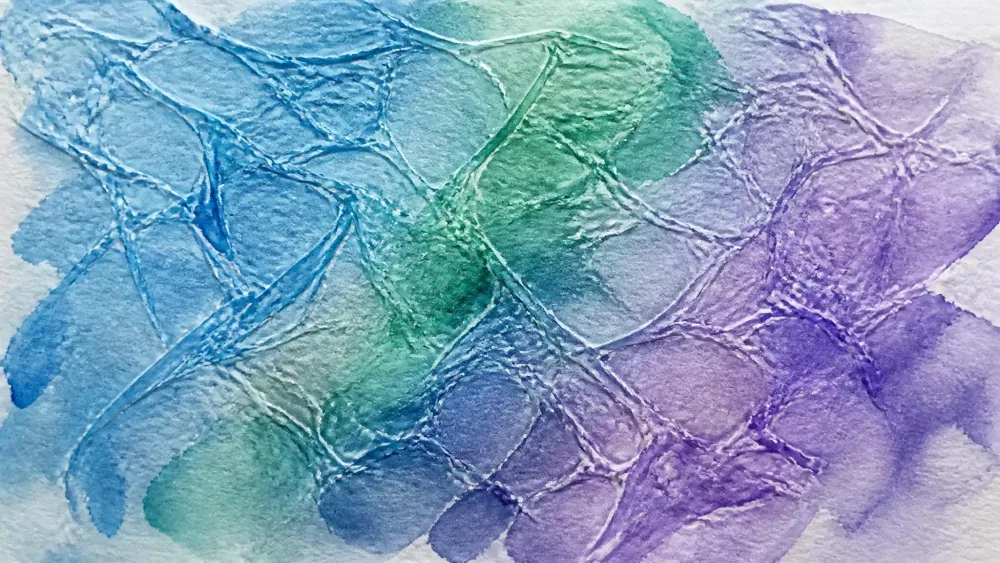
10. Cling-Wrap Texture Abstract
Lay a wet, colorful wash, then press crumpled plastic wrap into it and let it sit. Peel it away for crackled, stained-glass patterns.
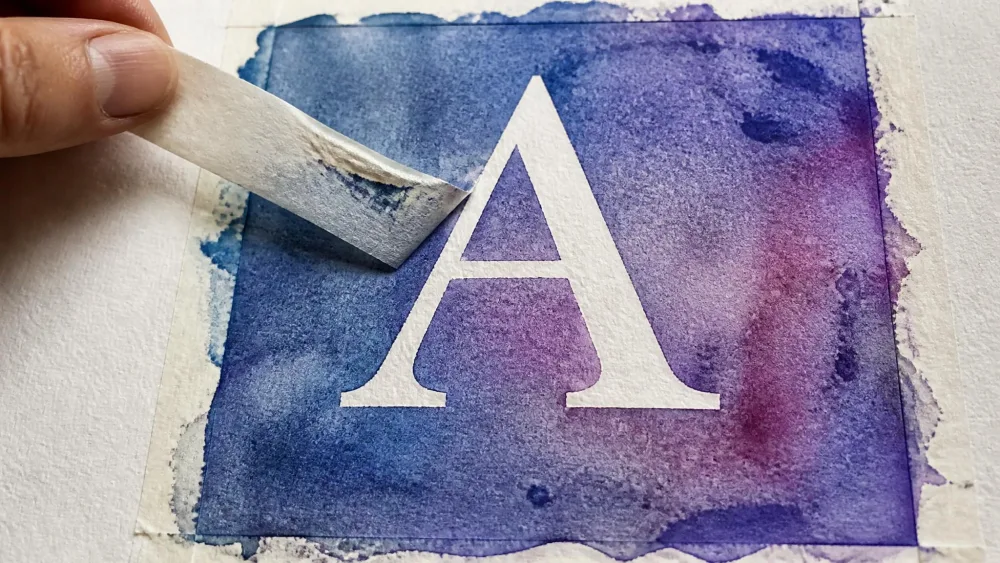
11. Tape-Resist Initials
Lay tape in the shape of a child's initial, then let them paint over the sheet. Peel it once dry and a crisp white letter stays behind.
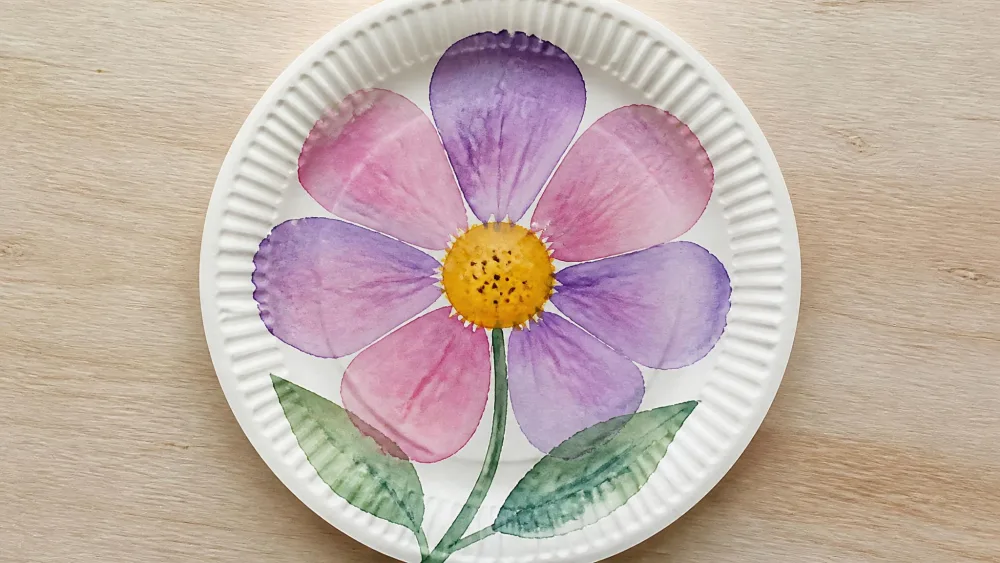
12. Paper Plate Flowers
A plain paper plate is a ready-made circle for a flower. Painting into a shape that already exists removes the blank-page pressure that makes kids freeze.
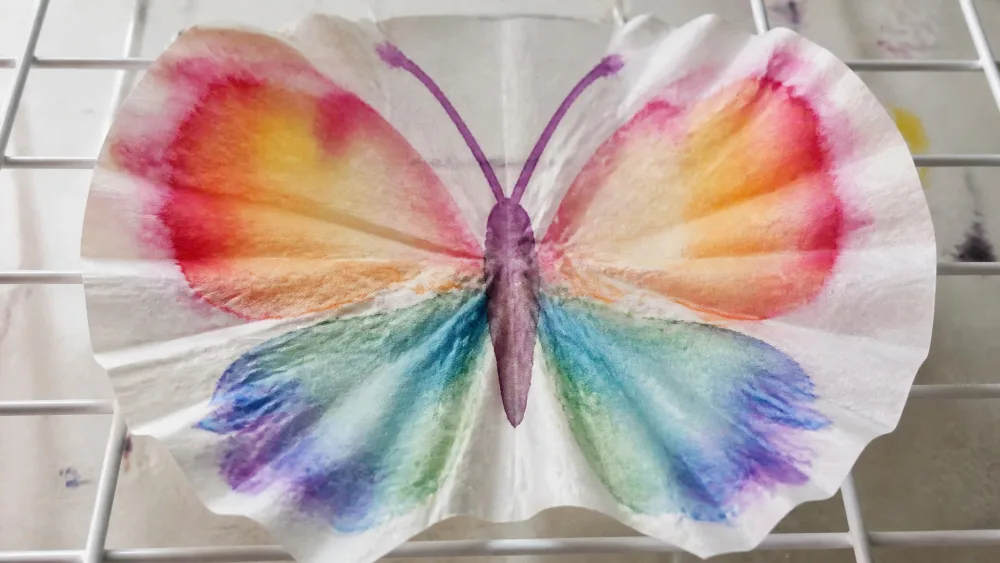
13. Coffee Filter Butterflies
Color a flattened coffee filter with watery paint and watch it blend and soak in. Once dry, pinch the middle and add a pipe-cleaner butterfly body.
14. Sticker-Resist Shapes
Press stickers onto the paper, paint over the top, and peel them off once dry to reveal clean white shapes. It is the easiest resist for little fingers.

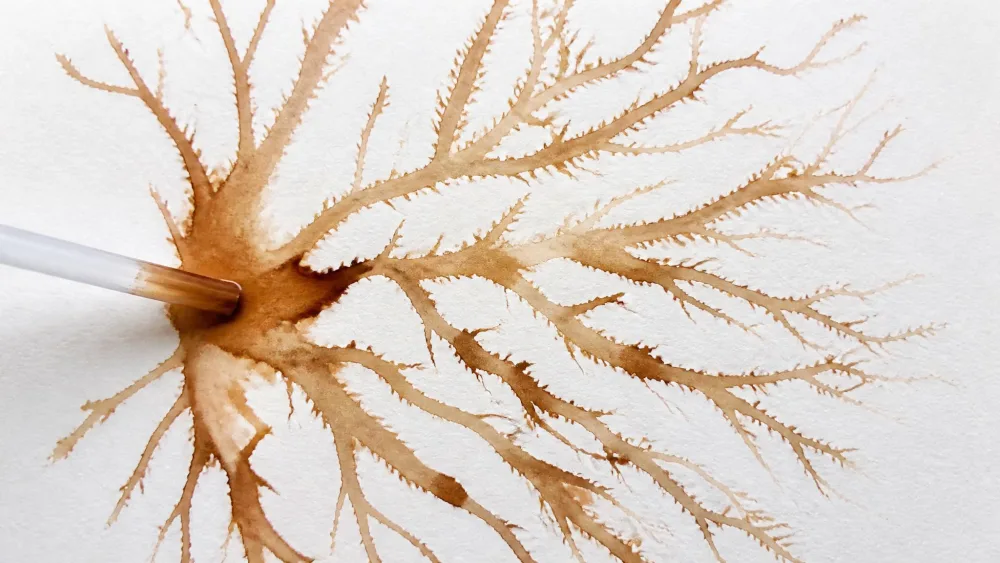
15. Straw-Blown Trees
Drop a puddle of watery brown paint at the page bottom, then blow through a straw into spindly branches. Add dabs of color for blossoms.
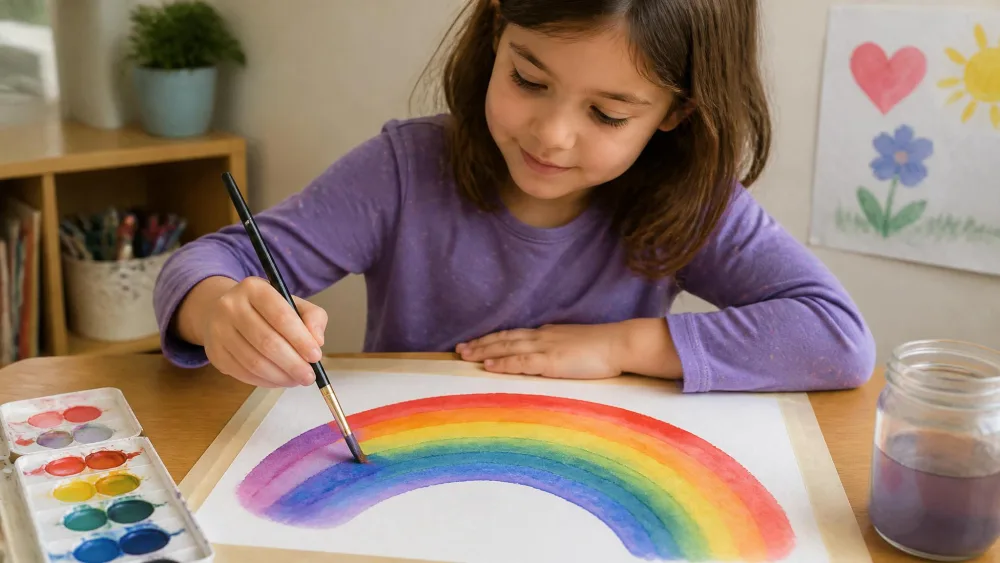
16. Watercolor Rainbow Arc
A classic for a reason. Paint stripes of color in an arc, working wet so each band blends into the next. It suits kids of all ages.
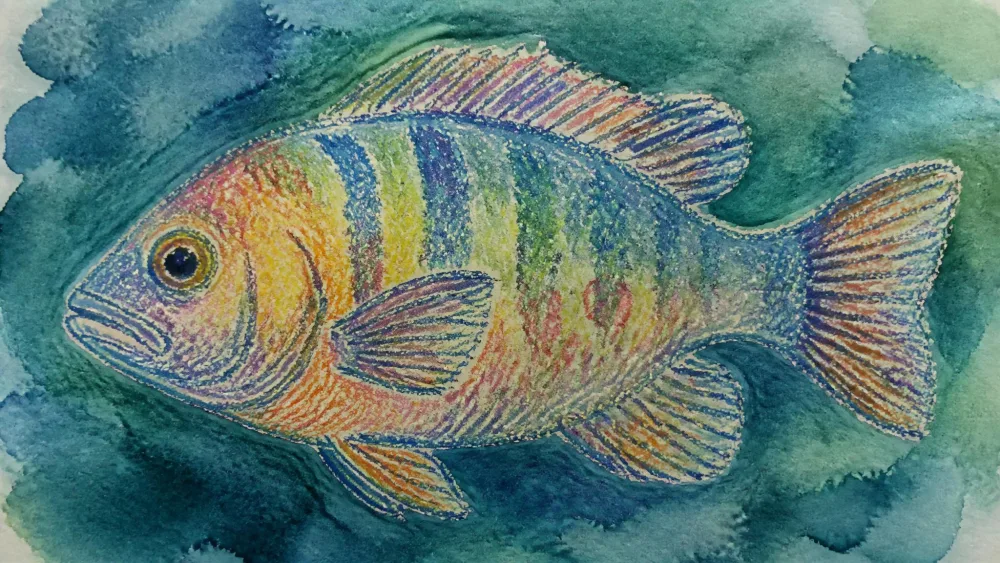
17. Oil-Pastel Resist Ocean
Draw fish and waves in oil pastel, then wash blue and green over the page. Oil pastels hold more wax, so the reveal is bolder than crayon.
18. Galaxy Bookmarks
Cut paper into narrow bookmark strips and fill them with blended blues, purples, and salt-speckled stars. Working small keeps it quick and far less daunting.

19. Watercolor Greeting Cards
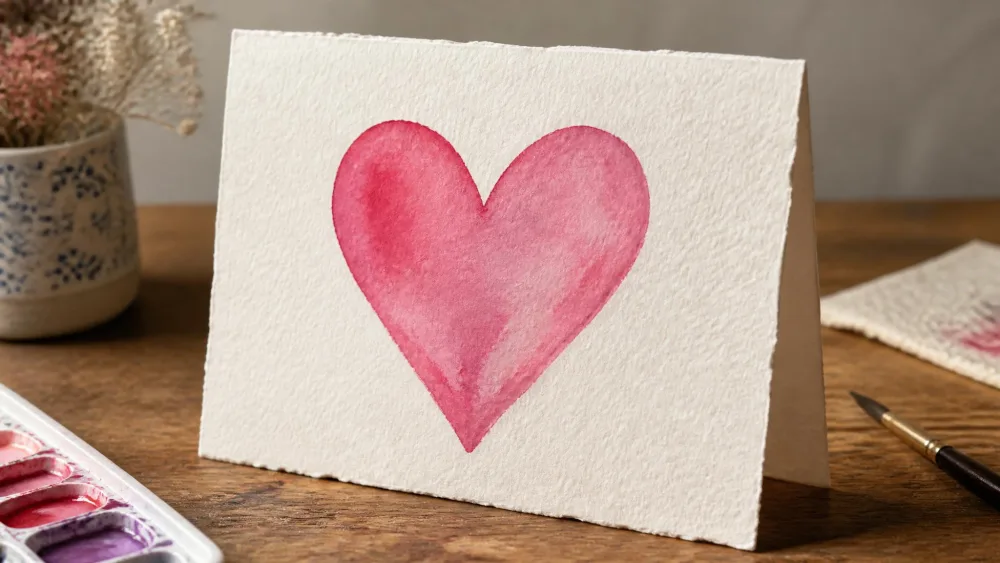
Fold cardstock in half and let kids paint the front for a birthday or thank-you card. A simple heart becomes a handmade card grandparents love.
20. Simple Watercolor Landscape
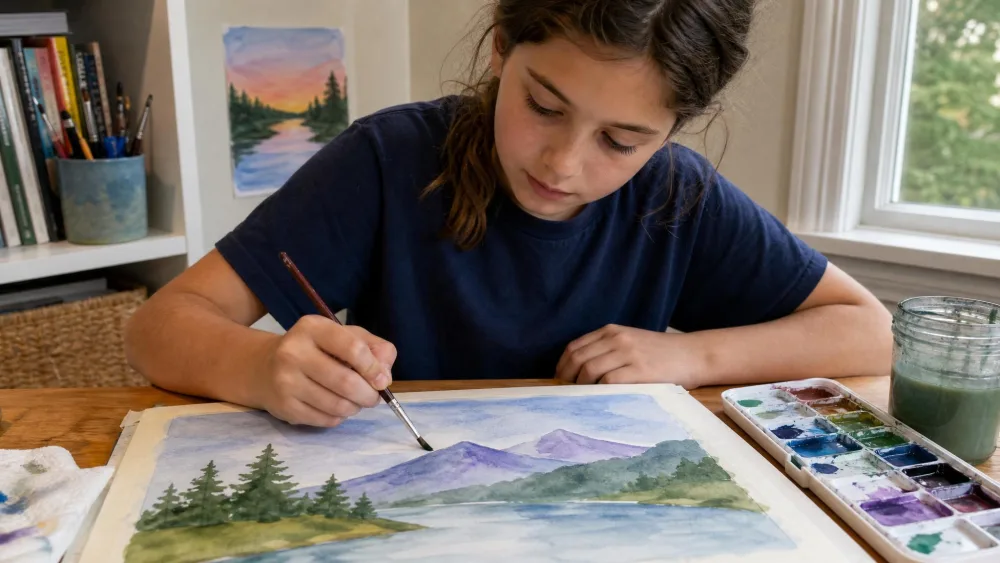
For older kids ready to plan a scene, a simple landscape pulls every technique together: a wet sky, a salt-textured field, and tape-resist fence posts.
Easy Cleanup: Tips for Less-Messy Watercolor Painting
Watercolor really is one of the least messy paints, but a few habits keep it that way. We define an art zone with a wipe-clean tablecloth or a tray, so spills stay in one spot. Small sauce cups for rinse water tip over far less than tall glasses, and old t-shirts save the clothes. Best of all, build cleanup into the activity itself rather than leaving it for the end.
Parent tipFor the easiest cleanup, lay down a plastic tablecloth before you start and keep a damp sponge within reach. Wiping spills as you go keeps everything less messy, and packing up can become part of the fun.
Watercolor Painting for Kids FAQ
What is the easiest thing to paint with watercolors?
Simple drips and blooms. Water-drop painting and wet-on-wet blooms need almost no skill, so they are the easiest place to start. Hidden white-crayon resist is a close second.
How do you make watercolor paint for kids?
You can mix a quick homemade version from kitchen staples like baking soda, cornstarch, and food coloring, then set it in an ice-cube tray. We cover the full recipe in our guide to how to make watercolor paint for kids.
What age can kids start watercolor painting?
Most children can start around age 3 with supervision, and toddlers as young as 2 enjoy water-drop play and splatter. Pan sets suit about 3 and up, while liquid watercolors are easiest for the very youngest.
How do you make watercolor painting less messy?
The single most effective change is choosing pan watercolors over liquid ones, which stain clothes far more. Beyond that, a wipe-clean mat and small rinse cups catch most spills. It is more about setup than scrubbing.
Final Thoughts: Let Your Kids Explore Color
The real magic of watercolor is not any single project; it is how forgiving the whole medium is. There is so little a child can get wrong, which frees them to experiment with a world of color. Pick one idea, set out the paints, and see where the colors take your kids. For more, browse our easy watercolor ideas for kids and watercolor projects for kids.