How to Clean Crayon Off Plastic
Crayon on plastic looks permanent, but it comes off easily with a few common household items you already own. In our home, with two young artists at the kitchen table, we clean crayon off toys and bins most weeks, and we know which order actually saves the surface.
Start with the mildest fix, warm water and dish soap, and only escalate if the mark holds on. Crayon is mostly wax, so it lifts once you loosen it.
NoteWe test each method in real life, from fresh scribbles to melted crayon after a hot-car ride. Everything here is what worked at our table.
Quick Answer
To clean crayon off plastic, wipe the mark with warm water and a few drops of dish soap on a soft cloth, rubbing in a circular motion. For stubborn crayon, move up to a baking soda paste, a damp Magic Eraser with light pressure, or rubbing alcohol on a cotton ball. Melted crayon needs heat and a plastic scraper. Test any stronger method in a hidden spot first, the way Crayola's official stain-removal tip advises.
Why Crayon Sticks to Plastic
Crayon is wax plus pigment, and both cling differently. The wax sits on top of a smooth surface, while the pigment works down into any texture. On glossy plastic the mark wipes away with soap, but on textured plastic the crayon settles into the grooves and needs more patience. Heat makes it worse, since it softens the wax.
What You'll Need
Most is already in the house:
- Liquid dish soap and warm water
- Soft cloths, a sponge, and a microfiber cloth
- Baking soda
- A melamine foam eraser (Magic Eraser)
- Rubbing (isopropyl) alcohol and cotton balls
- WD-40 or a little cooking oil
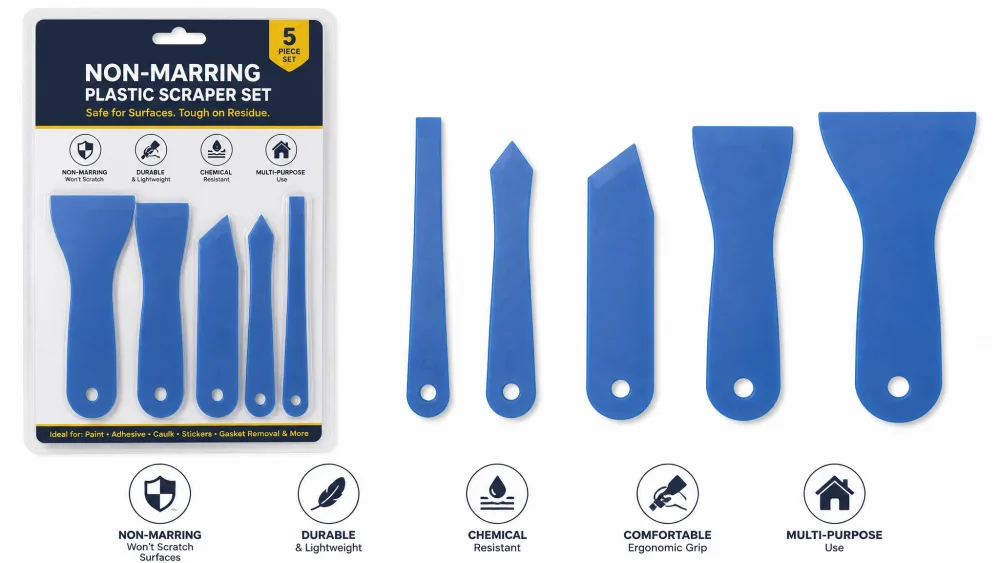
- A hair dryer and a plastic (non-marring) scraper for melted crayon
- An old toothbrush for textured plastic
Watch outSkip abrasive pads, scouring powder, and steel wool, since they scratch plastic permanently. Keep solvents like alcohol and WD-40 away from small hands, work in a ventilated spot, and always test first in a hidden spot before treating the whole mark.
Method 1: Warm Water & Dish Soap
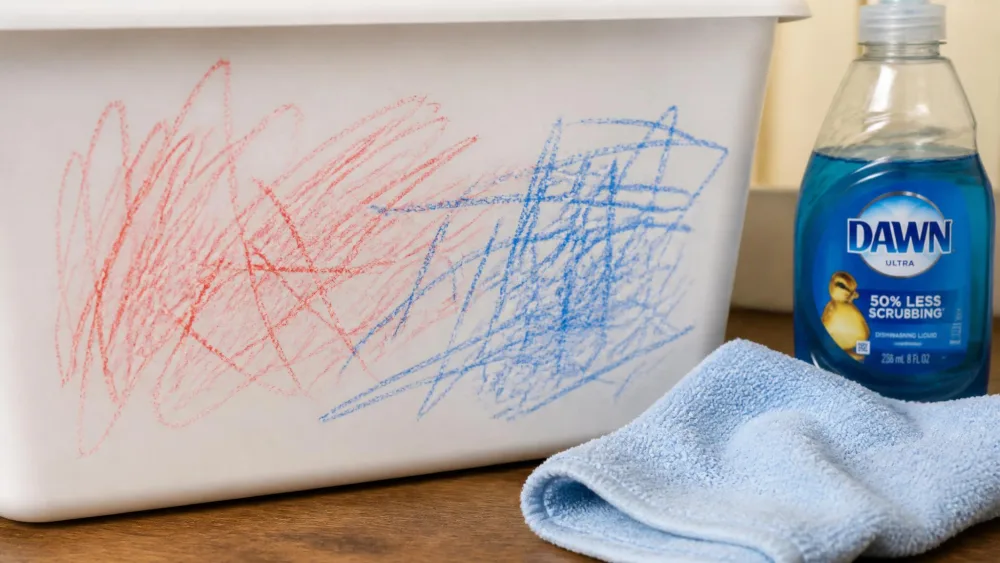
This is the gentlest method, and it handles most fresh crayon on its own. Warm water and a few drops of dish soap on a sponge, worked in circular motions, lifts most marks before we reach for anything stronger. Dilute the soap rather than using it neat, which helps avoid harming the plastic. If you start with an all-purpose spray instead, let it sit on the marks for about five minutes before wiping.
Step-by-step
- Mix a few drops of dish soap into a bowl of warm water.
- Dampen a sponge, wring it out, and rub the mark gently in a circular motion.
- Wipe with a clean damp cloth, then dry the surface.
- Repeat once or twice if a faint shadow remains.
Method 2: Baking Soda Paste
When soap alone leaves a ground-in mark, a mild abrasive helps. Baking soda works, but it is abrasive enough to scuff delicate or glossy plastic, so we rub it gently and keep it off shiny finishes.
Step-by-step
- Make a thick paste of baking soda and water, or sprinkle it onto a damp rag.
- Rub it into the mark in circular motions with light pressure, checking often.
- Wipe the residue away with a clean damp cloth and dry.
Method 3: Magic Eraser (Melamine Foam)
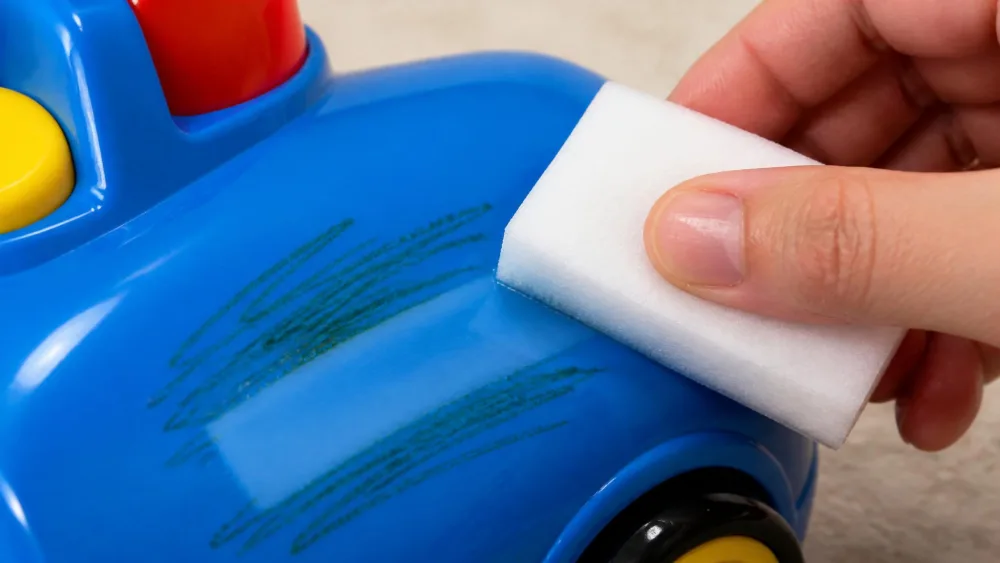
A melamine foam eraser is our go-to for stubborn crayon that soap and baking soda cannot shift. Crayola also suggests a Mr. Clean Magic Eraser, following the manufacturer's instructions. It lifts marks fast, but it can dull or scratch a glossy finish if you press too hard, so light pressure and a hidden-spot test matter. Dampen it, wring it out, and glide it over the mark with gentle strokes, then wipe away the fine crumbs with a damp cloth.
Method 4: Rubbing Alcohol
Rubbing (isopropyl) alcohol is a strong solvent for crayon wax, and our finishing move for clean results. On a cotton ball it dissolves the wax quickly and evaporates without leaving much residue. Dampen a cotton ball, hold it on the mark for a few seconds, then wipe in circular motions. Patch test first and ventilate the room, because alcohol is not safe on every plastic and some finishes can cloud or craze.
Method 5: WD-40 or Cooking Oil
For waxy crayon that will not budge on smooth plastic, an oil-based helper loosens it. WD-40 or a little cooking oil breaks down the wax so it wipes away, then you wash the greasy residue off with dish soap and water. It works well on smooth hard surfaces like plastic, as the WD-40 Multi-Use Product page notes.
Step-by-step
- Spray a light coating on the mark, or dab on a little cooking oil.
- Let it sit for about 2 minutes, then wipe gently with a clean rag.
- Rinse with cold water, then wash off any greasy film with dish soap.
WD-40 earned our trust the hard way. It pulled melted red crayon out of car upholstery baked in over-100-degree Florida heat, and left no trace once we cleaned up with dish soap.
Method 6: Heat & Scrape (Hair Dryer Method for Melted Crayon)
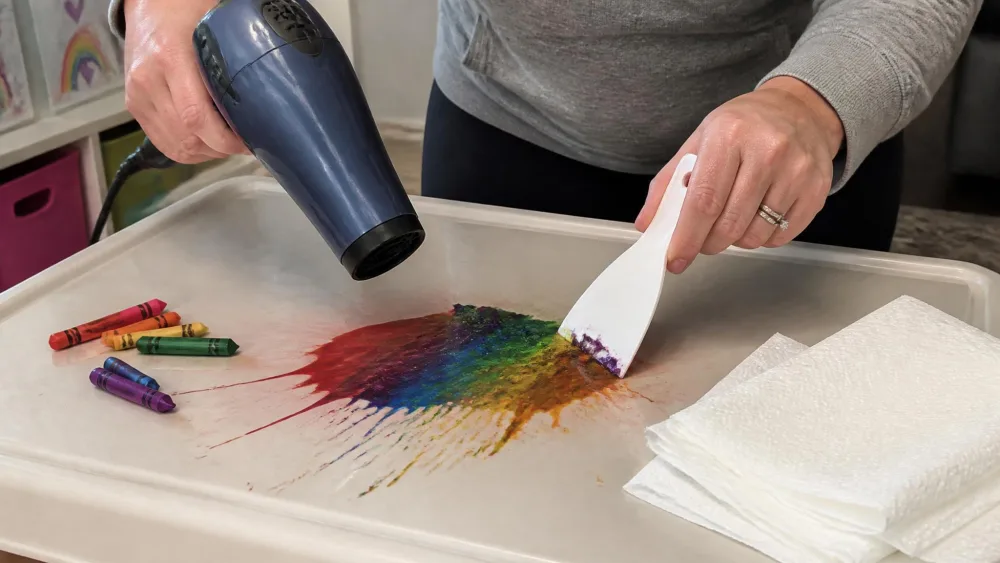
Melted or thick crayon calls for a different approach. Soften it with a hair dryer on low, keeping the nozzle moving so you never park the heat in one place. Once the wax turns soft and glossy, lift it with a plastic scraper. A non-marring scraper removes surface wax without gouging, unlike a metal blade, so scrape the bulk off first and treat what remains with soapy water or a touch of alcohol. It is the same principle behind getting melted crayon off walls, where heat and patience beat force.
Troubleshooting: Match the Fix to the Mark
Different marks want different fixes, so use this table to find yours.
| Symptom | Likely Cause | Fix | Prevention |
|---|---|---|---|
| Waxy smear on smooth plastic | Surface wax not yet ground in | Warm water and dish soap on a sponge, circular motions | Wipe crayon off promptly; store crayons away from smooth plastic |
| Ground-in pigment stain | Pigment worked into the surface | Baking soda paste (gentle) or rubbing alcohol on a cotton ball | Clean marks early before pigment sets |
| Textured plastic won't release mark | Crayon embedded in the grooves | Soft brush or toothbrush with soapy water, repeat passes, light alcohol | Keep crayons off textured toys and bins |
| Melted crayon (heat or car) | Wax melted and absorbed | Soften with a hair dryer on low, lift with a plastic scraper, or WD-40 then dish soap | Keep crayons out of hot cars and direct sun |
| Crayon on plastic toys | Kid-applied wax marks | Dish soap first, then Magic Eraser with light pressure or alcohol for stubborn spots | Supervise, provide paper, store crayons after use |
Cleaning Crayon Off Different Plastic Items
The method stays the same, but each item has its own wrinkle.
Plastic Toys
Start with dish soap, since most toy plastic is smooth and gives up crayon easily. Move to a Magic Eraser with light pressure or a little alcohol for stubborn spots. Textured toys are the exception, so expect a few extra passes.
Furniture & Storage Bins
Bins and furniture are often textured, and crayon embeds deeper into the grooves, so they need repeated passes and patience. A soft toothbrush with soapy water works the mark out without scratching.
Food Containers
On food containers, our practical concern as parents is keeping cleaning tools and solvents away from food-contact surfaces. Treat only the outside if you must, then wash the whole container in hot soapy water before it holds food again.
Car Interior & Dashboard
Car plastics are sensitive, and harsh cleaners, abrasive pads, and hard scrubbing damage the finish. We stick to mild soapy water and light passes, saving WD-40 for melted crayon that soap cannot lift. Test a hidden spot on the dash first.
Safety Precautions & Patch Testing
Before any stronger method, test it in a hidden spot to confirm it will not harm the plastic. Crayola itself notes that results may vary and recommends testing first. Use good airflow with alcohol or WD-40, keep those solvents away from children, and pick a plastic scraper over metal. When in doubt, step back down to soap and water.
Common Mistakes to Avoid
The regrets we hear most come from reaching for the wrong tool. Abrasive pads or steel wool scratch the plastic, over-wetting textured plastic drives moisture in, and skipping the hidden-spot test turns a small mark into a dull patch. None of it is hard to avoid: go gentle first, dry as you go, and give a stubborn mark a second calm pass.
How to Prevent Crayon Marks in the Future
The easiest crayon to clean is the one that never lands on plastic. We keep crayons at a paper-covered spot, supervise the youngest artist, and put the box away after each session, since wiping fresh marks off promptly keeps the pigment from setting. Heat is the other culprit, so we keep crayons out of hot cars and off sunny windowsills.
Frequently Asked Questions
Can I use rubbing alcohol on all plastics?
No. It dissolves crayon wax well, but it is not safe on every plastic, and some finishes can cloud or craze. Test first in a hidden spot, and stop if you see any dulling or hazing.
Will a Magic Eraser scratch or dull the plastic?
It can, if you press too hard on a glossy finish. Use light pressure, keep the foam damp, and test a hidden spot first. On matte plastic it is more forgiving.
Is it safe to use a hairdryer to soften crayon?
Yes, on a low setting with the nozzle kept moving so the heat never sits in one place. Soften the wax until it looks glossy, then lift it with a plastic scraper.
How do I get crayon out from under a sticker or label?
Peel or soak off the sticker with warm soapy water, then treat the crayon underneath with dish soap or alcohol. Work gently so you do not push pigment deeper.
Do I need to rinse or dry the surface afterward?
Yes. Rinse away any soap, baking soda, alcohol, or oily residue, then dry the surface so it does not streak. Rinse food containers especially well before they touch food.
How can I stop crayon marks from coming back?
Supervise young artists, keep crayons on a paper-covered surface, and put them away after use. Wipe fresh marks off promptly, and keep crayons out of hot cars and sun.
Conclusion
Crayon on plastic is one of the least scary messes in a house full of kids. Start with dish soap, escalate only as far as the mark requires, and test any stronger method in a hidden spot first. With a little baking soda, a Magic Eraser, and the occasional splash of alcohol or WD-40, almost any stubborn mark comes off without harming the plastic. The same gentle-first approach carries over to getting crayon off wood.