25 Science Art Projects for Kids That Mix STEAM and Creativity
Looking for science art projects that actually hold a kid's attention? A science art project turns a real science idea into the thing that makes the art appear. A reaction fizzes, colors climb, or light splits into a rainbow. Below are 25 easy ones, grouped by concept, using supplies you probably own.
What Is a Science Art Project?
A science art project is any craft where the science does the creative work. Instead of just gluing and coloring, kids watch a reaction, force, or property shape the result, ending up with art for the fridge and a science idea that sticks.
Why Combine Science and Art for Kids? (The STEAM Benefit)
STEAM adds the Arts to STEM, and that A pulls real weight. When kids make something they love, they slow down and ask why it happened, and that's when the science sticks. These projects suit all ages and fit homeschool, the classroom, or a slow afternoon at home. Our science kits and STEM toys guide pairs well for more building.
What You'll Need: Simple Supplies
You don't need a lab. Most projects run on kitchen and craft-drawer staples: washable markers, coffee filters, paper towels, food coloring, dish soap, whole milk, vinegar, and baking soda. A handful add 3% hydrogen peroxide, borax, liquid watercolors, glow paint, pipe cleaners, straws, marbles, and old CDs. Grab fresh leaves and flowers on your next walk.
Parent tipWork on a rimmed baking tray or take the messy projects outside. A tray catches spills, corrals runaway marbles, and turns cleanup into a two-minute job.
Color & Light Science Art Projects
Color and light take the lead here, from pigments that separate to light that splits into a spectrum. The Exploratorium's reflecting-rainbows activity digs into the science.
Walking Water Rainbow
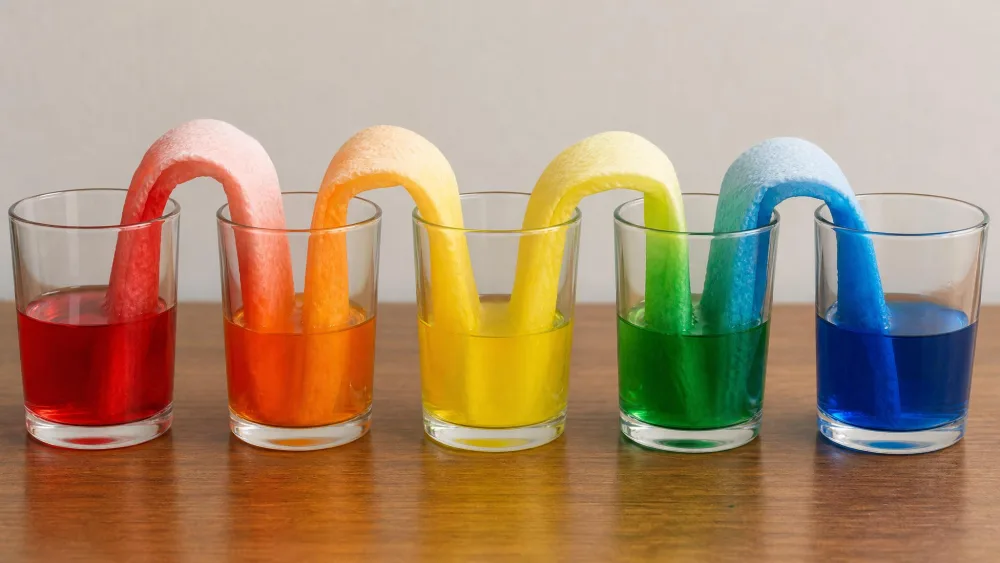
Bridge glasses of colored water with empty glasses using folded paper towels. Capillary action climbs the fibers and blends each pair into a new color; we dip only half of each strip, or the color has nowhere to climb.
Coffee Filter Chromatography Art
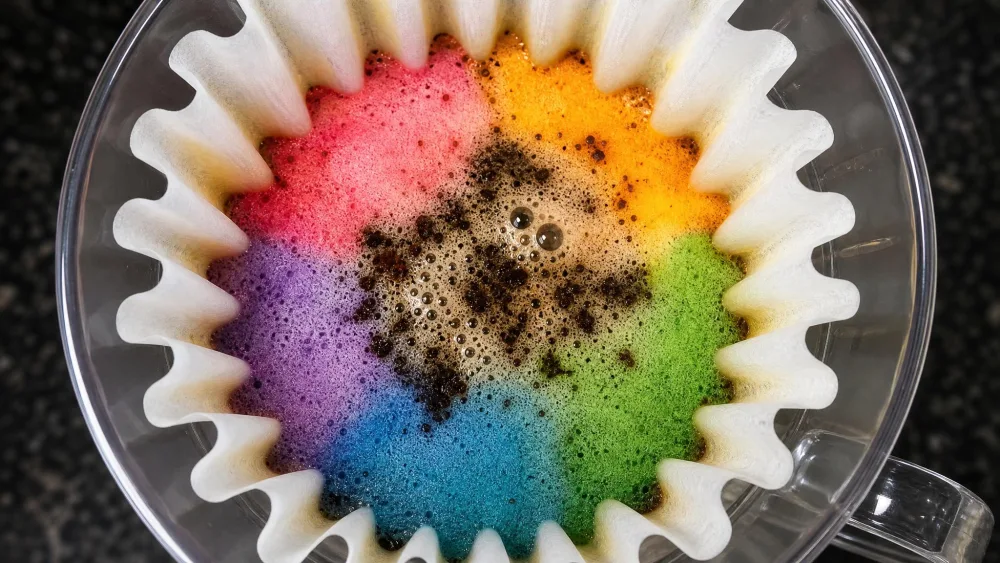
Color a coffee filter with washable markers, then drip water at the center. Each dye travels at its own speed, so one color splits into several; permanent markers won't move, and black and brown split the most.
Magic Milk Color Explosion
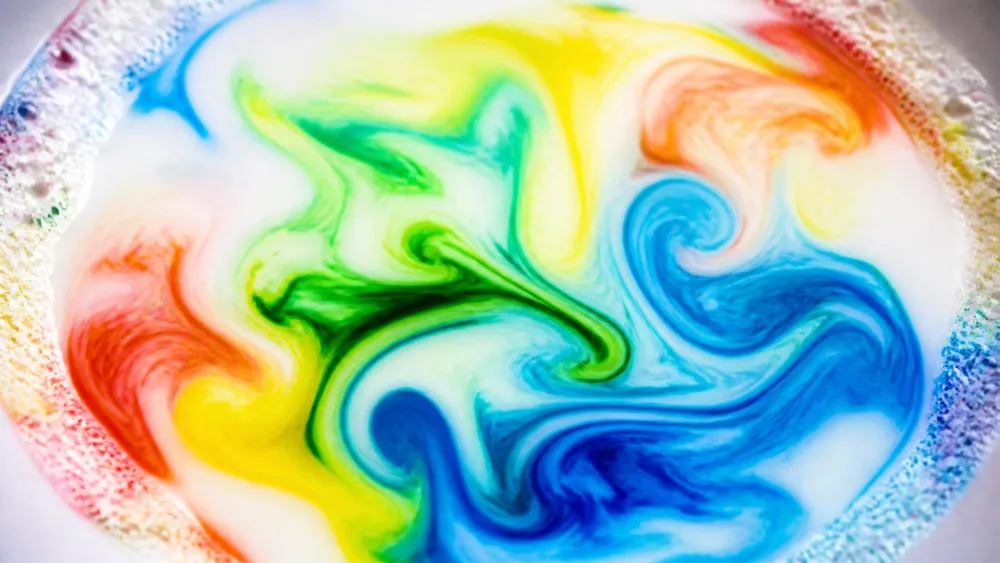
Pour whole milk into a dish, add liquid food coloring, and touch a soap-tipped swab to the surface. The soap breaks the surface tension and chases the fat into swirls; skim milk barely moves, so we always reach for whole. The Science Museum Group's milk-magic guide has the why.
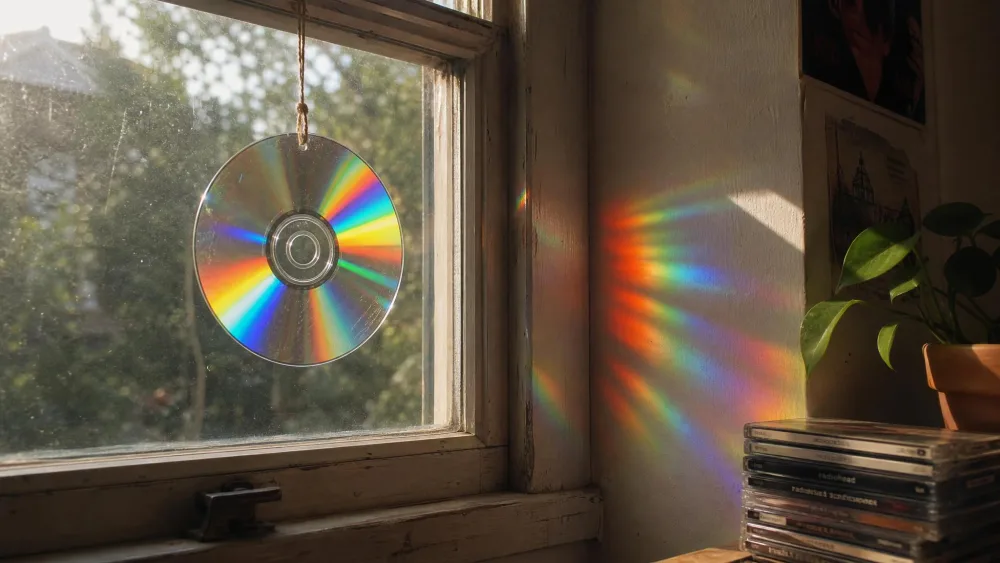
CD / Rainbow-Paper Suncatcher
Hang an old CD in a sunny window and decorate the rim. Its spiral grooves act as a diffraction grating, splitting white light into a spectrum that slides across the wall.
Chemical Reaction Science Art Projects
These run on reactions kids can see, hear, and smell, mostly the classic acid-base fizz.
Watch outA few steps need a grown-up. Boiling water for crystals, borax, and hydrogen peroxide all call for adult hands. For elephant toothpaste, stick to 3% peroxide, have kids wear safety glasses, and keep the foam away from eyes and mouths.
Fizzing Baking Soda & Vinegar Paint
Stir baking soda into washable paint, brush it on thick, and let kids drip vinegar over the top. The base and the acid react and release carbon dioxide, and that gas is the fizz you see and hear.
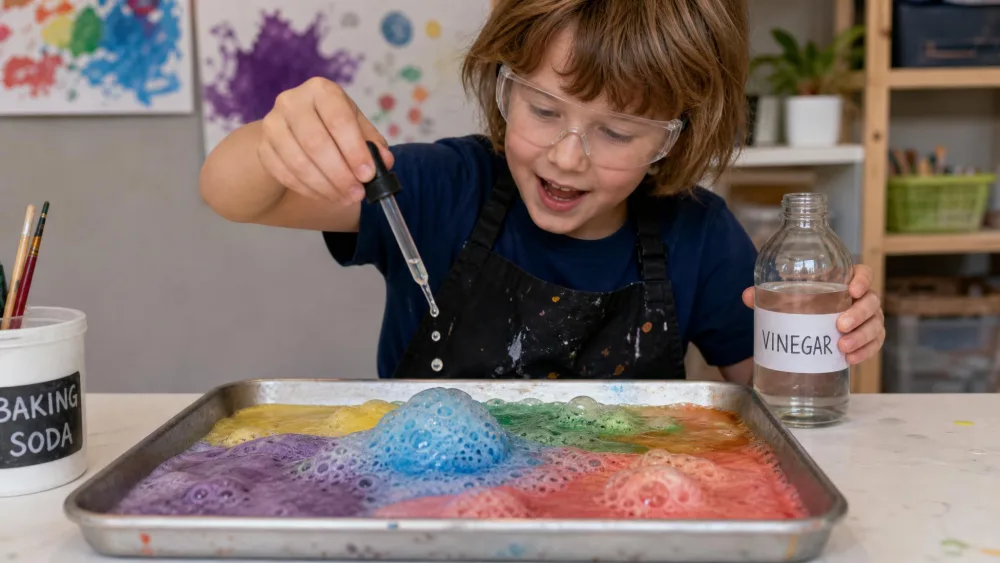
Erupting Color Volcano Painting
Mound baking-soda paint in the center of your paper, then drip in vinegar to erupt it. The same acid-base reaction sends colored foam overflowing down the sides.
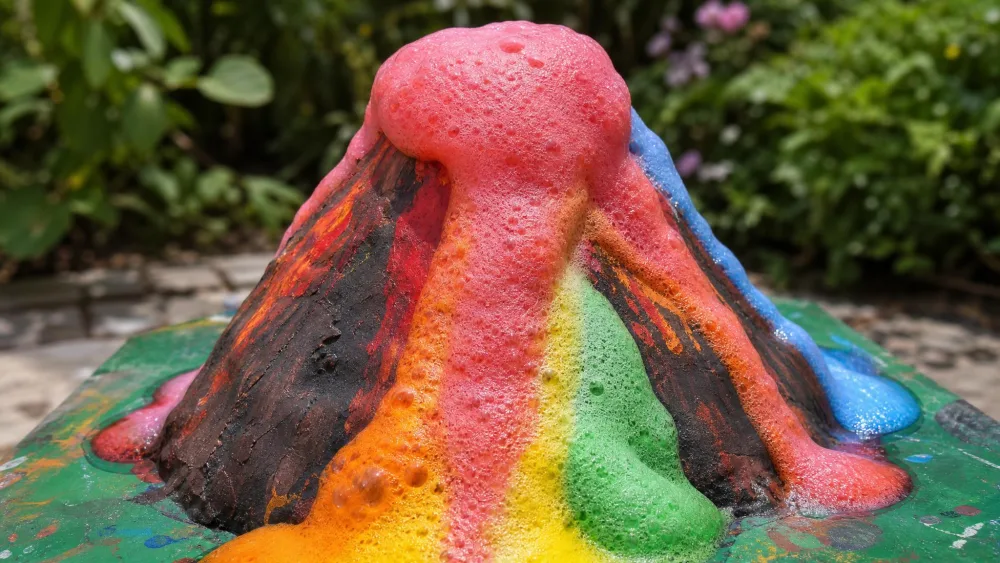
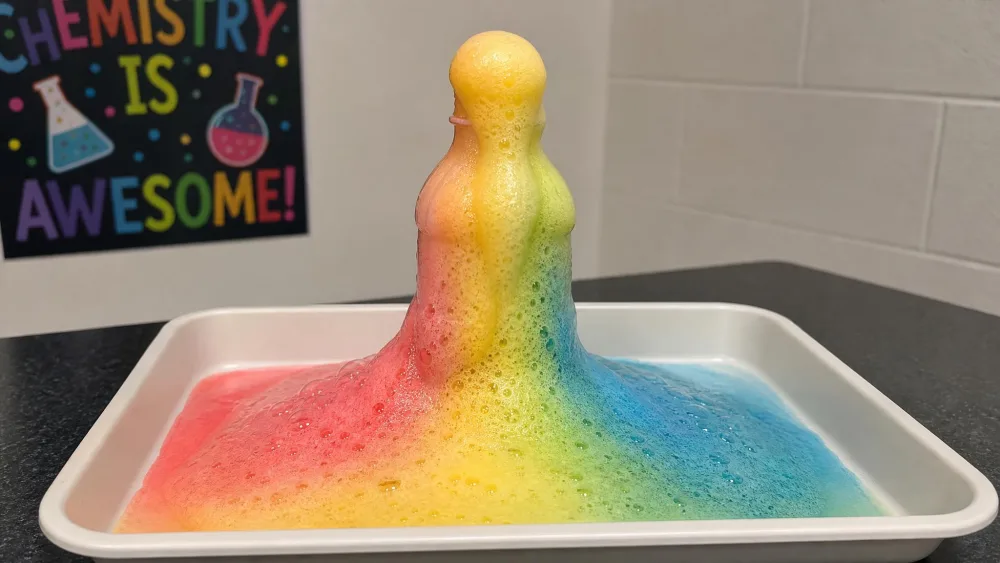
Elephant Toothpaste Foam Art
This one is a guaranteed gasp. Yeast breaks 3% hydrogen peroxide into water and oxygen, and dish soap traps it into a fast foam surge. Stand the bottle in a tall, high-lipped tray, since it foams over fast. See the USDA lab's elephant-toothpaste explainer.
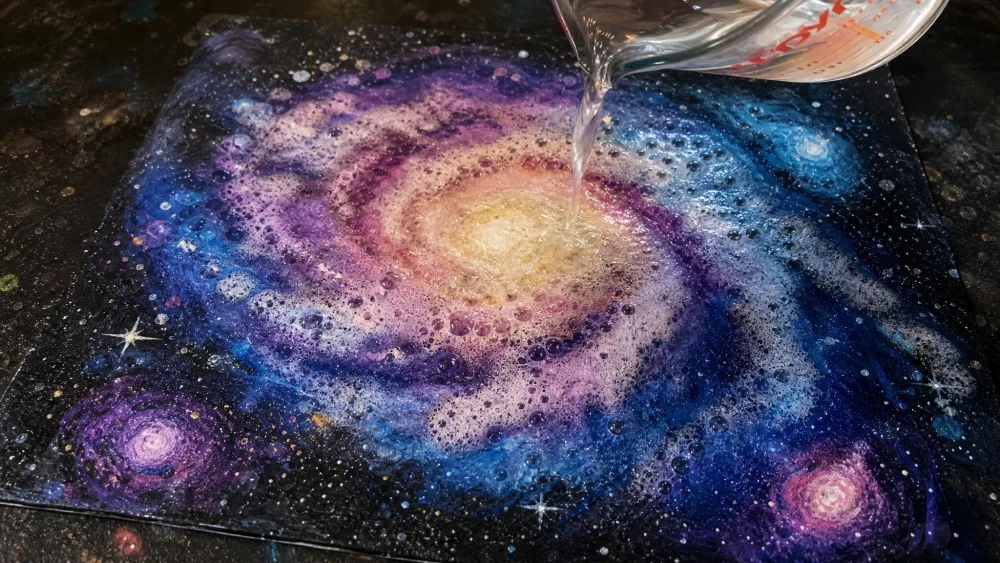
Baking Soda Galaxy Art
Paint a galaxy over a layer of baking soda, then drip vinegar across it. The acid-base fizz bubbles carbon dioxide over your stars for a slow, sparkling reveal.
Physics & Motion Science Art Projects
Motion and force do the painting here, from gravity to inertia to static charge. The science of balance and gravity pairs well.
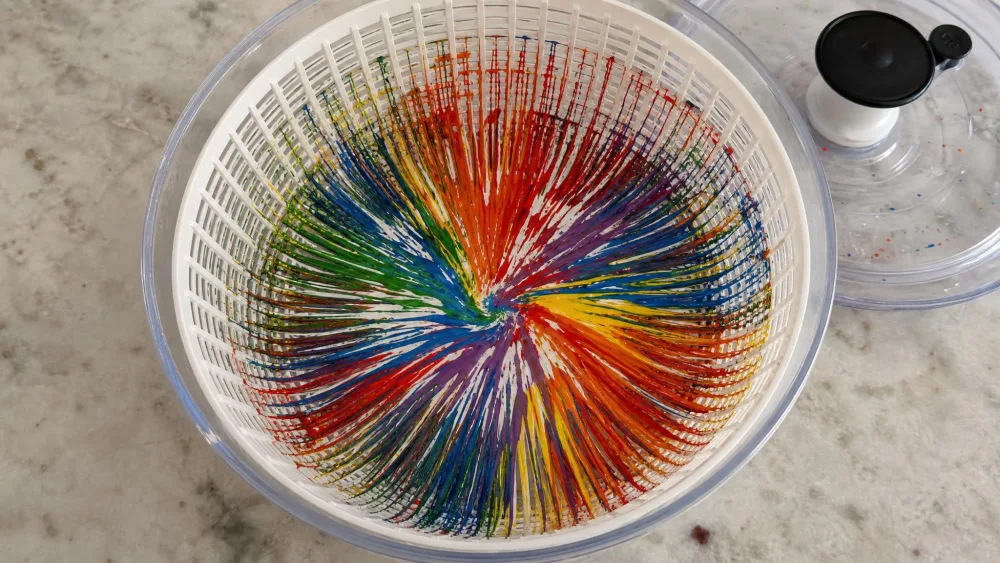
Spin Art (Salad-Spinner Painting)
Drop paper and a few squirts of paint into a salad spinner, close the lid, and spin. Inertia flings the paint outward into curved streaks, and every spin makes a different burst. Our five-year-old eyed the spinner warily, then begged for a turn after one demo. Pulling the lid off to a fresh pattern is the hook, and latched shut it keeps the paint inside, almost mess-free.
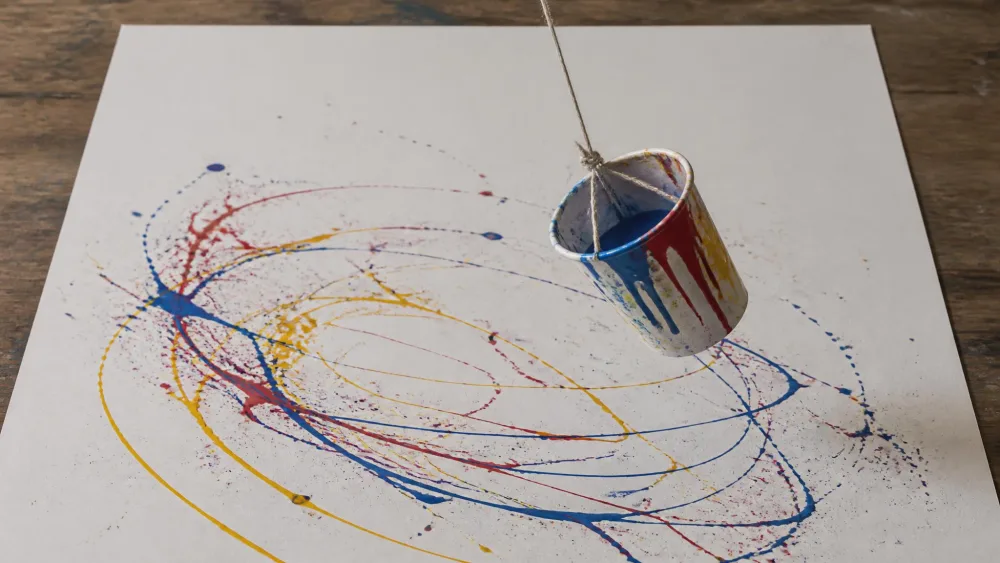
Pendulum Painting
Hang a cup of paint from a string, poke a hole in the bottom, and push it over paper on the floor. Gravity and momentum trace looping ellipses that spiral smaller as the swing slows. Setup ran about twenty minutes against ten of actual painting, so we build the rig ahead. The slowing spiral mesmerized our kids, though the youngest wandered off while our eight-year-old kept aiming to make a shape.
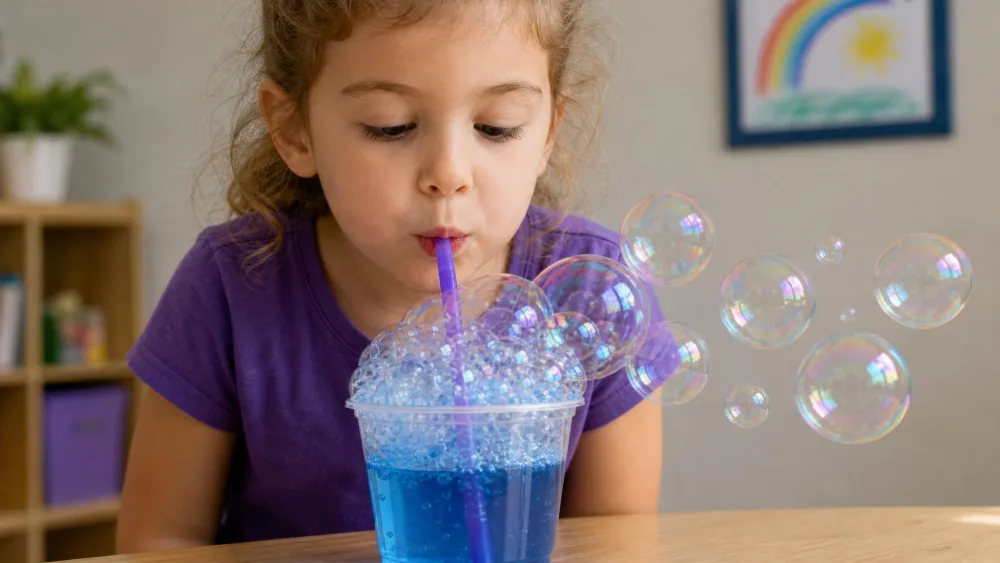
Straw-Blown Bubble Painting
Add dish soap and paint to a cup, blow through a straw until bubbles rise over the rim, then press paper on top to print them. Kids suck instead of blow at first, so cut a small hole near the top of the straw and use non-toxic tempera. The Franklin Institute's bubble science explains the domes.
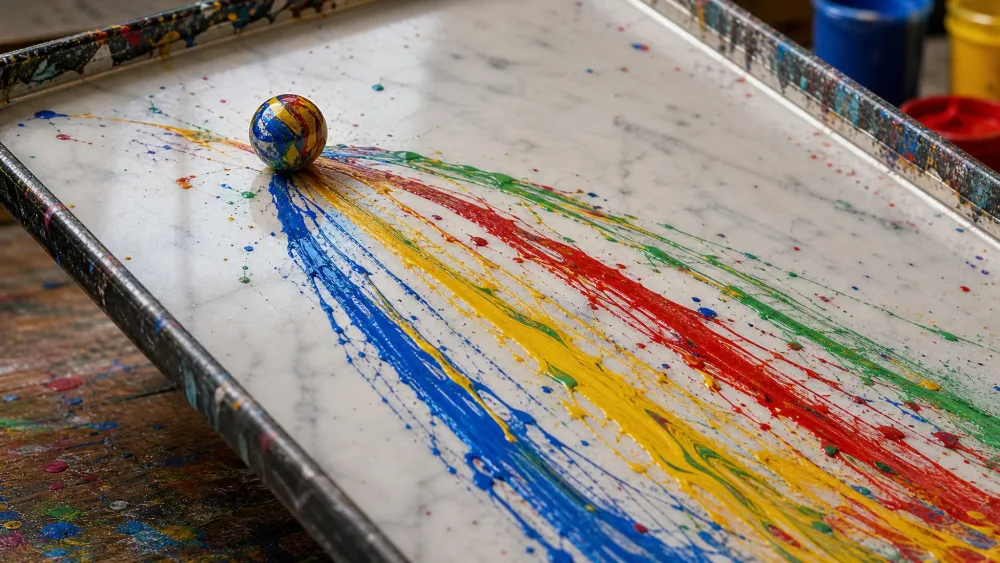
Marble-Run Painting
Line a tray with paper, drop in a paint-covered marble, and tilt it to send the marble rolling. It traces force and motion in paint; watercolor is too thin, so use tempera and corral the marbles. Science World's marble-painting activity has variations.
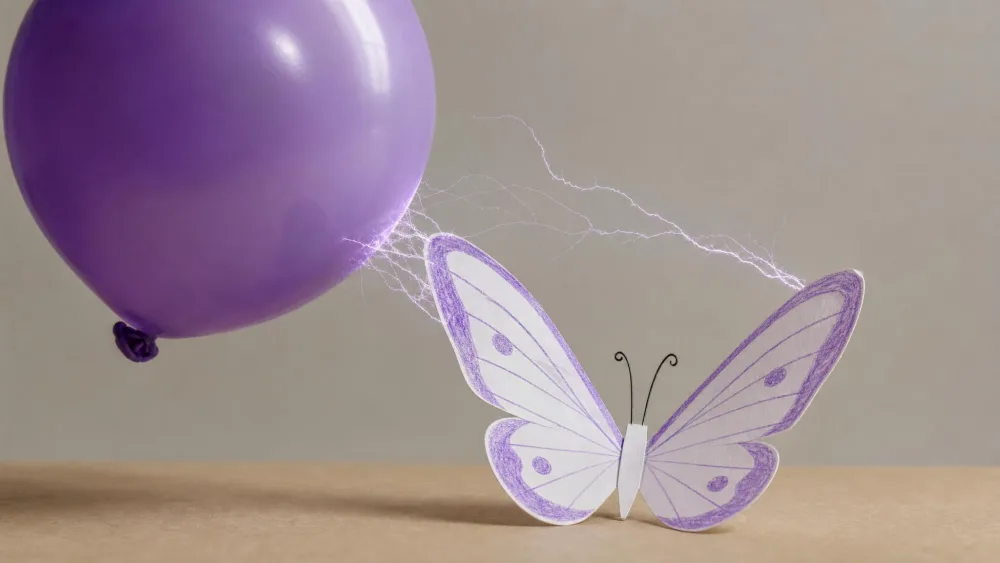
Static Electricity Butterfly
Cut a light tissue-paper butterfly, tape the body down, and free the wings. Rub a balloon on your hair and hold it close; the negative charge pulls the wings up. It flops on humid days, so try it when the air is dry.
Nature & Biology Science Art Projects
These bring biology outside, using real leaves, petals, and sun. They pair with our nature art projects for kids.
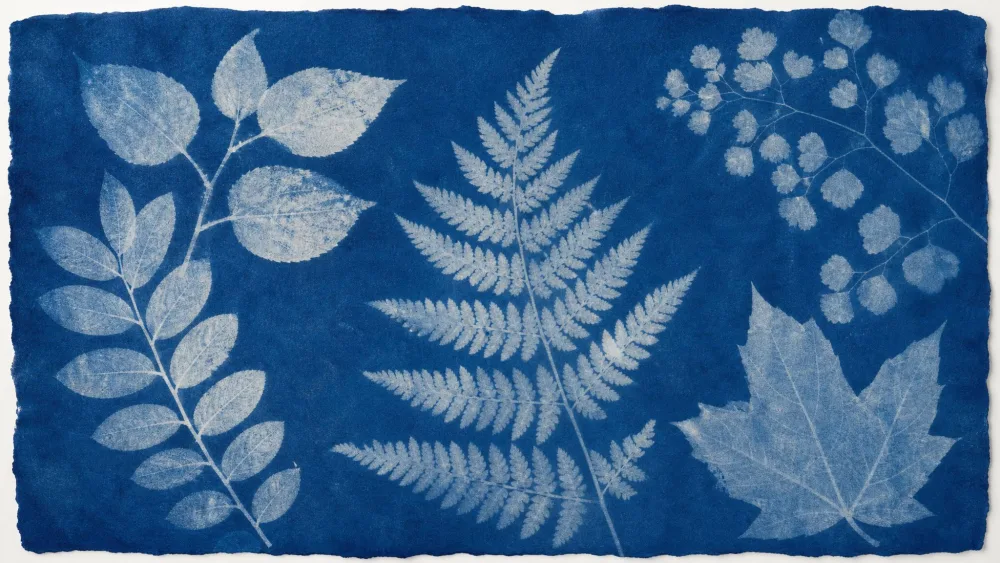
Sun Prints (Cyanotype Art)
Arrange leaves on light-sensitive paper and set it in direct sun; exposed areas turn deep blue while covered shapes stay pale. A plain-water rinse flips the image, and that reveal is the best part. Pick a calm day so wind doesn't blur it. Bright sun takes minutes, an overcast day up to half an hour.
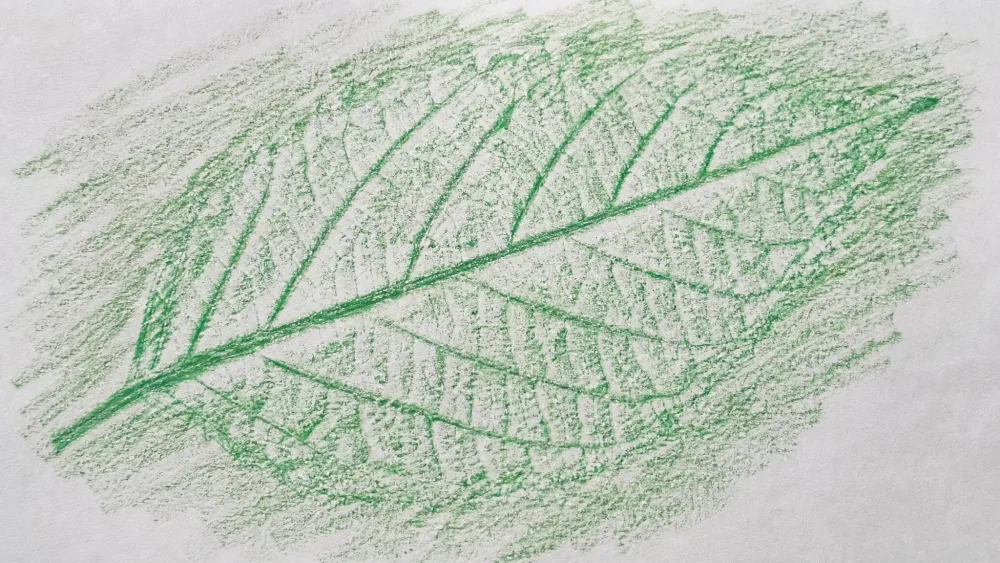
Leaf Rubbings
Lay a leaf vein-side up under a sheet of paper, then rub the side of a crayon over it. Color catches only on the raised veins, so the leaf's texture map prints through.
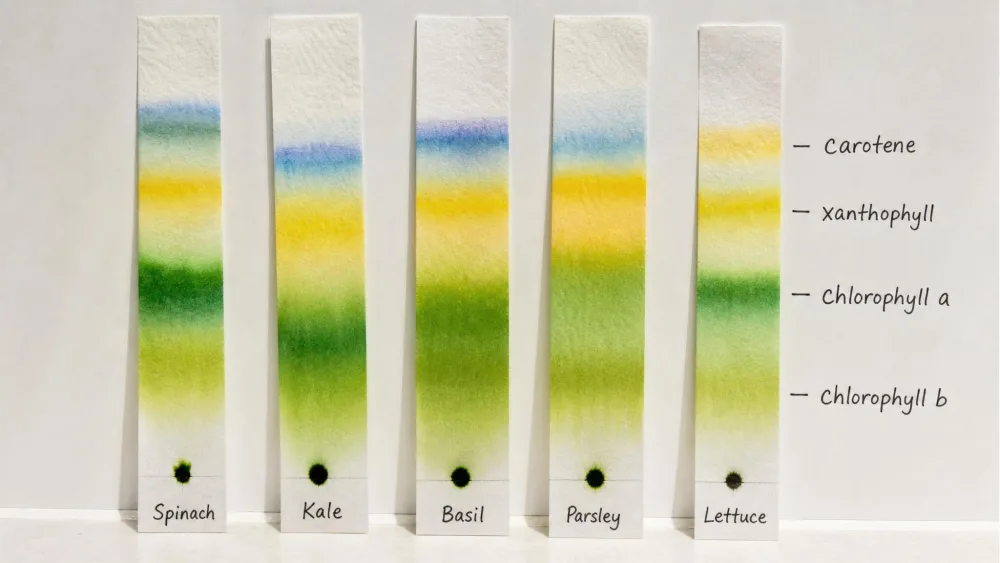
Leaf Chromatography Art
Soak torn leaves in rubbing alcohol, then stand a strip of filter paper in the liquid. As the alcohol climbs, it splits the pigments into green chlorophyll, yellow xanthophylls, and orange carotenoids, the hidden colors of fall.
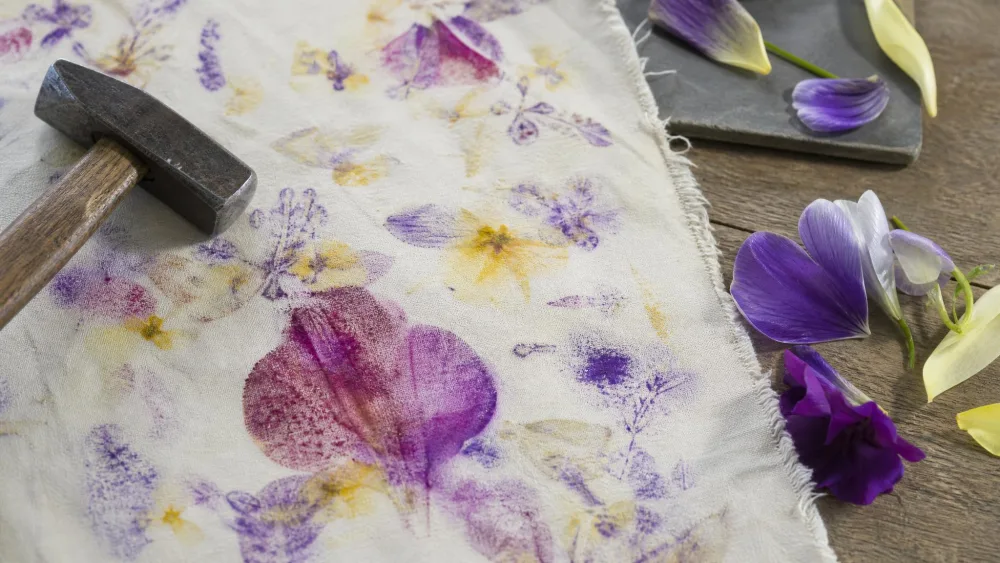
Flower Petal Fingerpaint
Fold fresh petals and leaves inside a sheet of paper or cloth, then tap them with a hammer to pound the color out. The plants' own pigment prints straight onto the surface, a technique called hapa zome.
Space & Astronomy Science Art Projects
Bring the night sky indoors with jars, glow paint, and pinholes. NASA's space-science activities are a great launch pad.
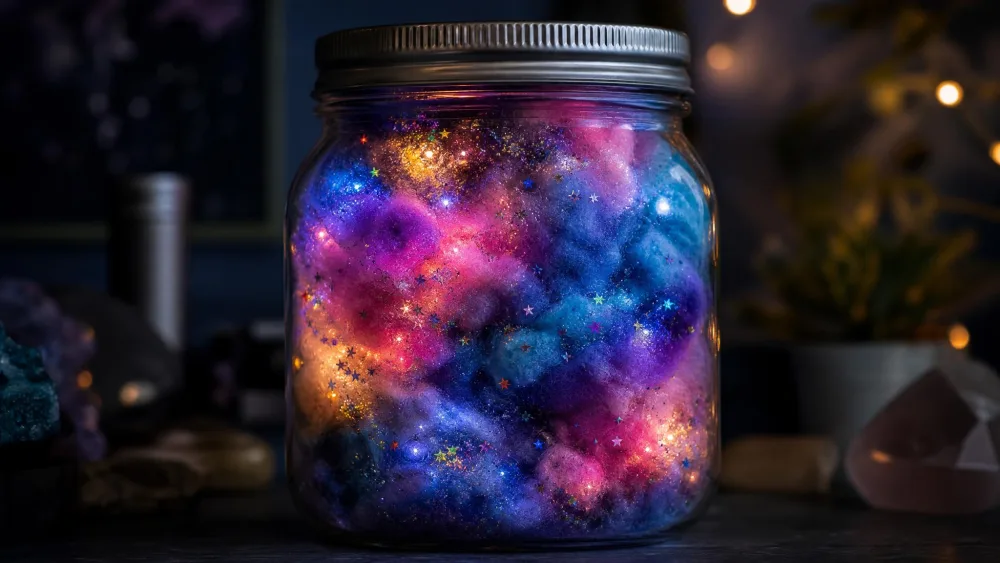
Galaxy Jars
Layer stretched cotton balls, colored water, and glitter in a jar to fake a nebula. Over-soak the cotton and it turns watery, so add just enough color and wipe the rim before the lid. PBS Parents' galaxy-in-a-jar guide shows the layers.
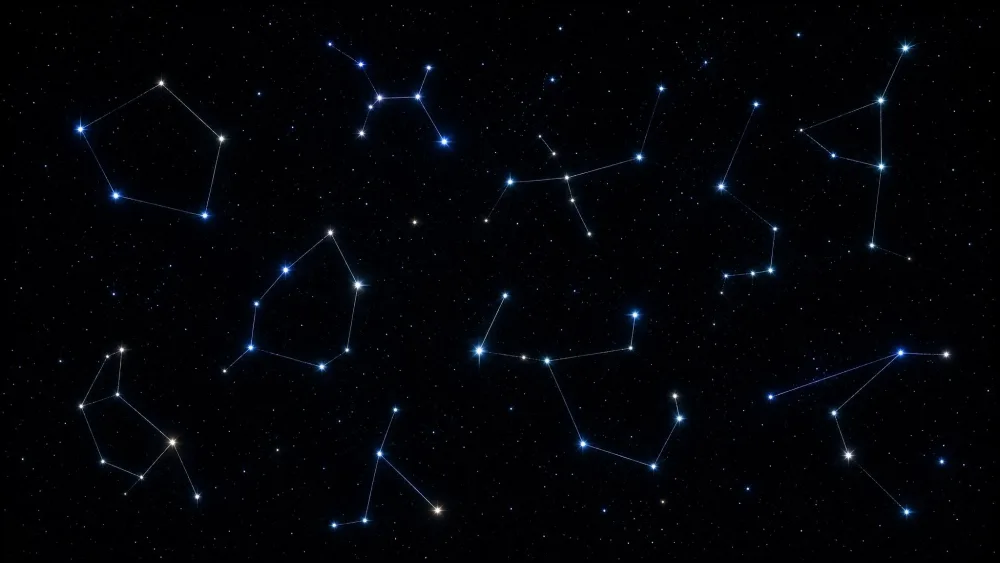
Glow-in-the-Dark Constellation Canvas
Paint a constellation in glow paint on a dark canvas, then charge it under a lamp. The phosphors soak up light and release it slowly once the room goes dark; how long it glows depends on the paint, and strontium-aluminate versions can last hours.
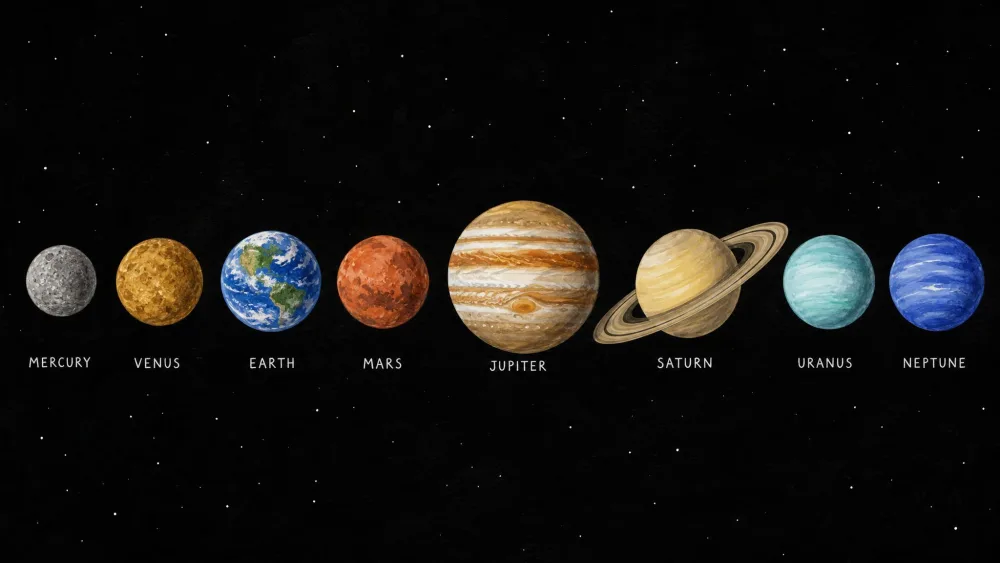
Painted Planets
Paint the eight planets in order, from Mercury nearest the sun out to Neptune, across a long strip. Getting the sizes right is half the science, since Jupiter is the largest and Mercury the smallest.
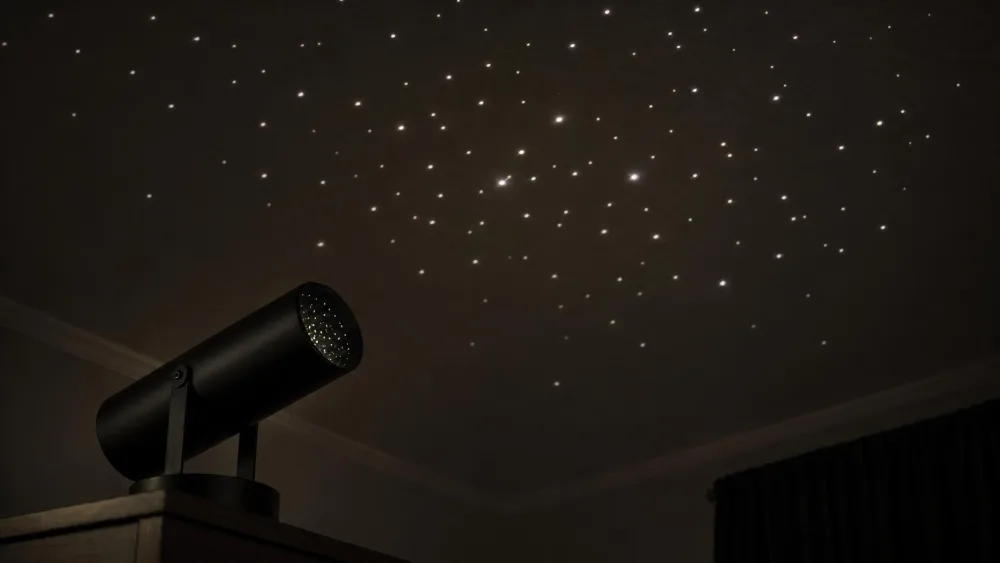
Constellation Viewer
Poke a star pattern into the cap of a cardboard tube, aim it at a light, and project the constellation onto the ceiling. Punch the holes as a mirror image so the pattern lands the right way around.
Crystal & Growing Science Art Projects
These take patience, and the payoff is real crystals your kids grew themselves. Most need an overnight wait and a grown-up for the hot water.
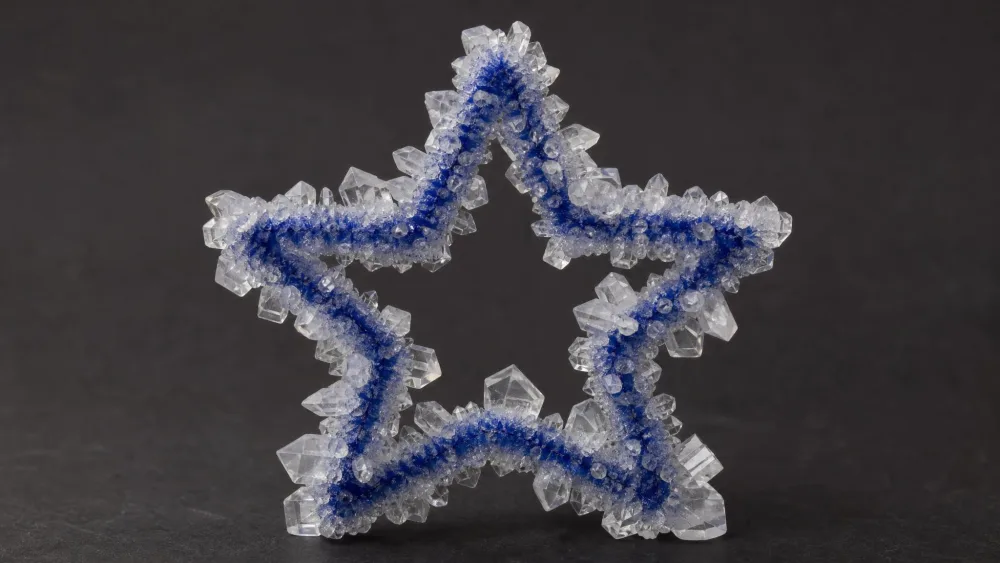
Borax Crystal Suncatchers
Bend a pipe cleaner into a shape and hang it in a jar of hot borax solution: 3 tablespoons of borax per 1 cup of boiling water. As it cools overnight, crystals grow on the shape. We keep it suspended off the sides and never jostle the jar, or you get one crusty mass.
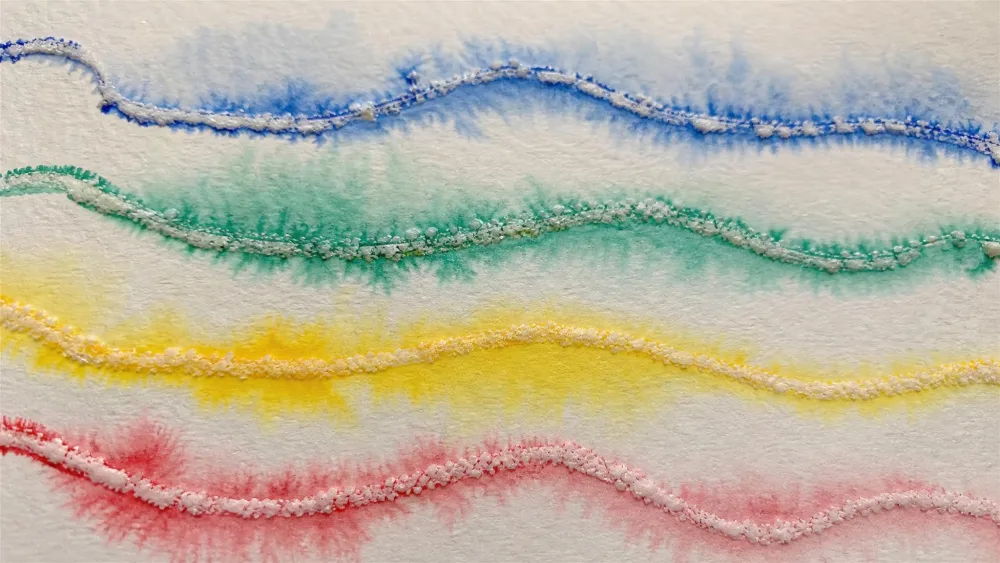
Salt Crystal Painting
Squeeze glue into lines on cardstock, sprinkle salt along the wet glue, then touch liquid watercolor to the salt. The color wicks along the grains by capillary action. Drop it on right away or the salt clumps, and slip cardboard underneath since water seeps through.
Crystal Egg Geodes
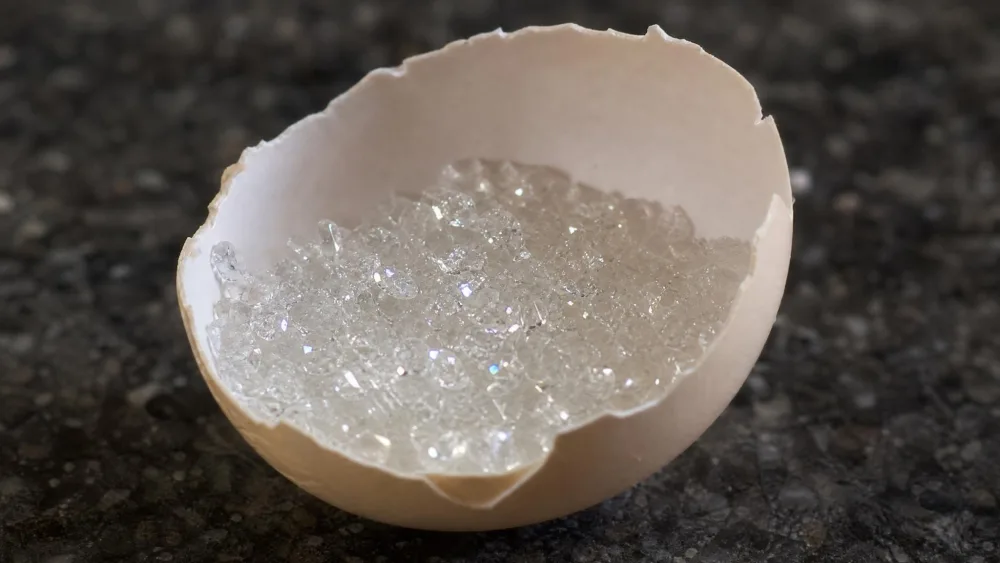
Rinse out half an eggshell, brush the inside with glue and crystal powder, then rest it in a supersaturated borax, alum, or Epsom-salt solution. As it cools and evaporates, crystals build up inside, with alum the sharpest; growth runs overnight-ish. Science Bob's eggshell-geode walkthrough covers timing.
Grow-a-Rainbow
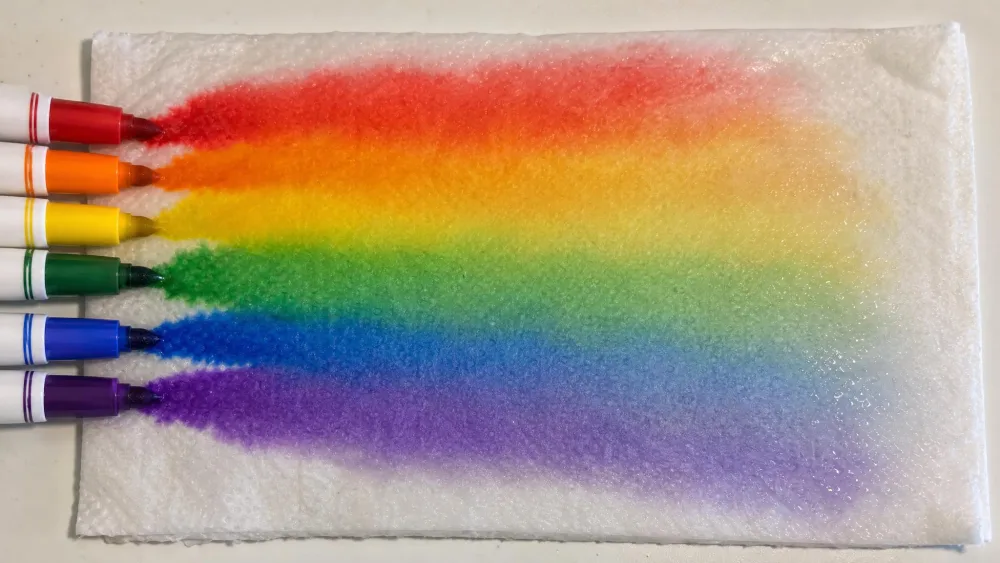
Draw washable-marker stripes on each end of a paper towel strip, then dip only the tips into two cups of water. Capillary action carries the pigments up and across until the halves meet. Dunk the whole band and it fails, so dip just the tips; it connects in about 10 to 15 minutes.
Tips for Setting Up Science Art at Home or in the Classroom
Cover the table first. A plastic cloth or a rimmed tray saves the most cleanup and lets kids get properly hands-on. Prep the messy steps yourself: pour the peroxide, boil the borax water, poke the pinholes. Run one project at a time, and say yes to the redo, because the second try is where kids test what changed.
Frequently Asked Questions
What age range are science art projects best for?
Most work for ages 3 and up, scaled to the kid. Little ones love the messy reactions like magic milk and fizzy paint; older kids handle the measuring and patience that crystals and chromatography need.
What's the easiest science art project to start with?
Grow-a-rainbow or walking water. Both use just markers, paper towels, and water, make almost no mess, and start moving within minutes.
What's the difference between STEM and STEAM?
STEM is science, technology, engineering, and math. STEAM adds an A for the Arts, so an experiment becomes something kids actually want to make.
What basic supplies do I need to get started?
Washable markers, food coloring, dish soap, baking soda, vinegar, coffee filters, and paper towels cover a dozen of these. Add liquid watercolors, borax, and pipe cleaners for crystals.
Can these be done in a classroom, homeschool co-op, or family setting?
Yes, they scale up easily. Set out trays, prep the messy steps ahead, and let kids rotate through stations at their own pace.
Final Thoughts: Keep the Science + Art Fun Going
The best part is the question that follows: why did that happen, and what if we change one thing? Rotate through a new cluster each week, and let your kids pick the next one. The supplies overlap, the science builds, and the fridge fills up fast. Keep a few ready for the next time curiosity strikes.