The Best Art Supplies for Kids: Our Family's Tested Favorites
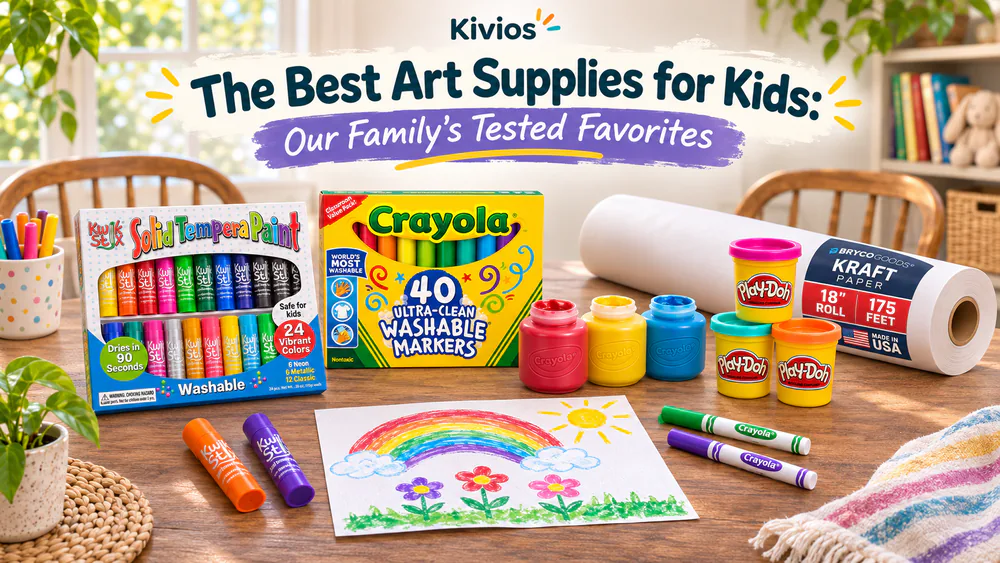
Every parent eventually stands in the craft aisle, or scrolls a never-ending list of sets, and wonders what is actually worth bringing home. Most supplies look the same on the box, and few lists tell you which ones survive a real kitchen table. We sort through it here, category by category, from crayons and paint to clay, scissors and storage. For us, the best supplies are washable, easy to clean up, and simple enough that little hands can use them without a grown-up hovering.
Our quick picks
How We Chose These Art Supplies
We started with what a family actually needs: something that cleans up, that suits a range of ages, and that a child will return to on a normal afternoon. Then we narrowed each category to three picks and checked product details, age guidance and safety labeling against listing copy and ACMI guidance.
Our 5-year-old and 8-year-old did the testing at the kitchen table, over many afternoons of ordinary drawing, painting and building. We watched what cleaned up easily, what tore or dried out, and what the kids kept reaching for.
Best Crayons, Markers and Colored Pencils
Drawing tools come first because they are where most families start, and they are the supplies that get used every single day. These three cover chunky first crayons, washable markers, and a step up in detail. If your child likes bathtub or whiteboard drawing too, see our guides to the best bathtub markers and the best dry erase markers for kids.
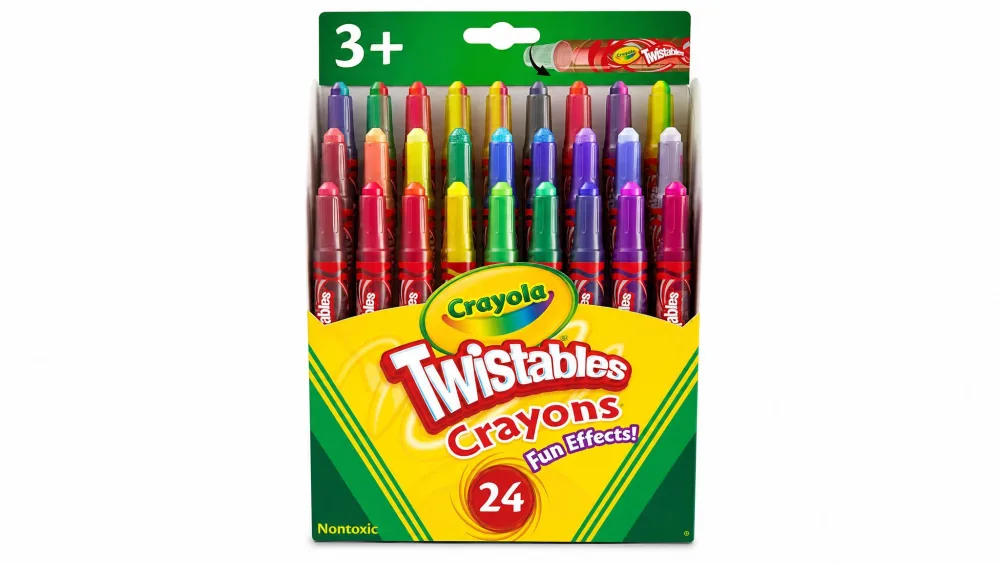
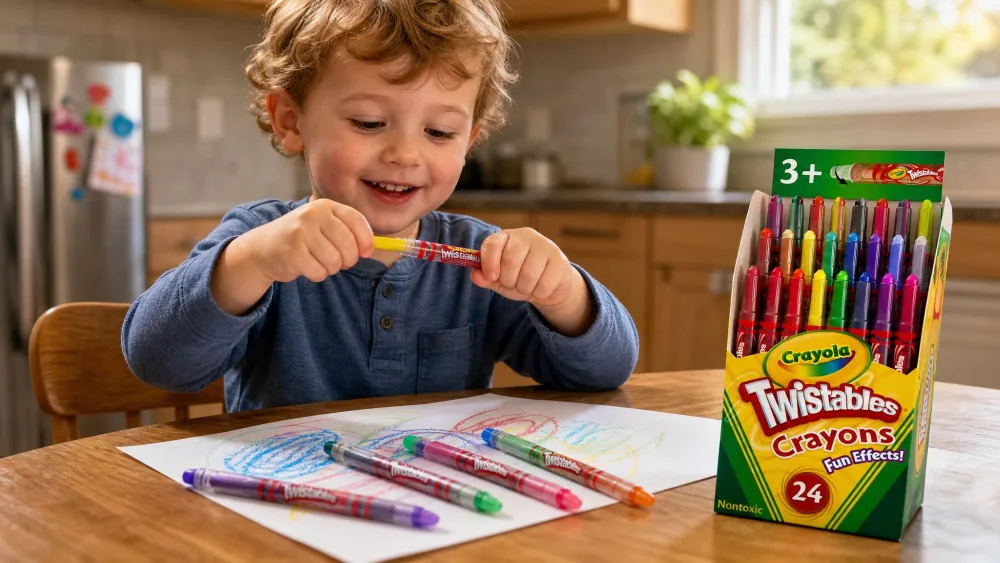
Crayola Twistables Crayons (24 Count)
These twist-up crayons never need sharpening or peeling, so a toddler can twist up a color and twist it back down when finished. Some sets arrive with a barrel that snaps or a color that looks pale. The listing does not say these are washable, so use them on paper and save washable markers for projects where marks might stray onto walls.
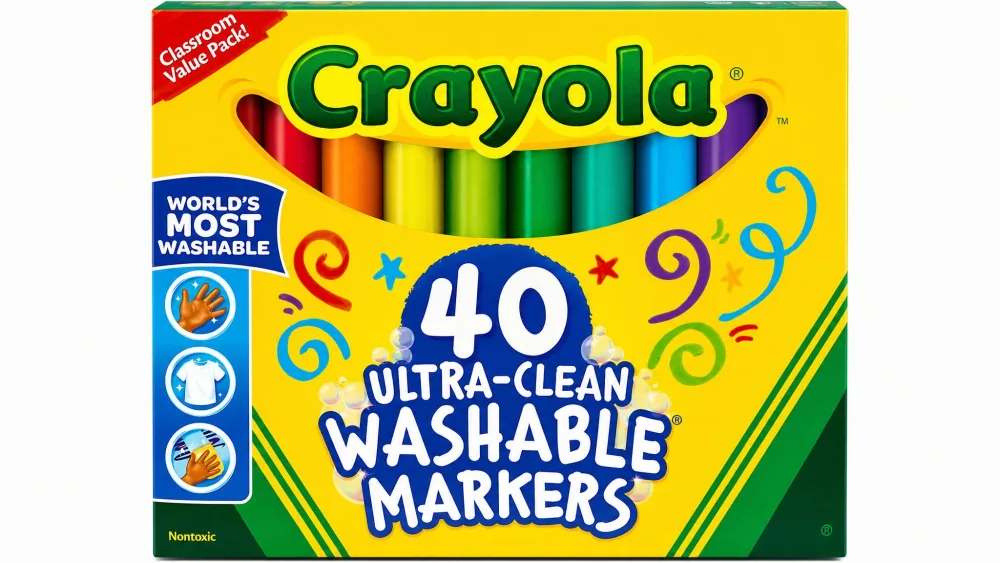
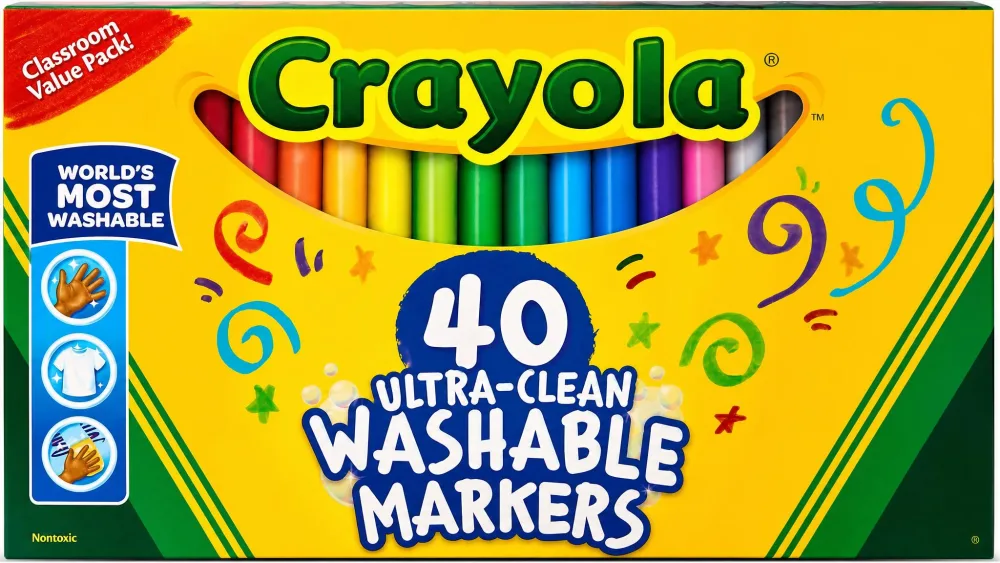
Crayola Ultra Clean Washable Markers (40 Count)
Broad-line washable markers suit a table that is going to get colored on. The ink wipes off floors, hands and most walls with ease, and the listing says it washes from skin, washable clothing and most painted walls. Dark blue and similar shades need a bit more scrubbing on skin. The tips hold up to heavy pressing, though the ink runs out faster than you might expect with daily use. For more options, read our best washable markers for kids guide.
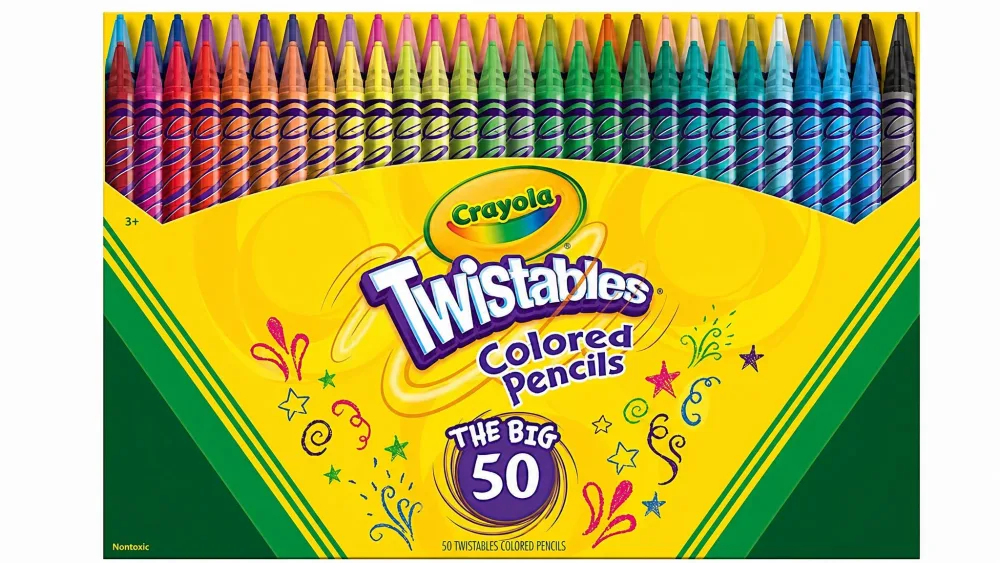
Crayola Twistables Colored Pencils (50 Count)
When an older kid wants more detail than a crayon allows, these twist-up pencils are the step up. They need no sharpener and no peeling, and they beat crayons for small lines and shading. The downsides are real. Loose pencils slip out of the tray, the box bottom can pop open on day one, and many colors look alike and blend poorly. Keep them in a tin or caddy and they work well.
Best Paints and Paint Sticks
After drawing tools, paint is the messiest category, so it is where washable labels matter most. Liquid paint suits the days you are ready for mess, and paint sticks suit the days you are not. Our best washable paint for kids roundup goes deeper if paint is your main interest.
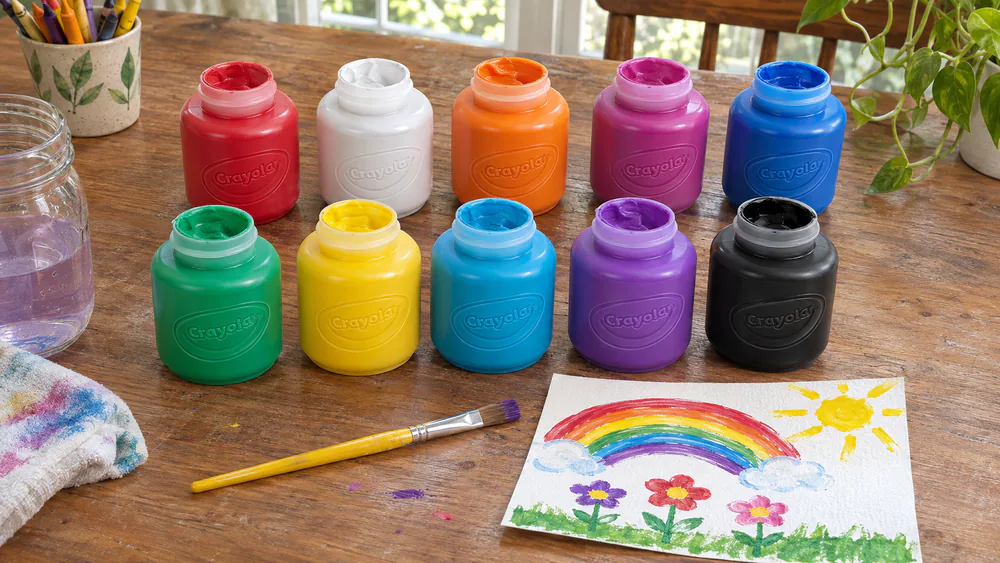
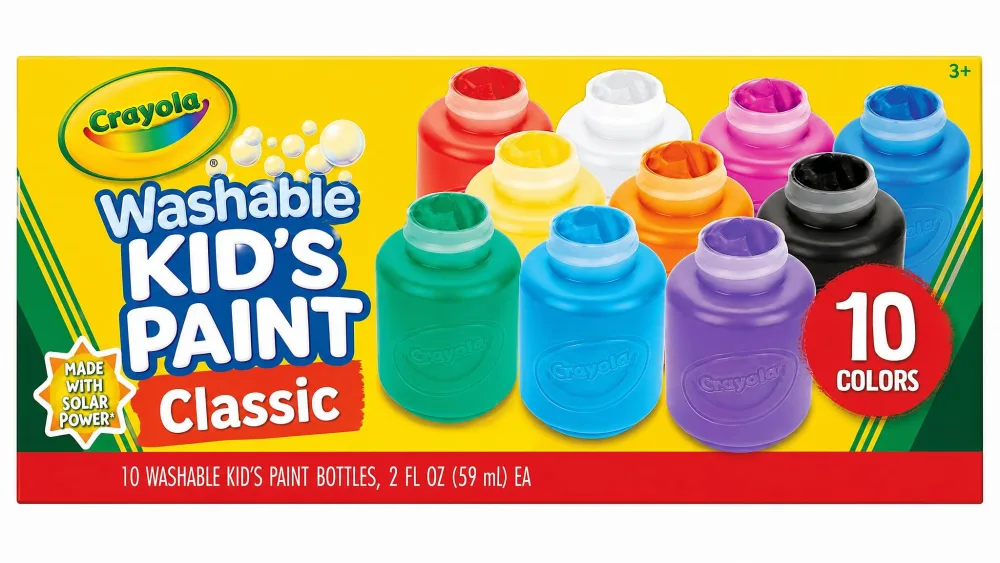
Crayola Washable Kid's Paint (10 Bottles)
The small bottles empty fast when our five-year-old paints, so expect to restock and pour paint into cups to make it last. The color is vivid, and it rinses out of skin and most clothing. This set has 10 classic-color bottles and is non-toxic for ages 3 and up, though some bottles have a noticeable smell.
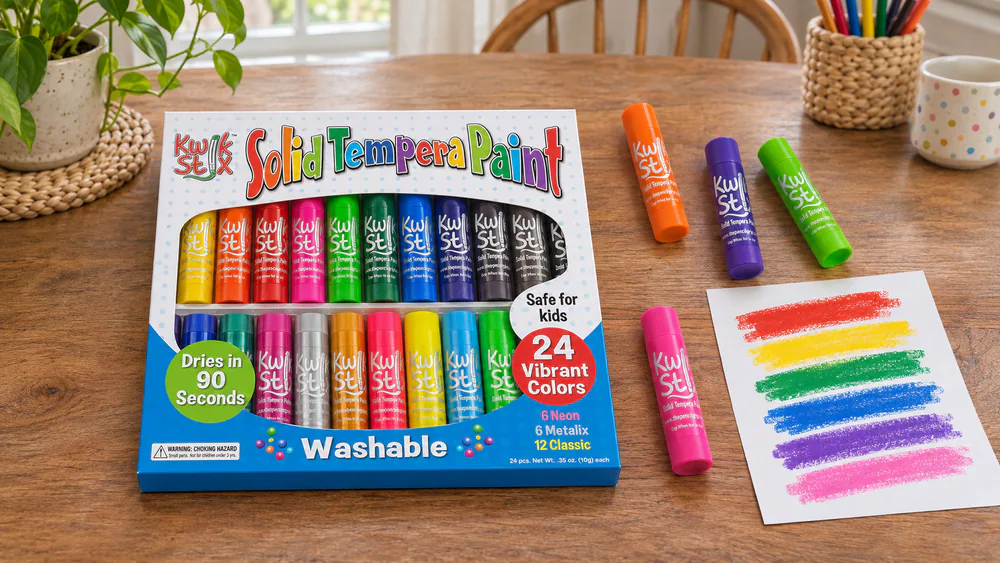
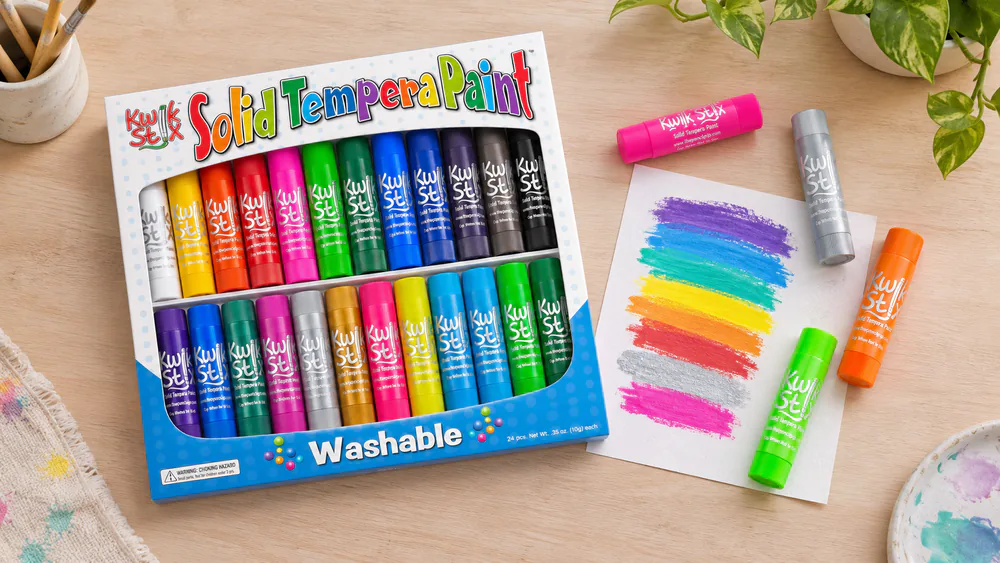
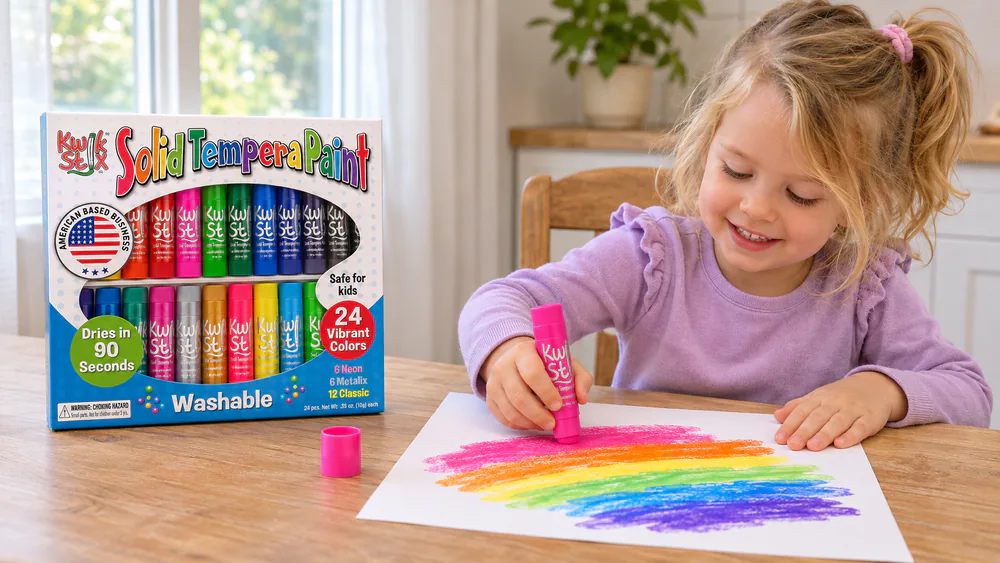
Kwik Stix Solid Tempera Paint Sticks (24 Colors)
Paint sticks answer the question of how to paint without the cleanup. They give rich color, dry fast, and layer and mix on the page. Because there are no cups to tip over, they are easy for little hands and toddlers. The 24-color set is non-toxic, carries the AP Seal, was tested by Duke Toxicology and is allergen-free.
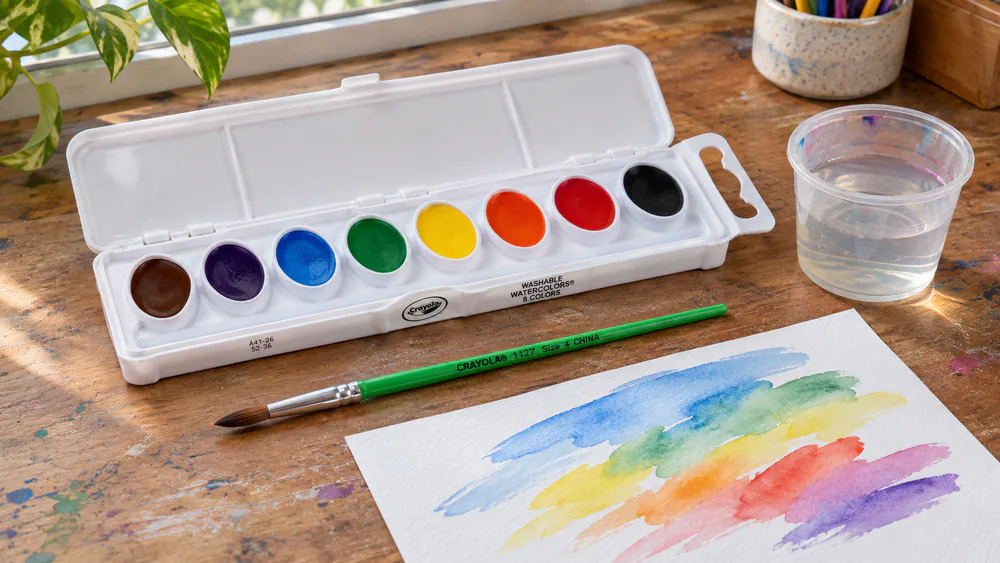
Crayola Washable Watercolors (8 Colors)
For ages 3 and up, this set of eight colors comes with one paintbrush. The colors are vibrant and wash out of skin and clothing. The pans fade faster than pricier brands, and one brush means arguments over sharing, so add a second brush. The removable color trays are a useful trick, because a child can use one row at a time for less mess.
Best Paper, Pads and Rolls
After paint, paper is the quieter category. Good paper makes cheap supplies look better, and bad paper makes good supplies frustrating. Three kinds of paper cover most projects: a roll for big ideas, a pad for pencils, and heavier paper for gluing.
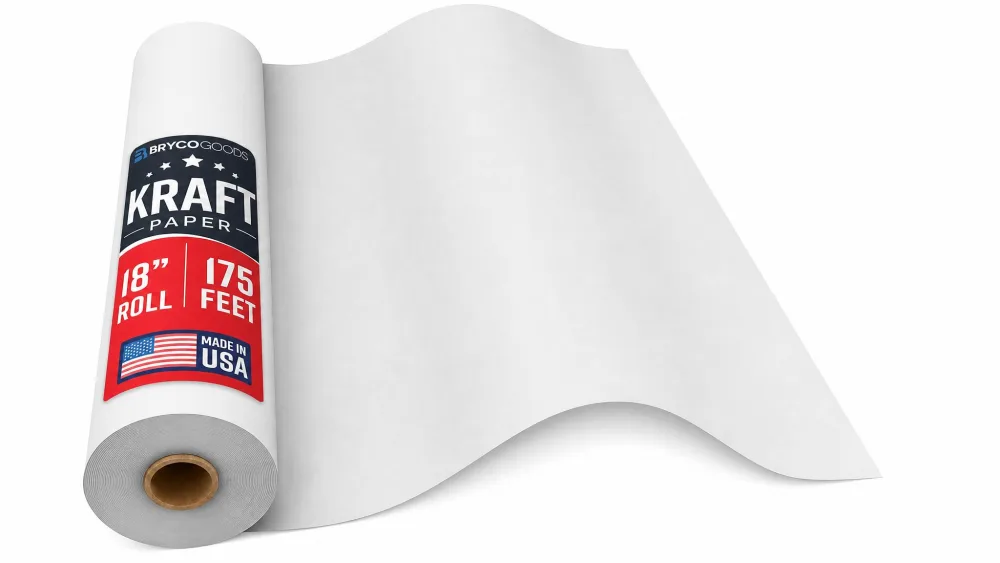
Bryco Goods White Kraft Paper Roll
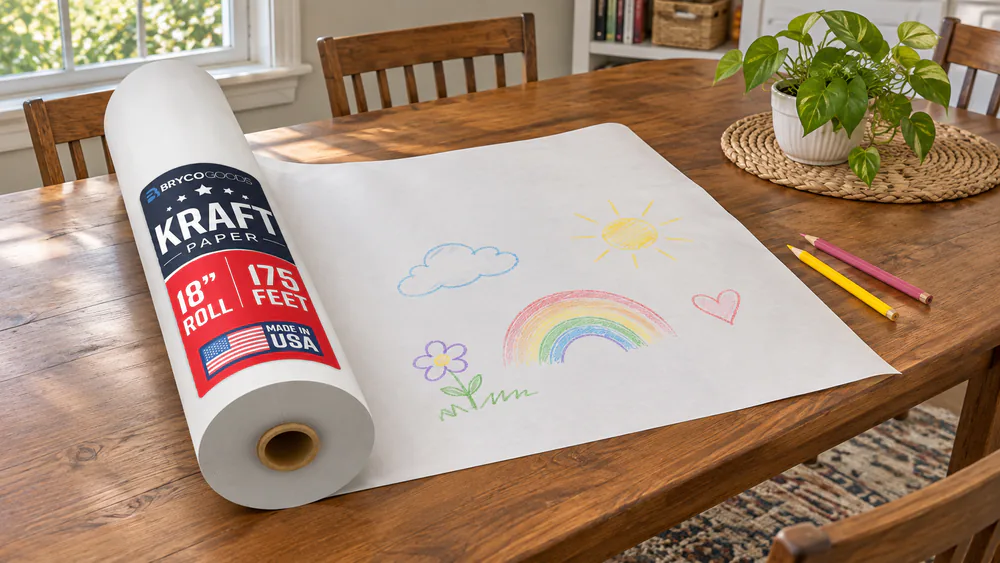
A big paper roll lets a child choose the length of their drawing, whether they want a long banner or a whole table cover. This one holds 175 feet, and the width is about 18 inches. It stands up to glue, tape and paint, and works as a table cover for doodling. Very heavy painting can make it feel thin, so use sticks or thinner paint on it.
Also worth having: a sketch pad and construction paper
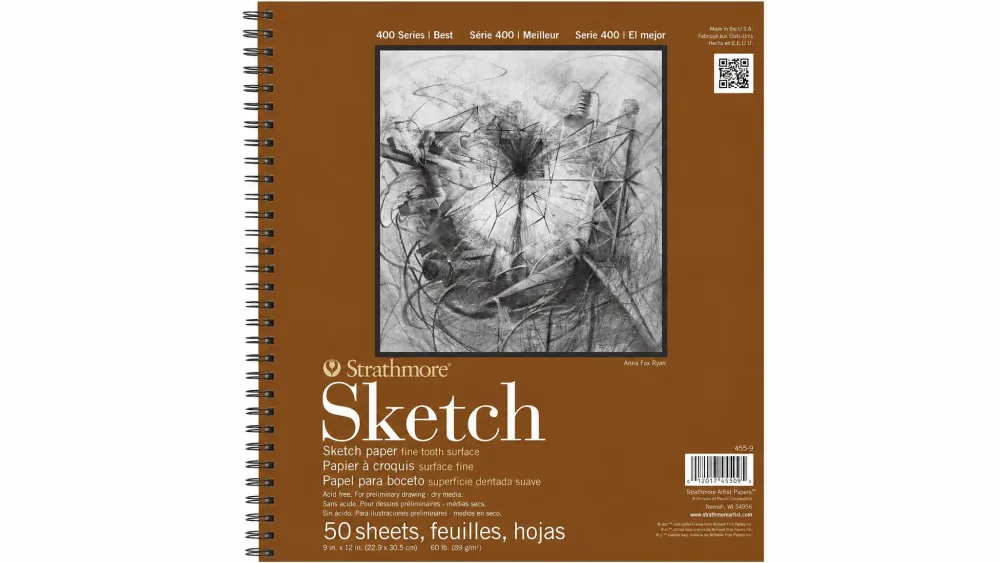
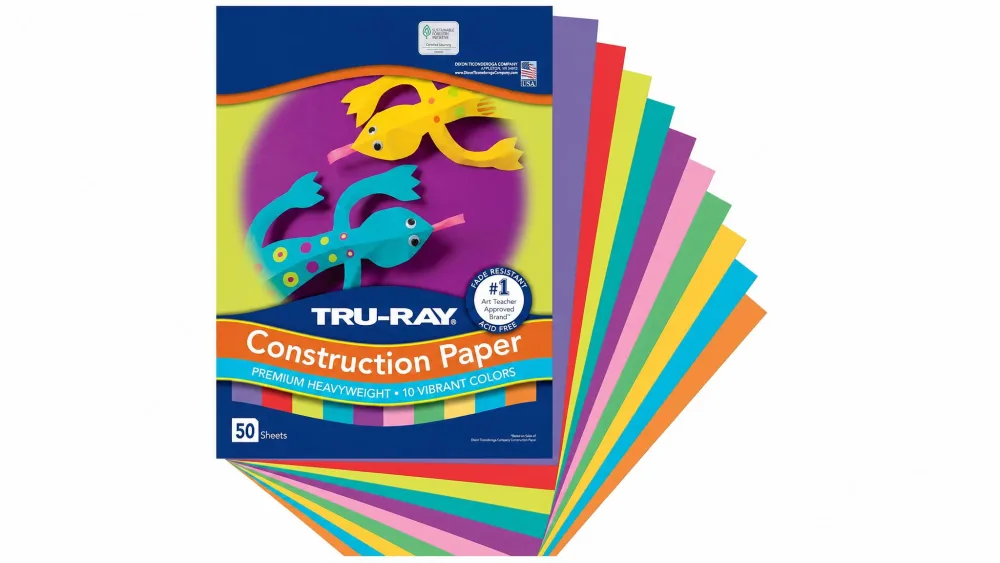
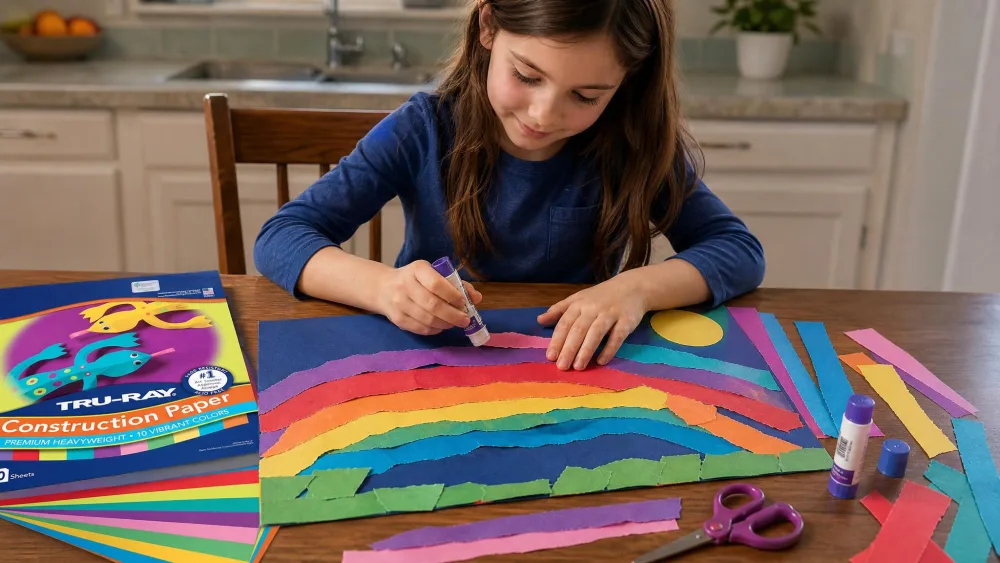
The Strathmore 9x12 inch pad has 50 sheets of general-purpose heavyweight sketch paper. It takes pencil well and is a good size to carry to the park or the car, but sheet thickness feels inconsistent from pad to pad, so do not expect it to handle wet paint. For gluing, the Tru-Ray pack has 10 colors in 9x12 inch sheets, 50 sheets in all, at a 72 lb weight with vat-dyed color. Gluing is where thin paper gives out, and this heavier paper holds glue and paint without warping or tearing.
Best Clay and Modeling Supplies
Where paint is loud, clay is slower. Clay is great for fine motor practice, and it keeps hands busy when paint feels like too much. Three types of clay suit different moods and ages.
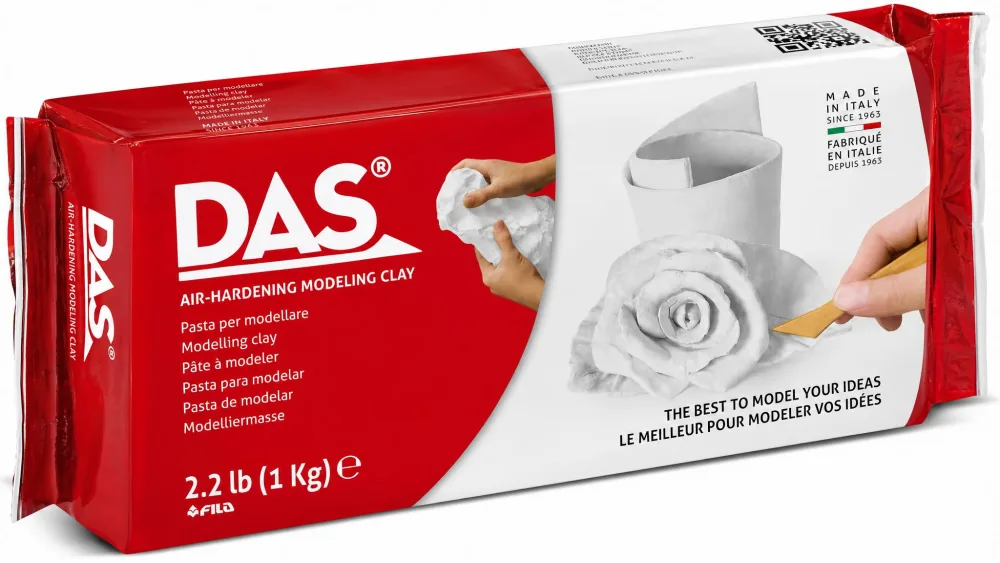
DAS Air-Hardening Modeling Clay (2.2 lb)
This white block of clay is 2.2 pounds, and needs no baking, which makes it a good first sculpting material. Air-dry clay is easy to work for beginners, but it can crack while drying and dry out in the block if it is not wrapped tightly. The listing does not give an age rating or a non-toxic label, so check the packaging yourself before handing it to a young child.
Play-Doh Modeling Compound (10-Pack)
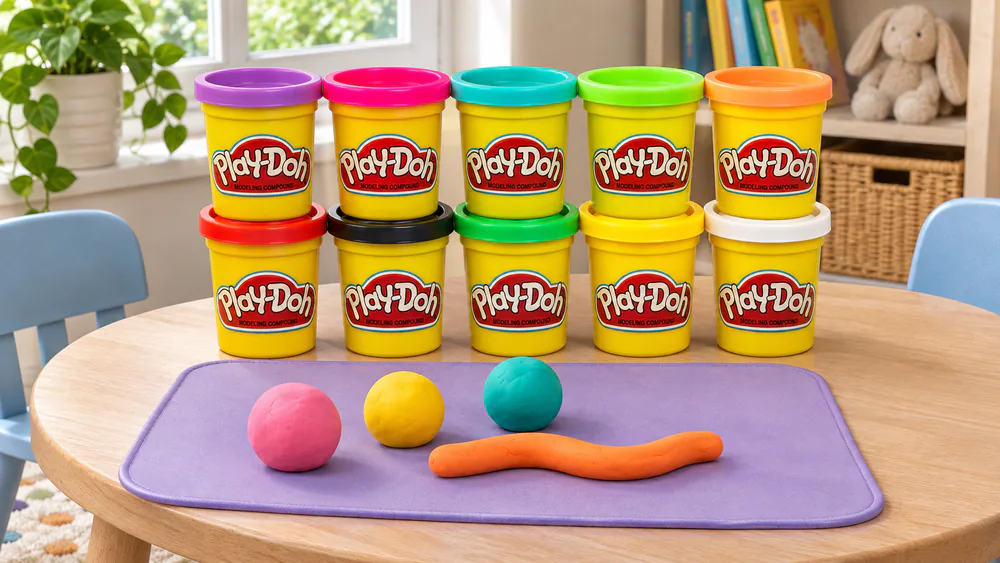
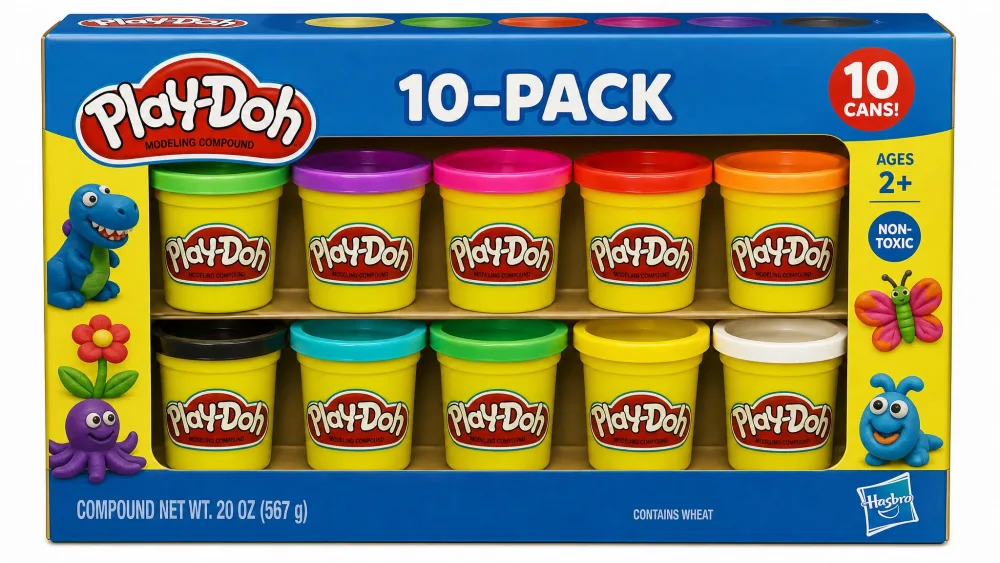
Play-Doh is the first modeling dough most families own, and it is non-toxic and made for ages 2 and up. This pack has 10 cans of 2 ounces each, so there are plenty of colors to mix. It is great for little ones squeezing and rolling, and it builds hand strength for writing later.
Crayola Model Magic White (4 Packs of 8 oz)
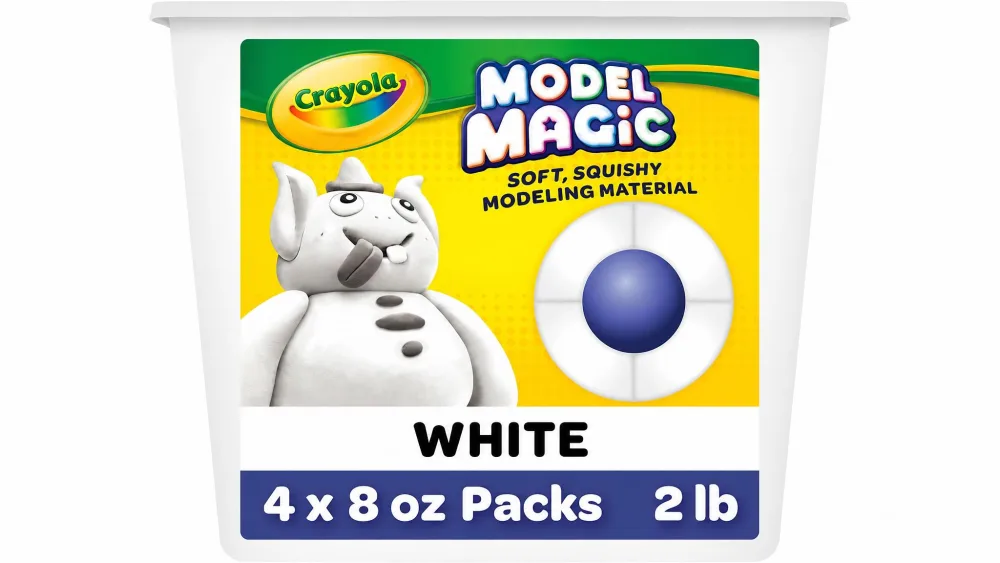
Model Magic is soft, squishy and lightweight, and it leaves little mess. This bucket holds four 8 oz packs of nontoxic, air-dry material that you can color with markers or paint. It can crack once dry, and drying time varies. It is only reusable if you keep it sealed in the bucket, because it hardens when left out. Older kids and tweens enjoy it for keychains, earrings and magnets.
Best Craft Basics: Glue, Scissors and Tape
Where clay and paint are the stars of the table, these supplies hold things together. They fade into the background until they fail. Scissors that will not cut or a glue stick that will not hold can bring a project to a stop, so these basics are worth choosing carefully.
Westcott 5-Inch Kids Scissors (2-Pack)
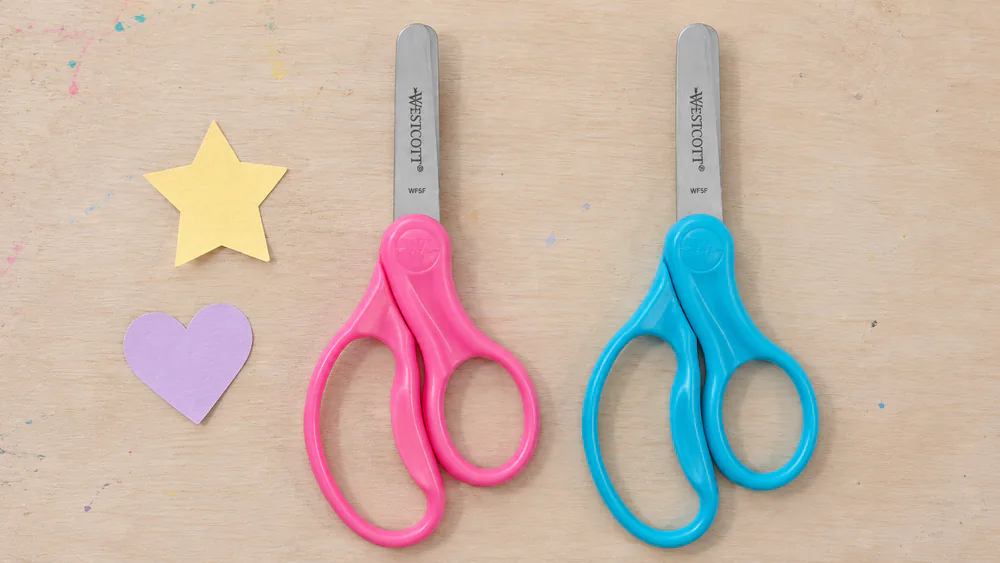
These blunt-tip scissors are 5 inches, with symmetrical handles that work for left or right hand, stainless steel blades and a 5-year limited warranty. Blunt scissors suit ages 4 and up. They fit small hands and work well for left-handed kids learning to cut. The plastic handles can snap, and the colors may not match the picture.
Also worth having: purple glue sticks and washi tape
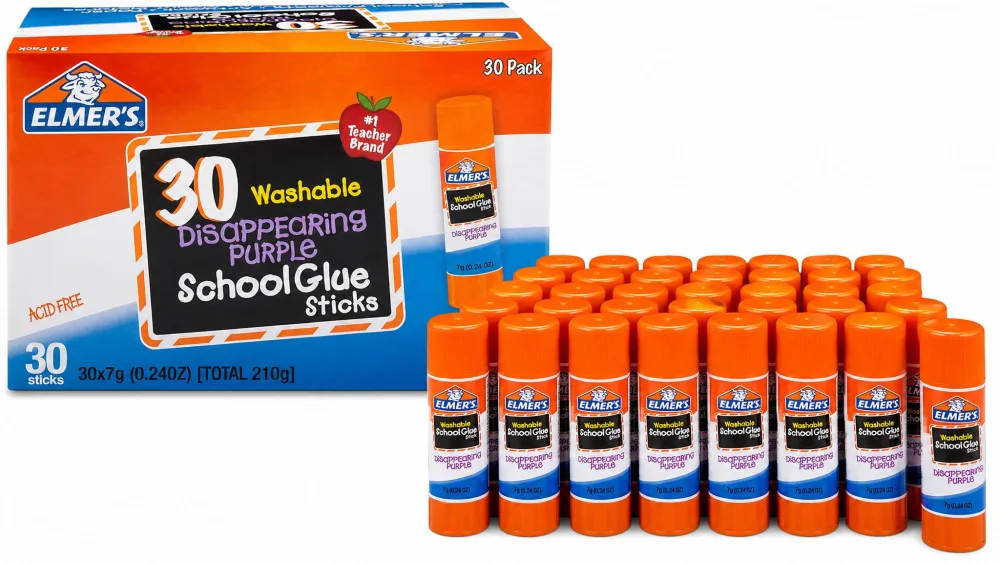
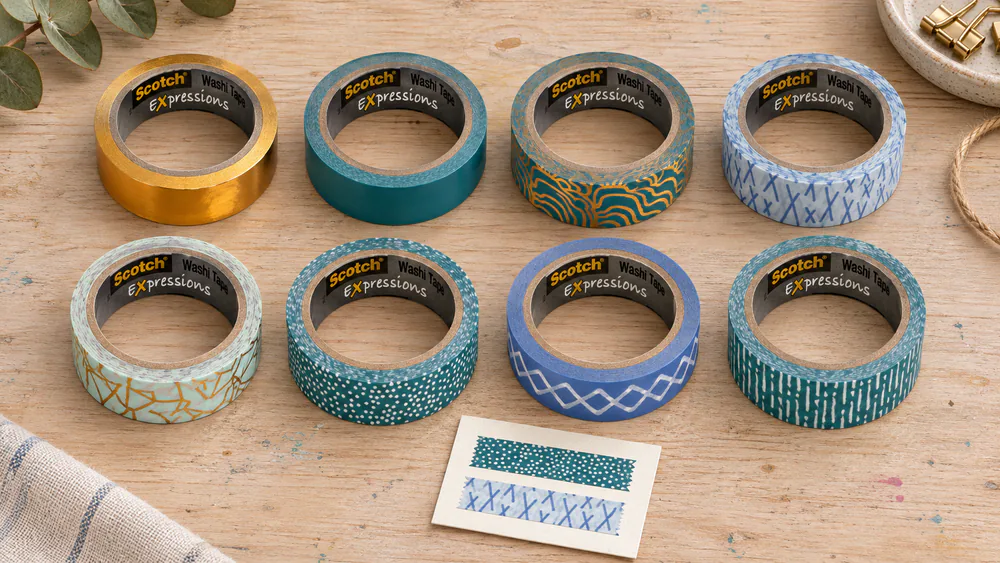
Purple glue lets a child see where the glue went, then dries clear. Elmer's 30-count pack is washable, acid-free and non-toxic, and an occasional stick that fails to stick is easy to live with when there is a spare. Washi tape comes in cute patterns and tears by hand, so a child does not need scissors to use it. The 8-roll set is repositionable at first, though each roll holds little tape and the grip on some surfaces is weak.
Best Art Kits and Sets
Kits make good gifts and offer an easy starting point when you do not want to shop for each supply separately. They work best when the child already likes a category.
Crayola Inspiration Art Case (140 Pieces)
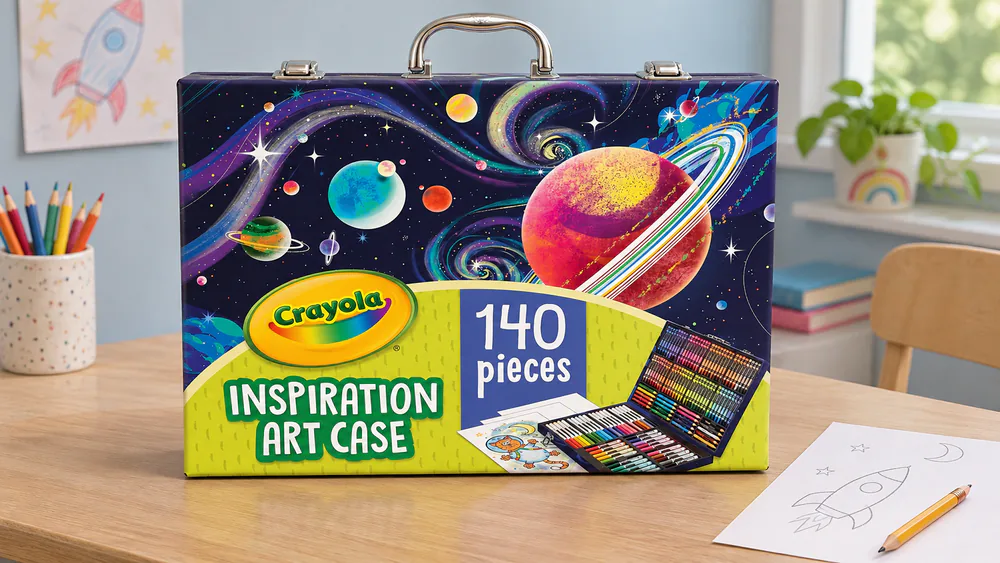
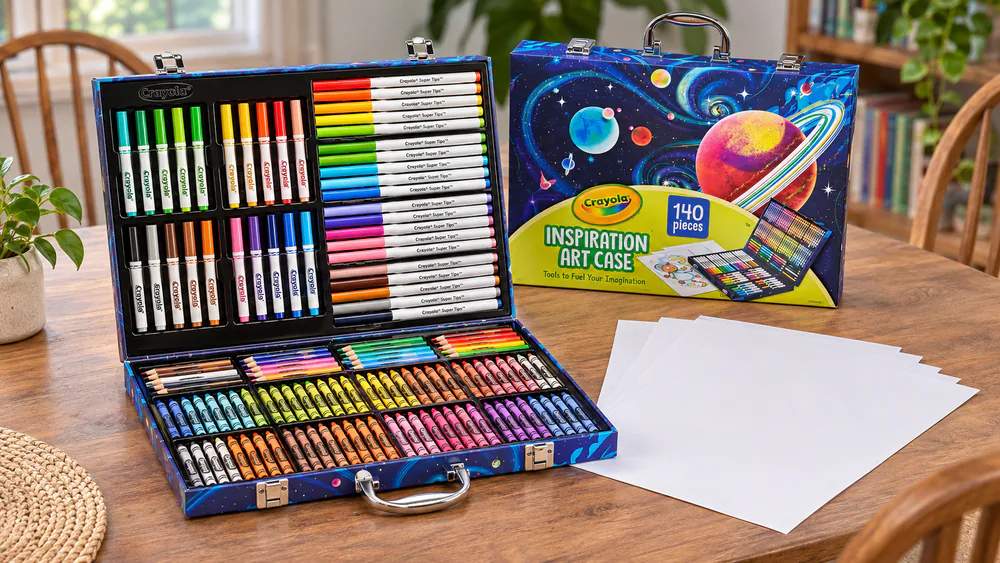
This space-themed case holds 140 pieces: 64 crayons, 40 washable markers, 20 short colored pencils and 15 drawing sheets. Latching compartments keep everything organized, and the case is easy to carry to the table or on a trip. A large kit like this feels special to kids and gets used long after the gift is opened. The listing does not confirm an age range for the case, so we recommend it for school-age kids.
Melissa & Doug Wooden Stamp Set: Dinosaurs
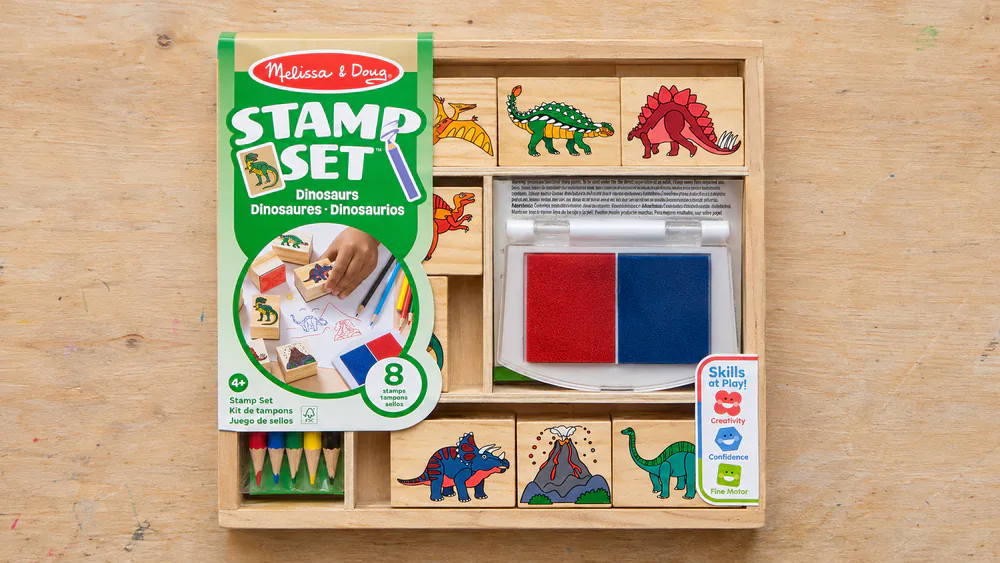
This set is recommended for ages 4 to 8 and includes 8 stamps, 5 colored pencils, a 2-color ink pad and a wooden storage box with washable ink. The wooden stamps are a hit with dinosaur fans and give a fine motor workout. The ink pad can dry out, and the stamped color looks faint on paper, so press firmly.
goldentime Kids Paint by Numbers Kit (3-Pack)
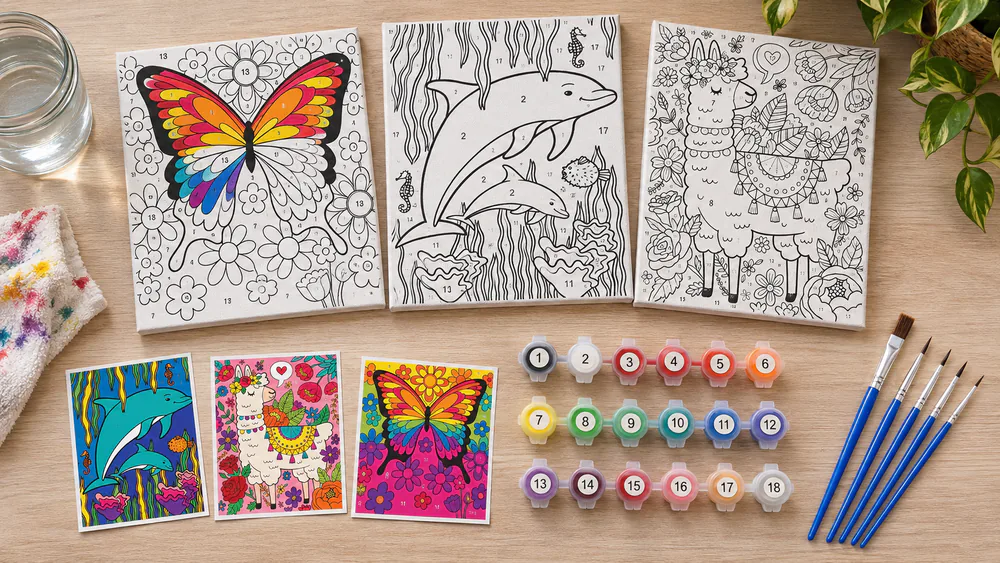
Paint by number is a calm project for a school-age kid who likes to finish things. This kit has three pre-drawn 8x10 inch canvases (a butterfly, dolphin and alpaca), 18 paints, 5 brushes and 3 instruction cards. The canvases are easy to follow for beginners, with bright colors. This is a smaller, lesser-known brand. A color can run low and some kits come short a paint, so check that all paints are included when the box arrives.
Best Extras: Easels, Aprons and Storage
Last come the extras, which do not make art, but they make art easier to say yes to. A smock and a place for everything shorten the cleanup that stops many parents from setting out supplies at all.
Melissa & Doug Deluxe Standing Art Easel
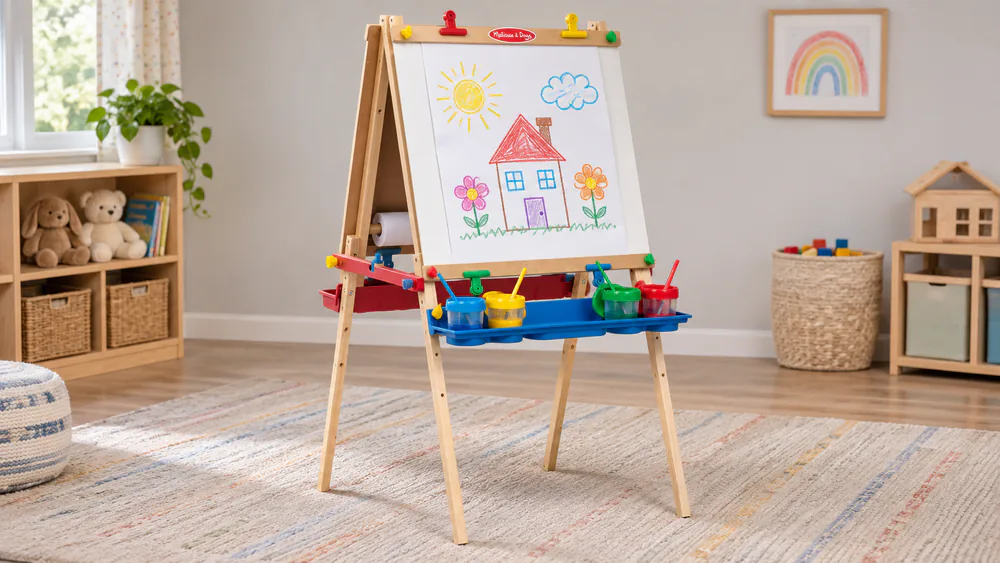
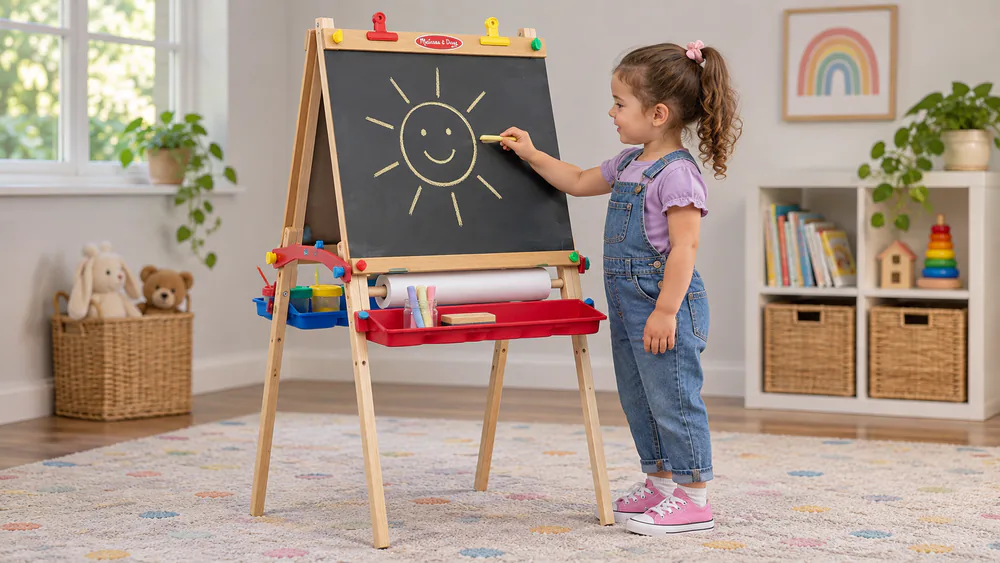
This double-sided wooden easel has a dry-erase board, a chalkboard, a roll-out paper holder, clip grips and storage trays. A standing easel gets used for long stretches by toddlers and preschoolers, and the trays and chalkboard side hold up. Assembly is worth setting aside time for, because the screw holes do not always line up.
Also worth having: a smock and a caddy
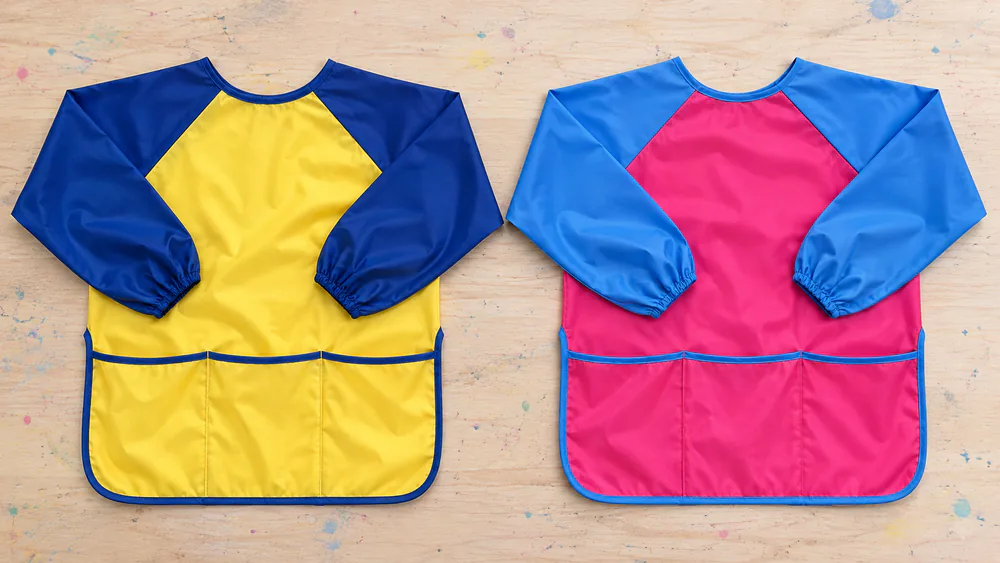
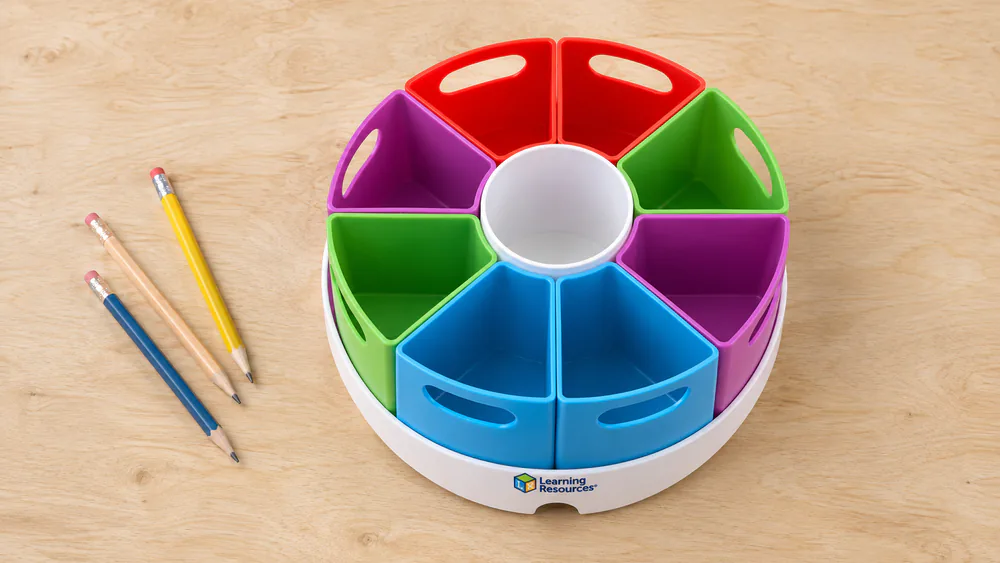
A waterproof smock keeps paint off clothes; the Bassion two-pack is for toddlers through kindergarteners, though the thin material can let paint bleed through and it runs small, so size up. A nine-compartment caddy keeps supplies together and lets sections lift out for sharing, though it does not spin like a lazy Susan.
Best Art Supplies by Age
Everything above fits somewhere on this ladder, so use it to decide what to buy first.
Toddlers (Ages 1-3)
Toddlers do best with supplies that are forgiving. Play-Doh suits ages 2 and up, and Kwik Stix paint sticks, Model Magic and washable markers all work with a grown-up close by. Chunky, hard-to-break tools suit a toddler who is not ready for standard crayons.
Preschoolers (Ages 4-5)
Where toddlers get paint sticks and dough, preschoolers can move to liquid washable paint and watercolors, which are for ages 3 and up. Blunt scissors suit ages 4 and up, and the stamp set is for ages 4 to 8, so those need a little more control than the toddler list asks for.
School-Age Kids (Ages 6+)
Compared with the toddler list, this is where detail work starts: colored pencils, a sketch pad, paint by number, the art case and DAS clay all fit here, and Model Magic turns into keychains and magnets.
How to Choose Art Supplies for Kids
A little planning saves money and mess. Research on art and early childhood development supports giving young children open-ended materials, and Michigan State University Extension on why art matters explains why the process matters more than the finished piece.
Check for non-toxic and washable labels
The ACMI AP (Approved Product) Seal means a toxicologist reviewed the product and found it non-toxic, with labeling that follows ASTM D-4236 and the federal LHAMA law. You can read how ACMI explains its seals before you shop. A product can say it conforms to ASTM D 4236 without carrying the AP Seal, so look for the seal on supplies for young children. Washable means it comes out of skin and washable clothing, which is not the same as non-toxic.
Watch outCheck each product's age label before giving it to a toddler. Small parts, small stamps and loose pencil ends are choking risks for very young children, so keep them within arm's reach.
Match supplies to age and motor skills
Fat crayons and paint sticks suit small hands still building grip. Scissors, pencils and stamps ask for more control.
Start small, then add variety
Begin with markers, paper and one kind of paint. A caddy keeps it all in one spot, and a roll of paper saves your table. For paper that holds up to paint, our best watercolor paper for kids guide helps.
Frequently Asked Questions
Can older kids share supplies with toddlers?
Mostly yes, with a split. Washable markers, paint sticks, Play-Doh and Model Magic work for both. Keep colored pencils, stamps and small parts out of a toddler's reach, since loose pencil ends and small stamps are choking risks for very young children.
What age can kids start using scissors?
Blunt scissors suit ages 4 and up, and the Westcott pair has symmetrical handles that work for left or right hand. Check that the blades are blunt-tipped and that the handles fit your child's grip.
Which label should I check first for a child who still mouths things?
Look for the ACMI AP Seal, which means a toxicologist reviewed the product and found it non-toxic. A washable label alone only tells you the product comes out of skin and washable clothing, so it is the second check, not the first.
Is a stamp set too advanced for a preschooler?
The Melissa & Doug dinosaur set is recommended for ages 4 to 8. Small stamps and colored pencil ends are choking risks for very young children, so keep it for the older end of your group.
Do crayons need to be washable to be worth buying?
Not necessarily. The Twistables crayons are everyday paper crayons, and we keep the wall-proof job for washable markers instead. Match the tool to the surface you expect your child to color on.